
Drizzle: Characteristics, Formation, and Impacts
Drizzle is a form of light rain composed of very small liquid droplets (about 0.5 mm or less). This article explains its formation, how it differs from rain and mist, observation, and typical effects.
Overview
Drizzle is a meteorological term for light, continuous precipitation made up of very small water droplets. It is commonly described as a form of light rain, distinguished by the small size of individual drops which are typically about 0.5 mm in diameter or smaller. Drizzle tends to fall from low, layered clouds and often persists for long periods, producing damp conditions rather than heavy runoff.
Image gallery
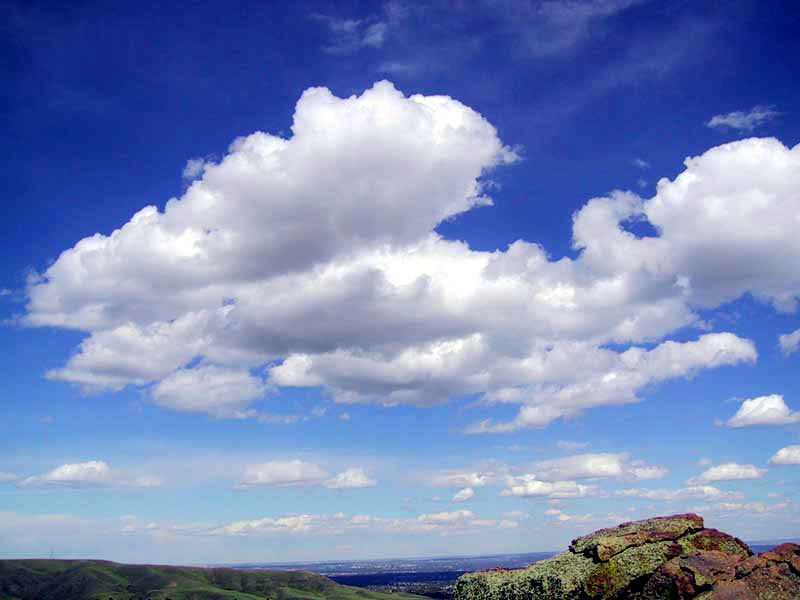
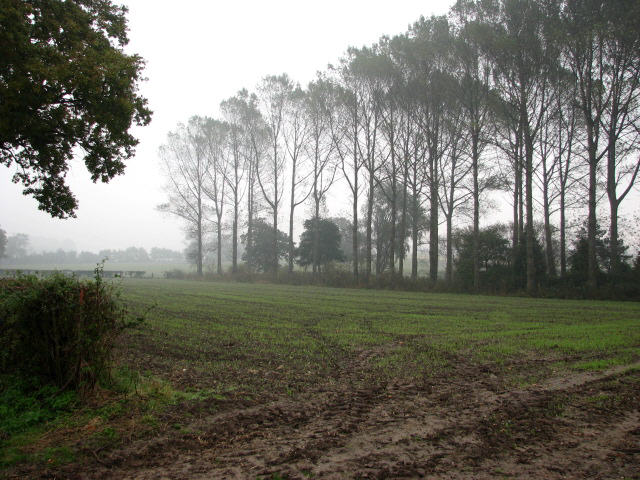
4 Images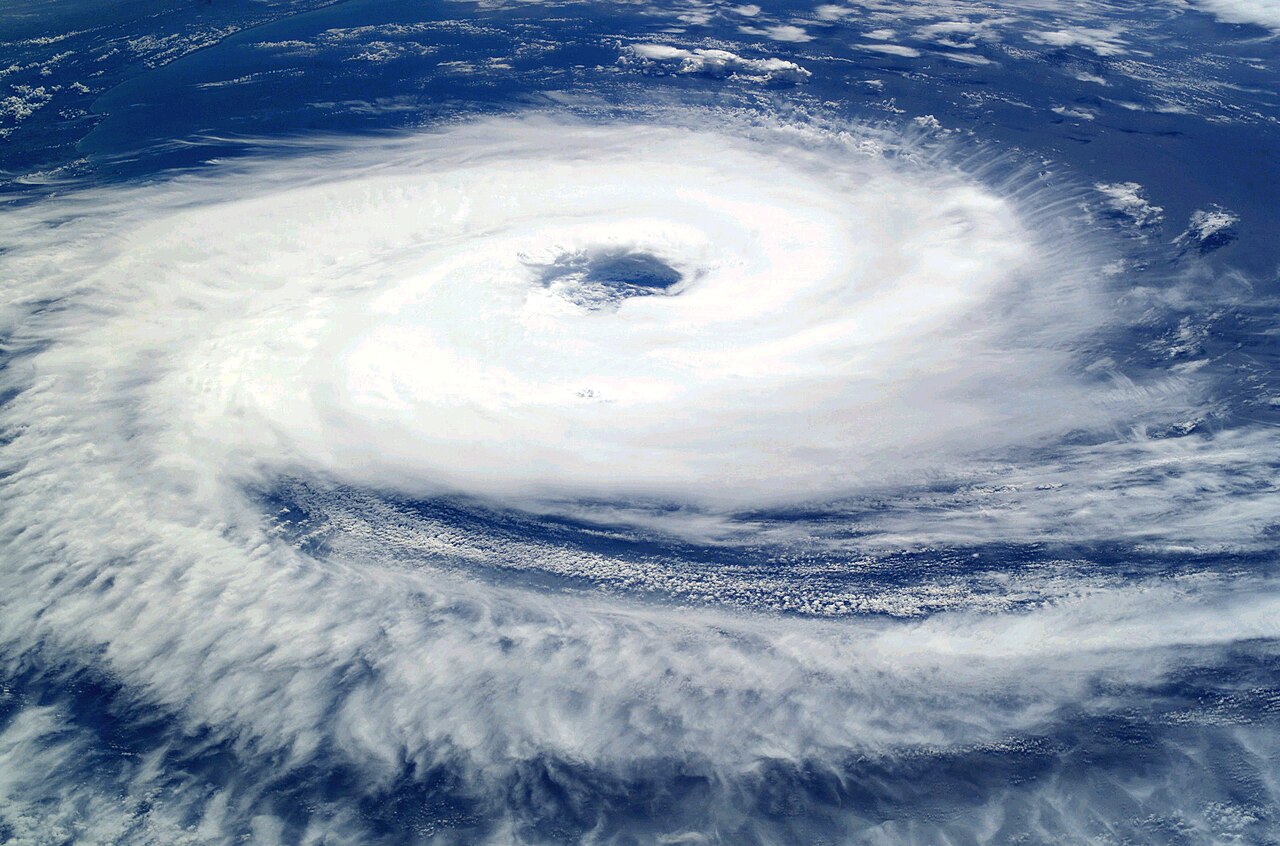

Formation
Drizzle usually originates in shallow, stratiform clouds such as stratus or stratocumulus. In these clouds, tiny cloud droplets grow by collision and coalescence until they become large enough to fall slowly. Because the droplets remain small, they evaporate less quickly than mist but do not produce the stronger impacts associated with larger raindrops from convective clouds.
Characteristics
Key features that set drizzle apart include small drop diameter, low terminal velocity, and a tendency to fall uniformly over a wide area. Observers often report a fine, steady wetting of surfaces and reduced visibility in prolonged events. Drizzle can be produced in warm or near-freezing layers; when droplets remain liquid below freezing they may produce freezing drizzle and significant surface icing.
Observation and measurement
Meteorologists monitor drizzle with standard rain gauges, optical sensors and disdrometers that measure drop-size distribution. Weather reports and forecasts classify precipitation by intensity and type; instruments and human observers both help distinguish drizzle from light rain, mist, or fog.
Impacts and examples
Although drizzle rarely causes flooding, it affects travel by reducing visibility, making surfaces slick, and — in cold conditions — creating hazardous ice. It is frequent in marine and coastal climates and under persistent low clouds, where it contributes to prolonged damp periods and can influence local ecosystems and visibility-sensitive activities such as aviation.
Notable distinctions
- Drizzle vs. rain: smaller drops and gentler accumulation.
- Drizzle vs. mist/fog: drizzle consists of falling droplets; mist and fog are suspended.
- Freezing drizzle: supercooled droplets that can produce dangerous glaze upon contact.
Related articles
Author
AlegsaOnline.com Drizzle: Characteristics, Formation, and Impacts Leandro Alegsa
URL: https://en.alegsaonline.com/art/28963