
Wallpaper — interior wall covering and digital backgrounds
Comprehensive overview of wallpaper: materials, types, history, installation, uses, and the alternate meaning for computer screens.
Overview
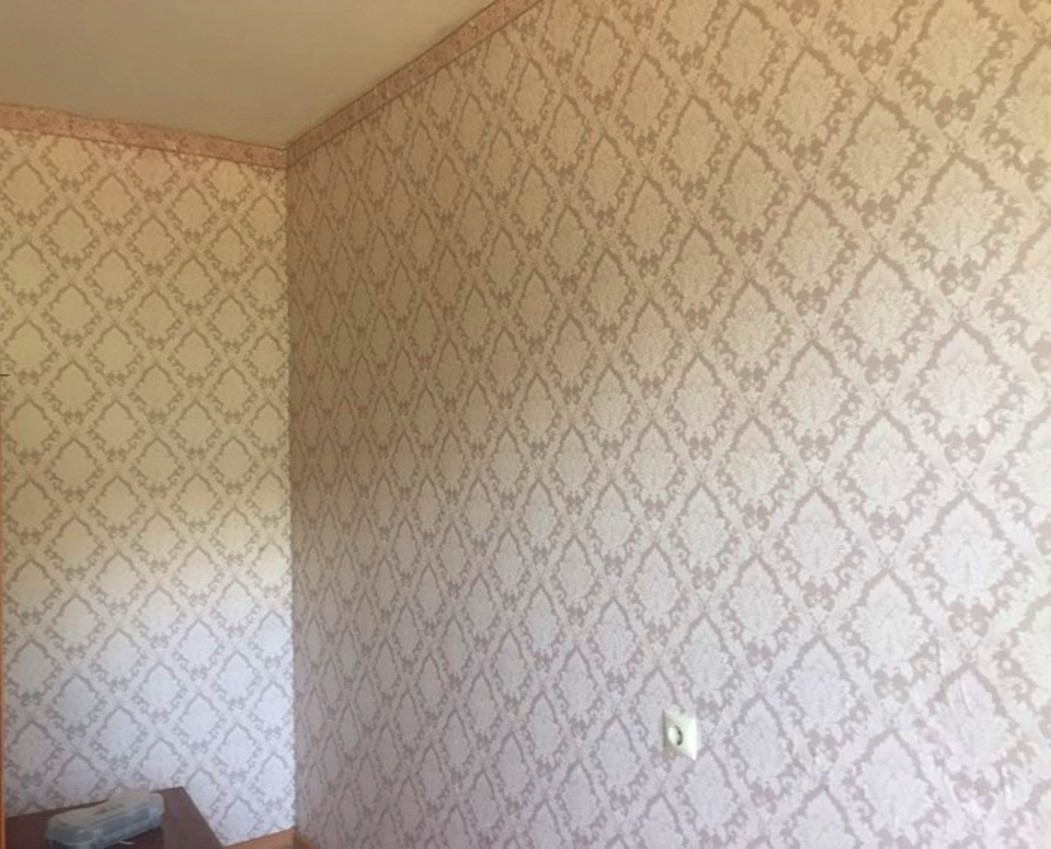
Wallpaper is a decorative material applied to interior walls to alter appearance, texture, or both. Traditionally produced as rolls of paper or fabric-backed vinyl, wallpaper serves as an alternative or complement to paint. Sheets or strips are adhered to the substrate with paste or self-adhesive backing and are available plain (for painting) or printed with patterns, textures, or photographic imagery.
Image gallery
9 Images



Materials and construction
Modern wallpapers are made from a variety of materials. Paper-backed papers remain common, while nonwoven blends, vinyl-coated papers and woven textiles offer enhanced durability and washable surfaces. Some products are printed using large-format printers and assembled in panels; others are produced by traditional printing presses. Wallpapers may include an embossed surface, metallic inks, or pre-pasted backs that activate with water.
History and development
The use of wall coverings dates back centuries, evolving from hand-painted murals and fabric hangings to mass-produced printed papers. Industrial printing technologies expanded pattern availability and lowered cost, making wallpaper a widespread decorative choice. Design trends have cycled between ornate repeats, simple geometrics, and photographic murals over time.
Types, patterns and uses
Common categories include:
- Printed repeat – traditional wallpaper with a repeating motif and specified pattern repeat.
- Textured and embossed – adds tactile depth and hides minor wall imperfections.
- Vinyl and washable – suited for kitchens and bathrooms.
- Photo murals – large images produced in panels to cover a whole wall, often printed by wide-format devices.
Wallpaper is used to create focal walls, define rooms, add insulation or sound dampening, and contribute to a room’s character in residential and commercial interiors.
Installation, maintenance and removal
Installation varies by product: pre-pasted papers require moisture to activate adhesive, while unpasted rolls use a separate paste. Careful alignment of pattern repeats and seam trimming are important for professional results. Removal can range from simple stripping of peelable types to the need for steaming or chemical removers for older, strongly adhered papers. Proper surface preparation extends the life of wallpaper and eases later removal.
Other meanings and notable facts
The term "wallpaper" is also commonly used for the image or background on a computer screen or mobile device. For information about digital backgrounds and how they differ from physical wallcoverings, see computer wallpaper. For basic information about paper as a material used in some wallcoverings, see paper. Photographic wallpapers are typically printed in multiple panels whose count depends on the image size, using either offset or large-format digital printing methods.
Questions and answers
Q: What is wallpaper?
A: Wallpaper is a kind of paper that is used to cover walls inside of houses and buildings instead of paint.
Q: How is wallpaper put onto a wall?
A: Wallpaper is put onto a wall using wallpaper paste.
Q: What options are available for the design of wallpaper?
A: Wallpapers can come either plain (so that it can be painted), or with pictures or patterns.
Q: What is a photo wallpaper?
A: A photo wallpaper is a wallpaper with an image applied to it.
Q: How is an image applied to a photo wallpaper?
A: An image is applied to a photo wallpaper using large-format printers (plotter) or offset printing.
Q: What is the purpose of wallpaper?
A: The purpose of wallpaper is to decorate the inside of buildings.
Q: Can the word "wallpaper" have another meaning?
A: Yes, the word "wallpaper" can also refer to a picture on a computer monitor.
Related articles
Author
AlegsaOnline.com Wallpaper — interior wall covering and digital backgrounds Leandro Alegsa
URL: https://en.alegsaonline.com/art/106309