
X Japan — Japanese rock band and visual kei pioneers
X Japan is a Japanese rock band formed by Yoshiki in 1982, known for theatrical heavy metal, emotional ballads, and a major role in the visual kei movement. Active 1982–1997 and reunited from 2007.
X Japan is a Japanese rock band formed in 1982 by drummer, pianist and composer Yoshiki. Combining heavy metal, symphonic arrangements and dramatic balladry, the group became one of Japan's best-known rock acts. Over the course of its career the band has sold millions of records and video releases, and it is widely cited as an important influence on later Japanese artists.
Image gallery
10 Images




Musical style and public image
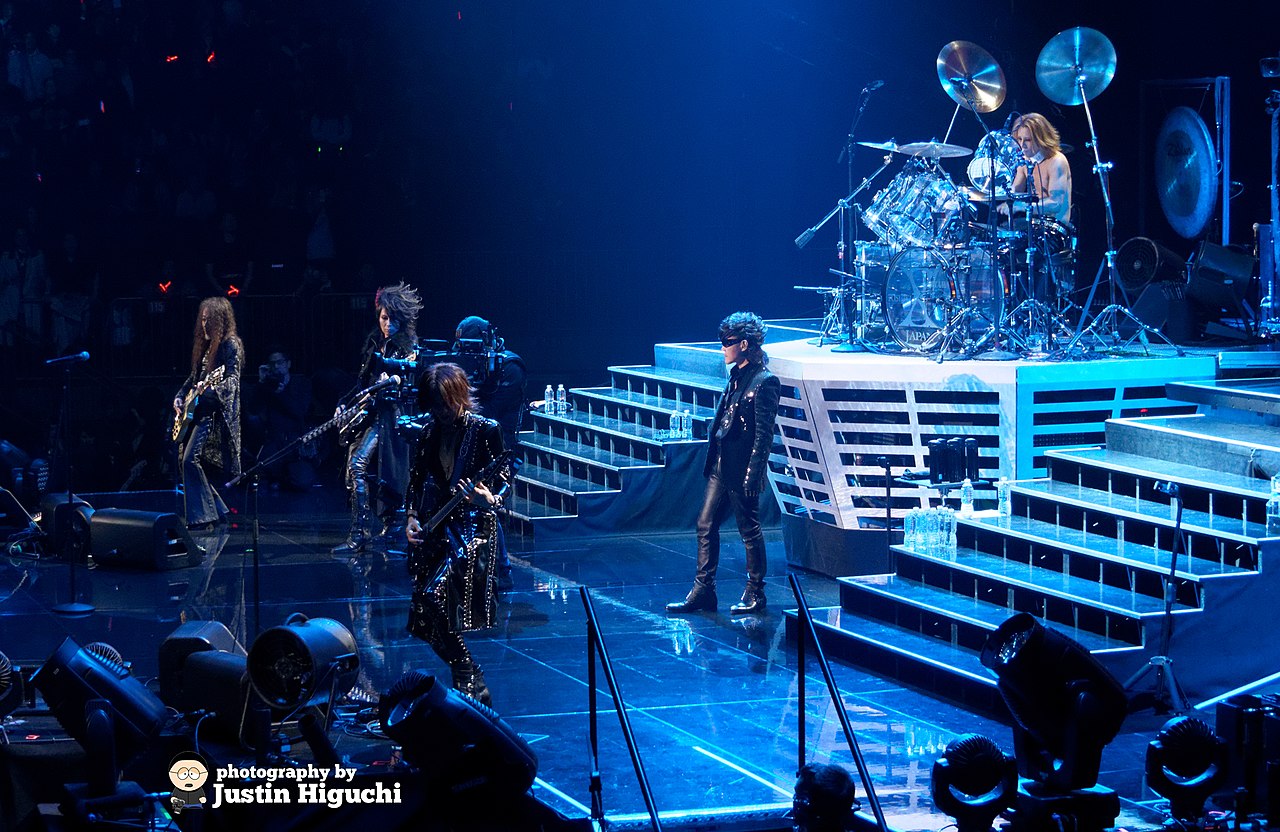
X Japan blended aggressive guitar-driven songs with orchestral textures and theatrical dynamics. Their repertoire ranges from fast, technical metal to long, emotive ballads. Performance style often emphasized elaborate costumes, hairstyles and stage presentation, elements that helped shape the broader visual kei movement in Japan. The band is led by Yoshiki's songwriting and production, and their live shows are noted for intensity and dramatic pacing.
History and development
The group rose to prominence in the late 1980s and early 1990s through a series of successful studio albums and singles. Internal changes and personal challenges led to a formal breakup in 1997, after which members pursued solo projects. The band reunited in 2007 and resumed performing internationally; in 2009 they launched a major tour with high-profile concerts in locations such as Hong Kong, drawing large audiences over multiple nights.
Members and key releases
- Core members: Yoshiki (drums, piano), Toshi (vocals), Pata (guitar), Heath (bass), hide (guitar, deceased).
- Notable albums: Blue Blood, Jealousy, Art of Life — records that showcase both metal ferocity and symphonic ambition.
Legacy and influence
X Japan is frequently credited with helping to popularize a dramatic, image-conscious strain of Japanese rock that inspired many later artists and bands. Their combination of visual presentation and genre-blending music broadened the scope of what Japanese rock could be on the international stage. Tribute concerts, reissues and continuing interest from fans attest to their enduring cultural impact.
For listeners exploring their work, expect contrasts between fast, technically demanding songs and sweeping, emotional compositions; their live shows often emphasize theatricality as much as musicianship. Further reading and resources can be found via general band pages and fan archives that document their recordings, concert history and ongoing activities. More on the band and individual members like Yoshiki are available through specialist music references and fan sites.
See also: historical context of Japanese rock and the development of visual kei, and contemporary international tours and releases that followed their 2007 reunion. Additional information and multimedia references may be found at band profiles and music databases. Genre overview, band resources, and archival concert pages are useful starting points.
Related articles
Author
AlegsaOnline.com X Japan — Japanese rock band and visual kei pioneers Leandro Alegsa
URL: https://en.alegsaonline.com/art/109408
Sources
- asiaarts.ucla.edu : "X Japan Best review"