
Gothic rock: origins, sound, aesthetic, and cultural influence
Gothic rock (goth) is a dark, atmospheric offshoot of post-punk from the late 1970s. This article outlines its origins, musical traits, lyrical themes, visual style, subculture, and lasting influence.
Gothic rock, often shortened to goth, is a distinctive style of rock music that emerged from the post-punk milieu in the late 1970s. Bands that shifted the mood of post-punk toward darker textures and theatrical presentation helped shape the genre’s early identity. Among the acts most commonly cited as formative are Siouxsie and the Banshees, Joy Division, Bauhaus and The Cure, whose experimentation with mood, production and image influenced subsequent scenes.
Image gallery
8 Images

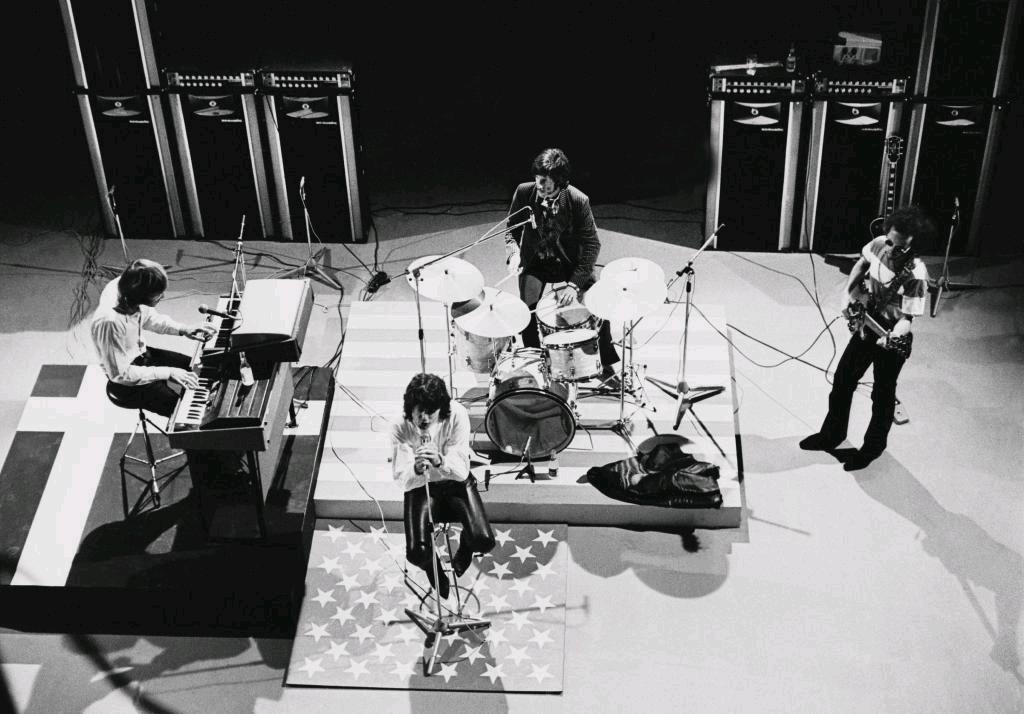


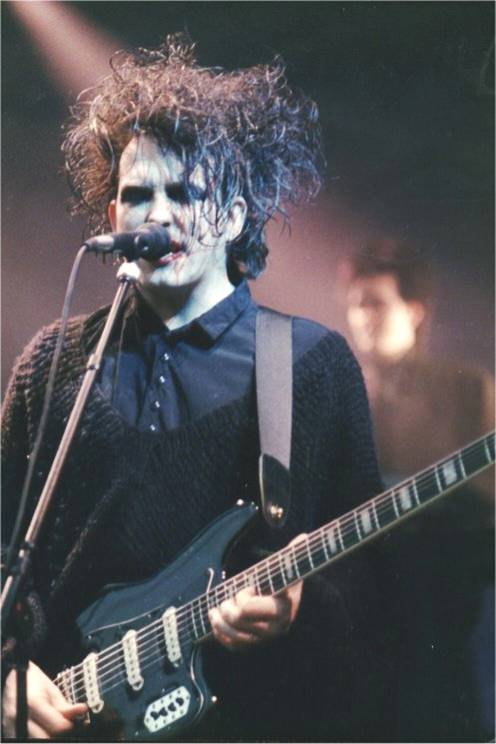
Origins and early development
Gothic rock developed in the United Kingdom as musicians and audiences moved away from punk’s immediacy toward a more introspective, atmospheric approach. By emphasizing shadowy timbres, dramatic vocal styles and a fascination with romantic and melancholic themes, early practitioners distinguished their sound from mainstream rock and from their post-punk peers. Small clubs, independent labels and fanzines fostered a network that allowed the style to spread across Europe and later to North America.
Musical characteristics
While varied in instrumentation and mood, gothic rock commonly features production and performance choices intended to create a spacious, ominous or elegiac atmosphere. Typical elements include:
- Prominent, melodic basslines that drive the songs.
- Guitar tones with chorus, delay or reverb producing chiming or looped textures.
- Emphatic drum patterns—sometimes sparse, sometimes tribal or machine-like.
- Baritone or theatrical vocal delivery, ranging from detached to anguished.
- Use of keyboards or synthesisers to add pads, strings and ambiance.
Themes, image and aesthetics
Lyrically and visually, gothic rock often draws on literature, romanticism and gothic motifs: solitude, mortality, lost love and nocturnal landscapes. Songs frequently use poetic or symbolic language and can convey both vulnerability and defiant drama. The associated fashion emphasises dark clothing, stylized makeup, and references to Victorian or medieval dress—an outward expression of the music’s preoccupations. Writers and critics have described many of the lyrics as romantic in tone, though the term is used broadly to indicate emotional intensity rather than a single influence.
Scene, variants and legacy
From the 1980s onward a distinct subculture formed around gothic rock, with dedicated clubs and regional scenes that sustained both local bands and an international exchange of ideas. Related musical strands—such as deathrock, darkwave and later gothic metal—borrowed elements of goth’s atmosphere, while industrial and electronic artists also intersected with its aesthetic. The genre’s influence persists: contemporary acts revive or reinterpret gothic tropes, and its visual language continues to inform fashion, film and alternative culture.
Although rooted in a specific historical moment, gothic rock remains a living style defined more by mood and orientation than by strict sonic rules. Its combination of musical restraint, expressive lyricism and striking imagery lets it occupy a unique place in the wider story of alternative music.
Questions and answers
Q: What is Gothic rock?
A: Gothic rock is a style of rock music that originated from post-punk in the late 1970s.
Q: Which bands were the first to shift towards darker music with gothic overtones?
A: The first post-punk bands to shift towards darker music with gothic overtones include Siouxsie and the Banshees, Joy Division, Bauhaus and the Cure.
Q: What sets Gothic rock apart from post-punk?
A: Gothic rock is defined as different from post-punk due to its darker music and romantic lyrics.
Q: When did Gothic rock originate?
A: Gothic rock originated from post-punk in the late 1970s.
Q: Which bands are known for playing Gothic rock?
A: Bands such as Siouxsie and the Banshees, Joy Division, Bauhaus, and the Cure are known for playing Gothic rock.
Q: What are some of the characteristics of Gothic rock?
A: Some characteristics of Gothic rock include darker music and romantic lyrics.
Q: How did Gothic rock evolve from post-punk?
A: Gothic rock evolved from post-punk by incorporating darker themes and soundscapes, as well as more ornate and theatrical musical elements.
Related articles
Author
AlegsaOnline.com Gothic rock: origins, sound, aesthetic, and cultural influence Leandro Alegsa
URL: https://en.alegsaonline.com/art/39876
Sources
- allmusic.com : "Dream Pop"
- allmusic.com : "Darkwave"
- allmusic.com : "Goth metal"
- pitchfork.com : "Various Artists: A Life Less Lived: The Gothic Box"
- nme.com : "NME Originals: Goth"