
Video game music: history, styles, and role in interactive media
An overview of video game music, covering its technical origins, adaptive techniques, stylistic range, commercial distribution, performance tradition, and cultural recognition.
Overview
Video game music comprises the musical material composed or selected to accompany interactive electronic games. It includes short motifs, ambient beds, character themes and dramatic cues that support gameplay and storytelling. Soundtracks range from simple synthesized tones to full orchestral recordings and licensed pop songs, and many are released separately as commercial albums; see soundtrack releases and discussions of background music.
Image gallery
2 Images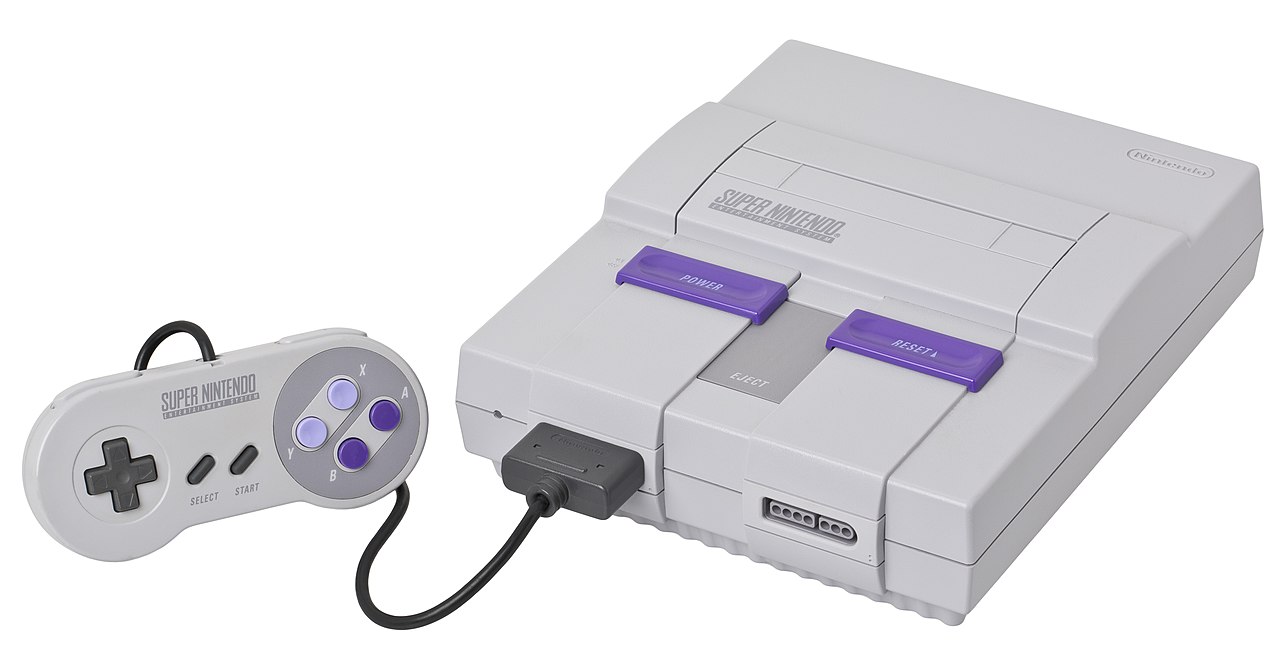
Historical development
The art and technology of game music developed alongside gaming hardware. Early systems and arcade machines had limited sound channels and simple waveform generators that produced the characteristic chiptune sound of the 8‑bit and 16‑bit eras. As storage and processing capacity expanded—first through dedicated audio chips, then CD‑ROMs and streaming audio—composers gained access to sampled instruments and longer, recorded pieces. Modern titles often commission recorded orchestral sessions or arrange electronic scores with high production values, inviting comparisons with film and television scoring and with orchestral practice described in resources on orchestral approaches.
Technical forms and implementation
Technically, game audio has used a variety of approaches: synthesized waveforms, tracker modules, MIDI-like sequencing, sampled audio and streamed recorded tracks. Middleware and game audio engines mediate playback and allow composers to provide modular stems, cues and rules that the game follows during play; for introductions to these tools and their role in video game production see available overviews. Simple synthesizers remain part of many workflows and are still used stylistically in contemporary scores (synthesizer techniques).
Interactive and adaptive music
Unlike linear media, games enable adaptive or interactive soundtracks that respond to player actions and game state. Common techniques include layering (adding or removing instrumental parts), branching (switching between sections), and parameterized changes (altering tempo or intensity). Well‑designed adaptive systems help cue danger, reward, or narrative shifts and improve immersion and feedback during gameplay. Design patterns and middleware help implement these behaviors in a consistent way.
Distribution, performance and commerce
Beyond in‑game use, music from games is distributed digitally and physically, sometimes as original score albums or compilations. Tracks are licensed for trailers, promotions and cross‑media uses. Increasingly, game music is arranged and presented in live contexts: composers and orchestras perform suites and full scores in dedicated concerts and touring shows, and many pieces are adapted for chamber ensembles and solo recitals; see reports of pieces performed in public programs.
Recognition and cultural impact
As the medium matured, composers and scores began receiving broader recognition. Industry and mainstream awards highlight outstanding work, and dedicated prizes celebrate achievement in composition and sound design. Examples of awarding bodies and listings of honors include industry catalogs of composer awards and mainstream music award coverage such as the Grammy discussions where game music occasionally appears. Chiptune, retro styles and fan arrangements sustain active communities, while academic research examines music's psychological role in interactivity and narrative.
Styles, functions and common techniques
- Styles: chiptune, electronic, orchestral, ambient, rock and licensed pop.
- Functions: leitmotif and theme, atmospheric ambience, player feedback, diegetic in‑world music.
- Techniques: sequencing, sampled playback, audio streaming, middleware integration, adaptive layering and branching.
Composition and production considerations
Composers working in games balance musical ideas with technical constraints and interactivity requirements. Themes often need to loop well, transition smoothly between states, and be built in separate stems for runtime mixing. Collaboration with audio programmers and designers is common, and testing within the game context is a core part of the production process to ensure cues function as intended.
Trends and future directions
Current trends include hybrid scores that blend live orchestras with electronic elements, increased use of procedural and generative music systems, and experimental interfaces that let player choices shape longer‑form composition. As tools and hardware continue to evolve, game music remains a dynamic field bridging composition, technology and interactive design.
Related articles
Author
AlegsaOnline.com Video game music: history, styles, and role in interactive media Leandro Alegsa
URL: https://en.alegsaonline.com/art/105036
Sources
- ffdistantworlds.com : "Distant World: International Final Fantasy Concert Series"