
Soundtrack: definition, components, history and uses
An overview of soundtracks: recorded and synchronized audio for film, TV, radio, games and other media, their parts, history, commercial releases and key distinctions such as diegetic vs non‑diegetic sound.
A soundtrack refers broadly to the recorded audio that accompanies visual or narrative media. In everyday use it most often means the music and sounds synchronized with a motion picture, but the term also applies to audio tied to television, radio, video games and other formats. The soundtrack concept covers both creative content — scores, songs, dialogue and effects — and technical elements such as recorded tracks and printed sound edges on film.
Image gallery
2 Images
Key components and characteristics
- Musical score: orchestral or electronic compositions created to support mood and narrative; composers write cues timed to picture.
- Source music and songs: preexisting songs or numbers written for the project; these may appear on a commercially released soundtrack album.
- Dialogue and voice: spoken lines recorded on set or in studio; often cleaned up in postproduction.
- Sound effects and ambience: designed or recorded noises that create environment and realism.
- Synchronization: the process of matching audio events to images — historically a mechanical alignment of tracks, now largely digital (synchronization).
Soundtracks may include recorded music written for the media, and they can be presented as a standalone product when sold commercially (commercial release). Beyond film, soundtracks appear with books as companion audio, with television series, with radio plays and within video games.
History and development
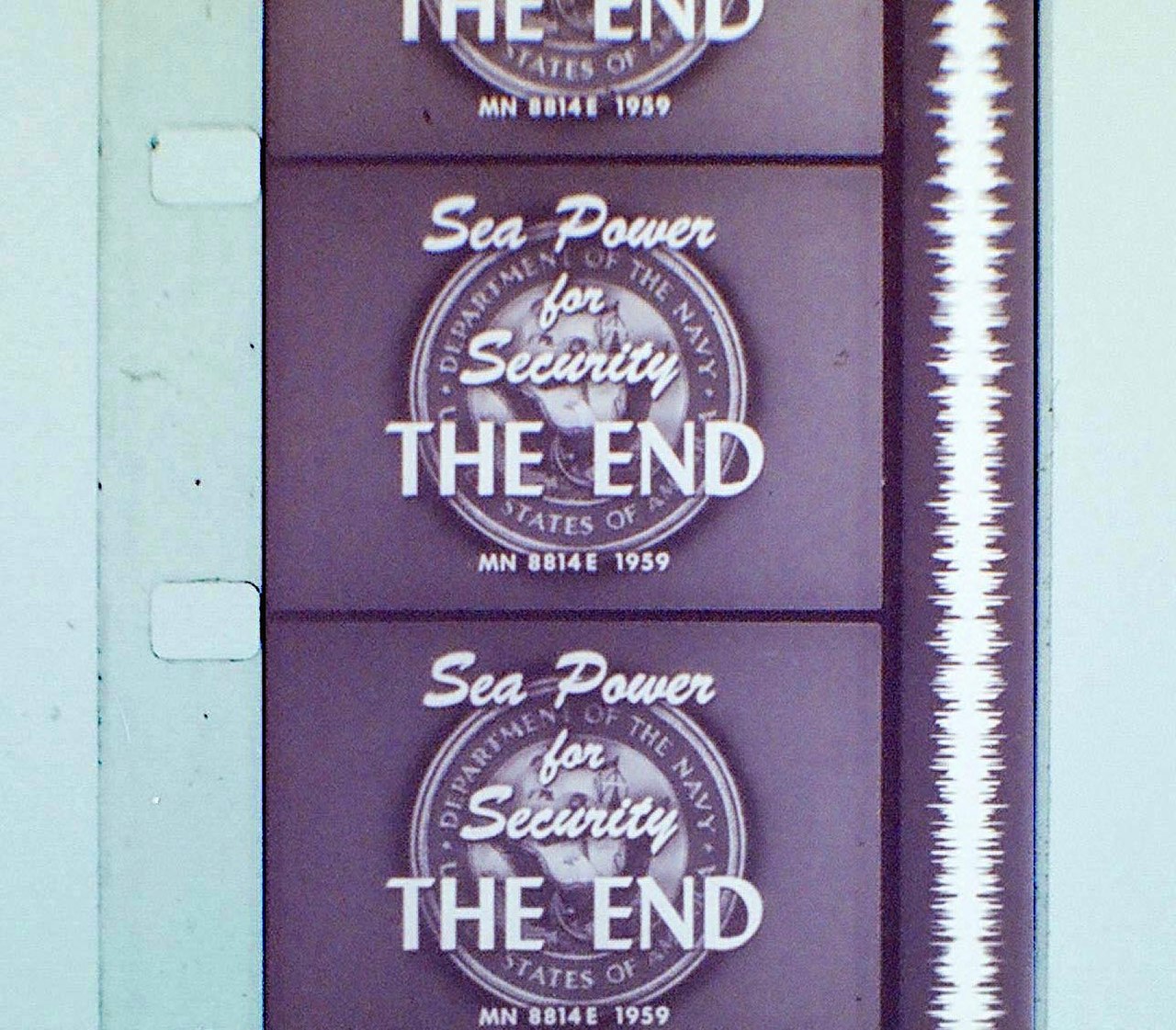
The meaning of "soundtrack" evolved as technology changed. Early motion pictures used separate discs or optical tracks printed on the filmstrip; the term also names the area of photographic film that carries sound. With magnetic tape and then digital audio workstations, composers and sound designers gained new flexibility. The rise of home audio and streaming expanded the marketplace for soundtrack albums and related products.
Uses, importance and distinctions
Soundtracks shape audience emotion, clarify story beats and can become cultural touchstones independent of their source. Important distinctions include diegetic sound (originating within the story world) versus non‑diegetic sound (external commentary such as underscore). Producers may release multiple soundtrack formats: score-only, song compilations or expanded editions with outtakes and demos.
For creators and listeners, the soundtrack is both a technical delivery system and an artistic element. Resources and examples for further study and licensing practices are available through industry guides and music publishers; some introductory references and catalogs can be found via general media portals and distributor listings (print/ebook tie-ins, music catalogs, TV archives, radio collections, game sound libraries, commercial outlets).
Related articles
Author
AlegsaOnline.com Soundtrack: definition, components, history and uses Leandro Alegsa
URL: https://en.alegsaonline.com/art/92073
Sources
- merriam-webster.com : "sound track - definition of sound track by Merriam-Webster.com"
- commons.wikimedia.org : Soundtrack
- simple.wiktionary.org : soundtrack