
Vielle: the bowed string instrument of medieval Europe
The vielle is a medieval European bowed string instrument, ancestor of later viols and violins. This article covers its form, history, musical role, and distinctions from related instruments.
Overview
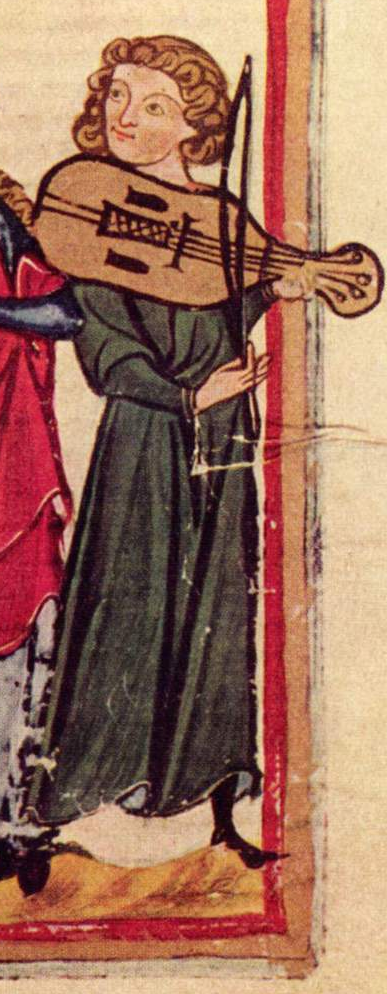
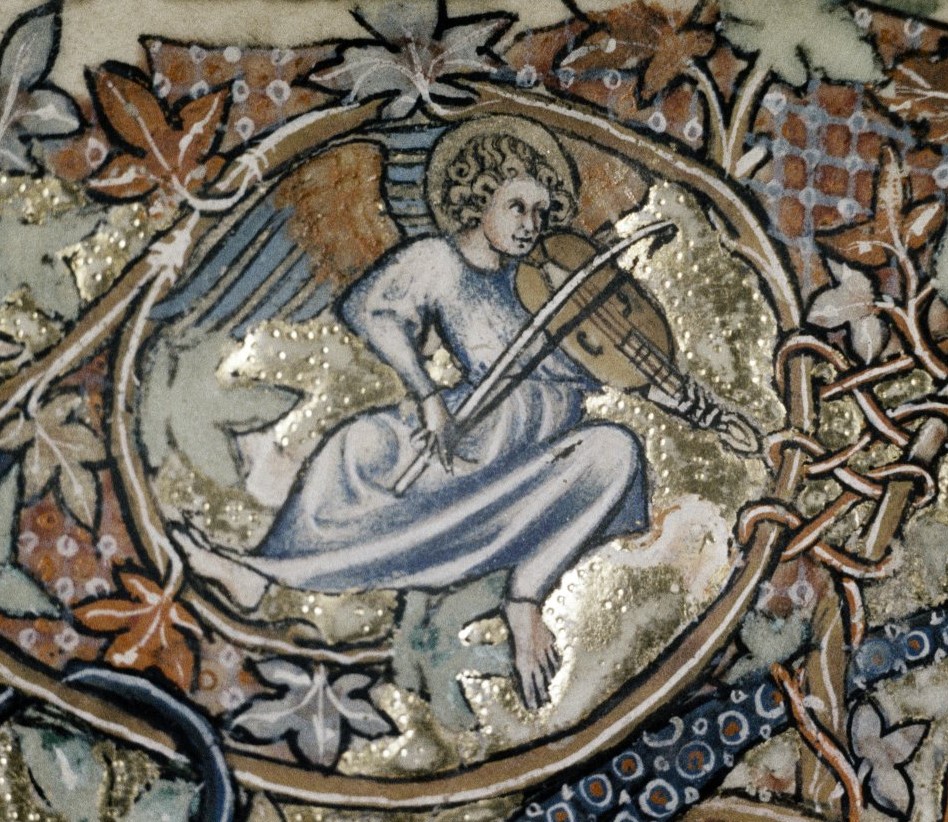
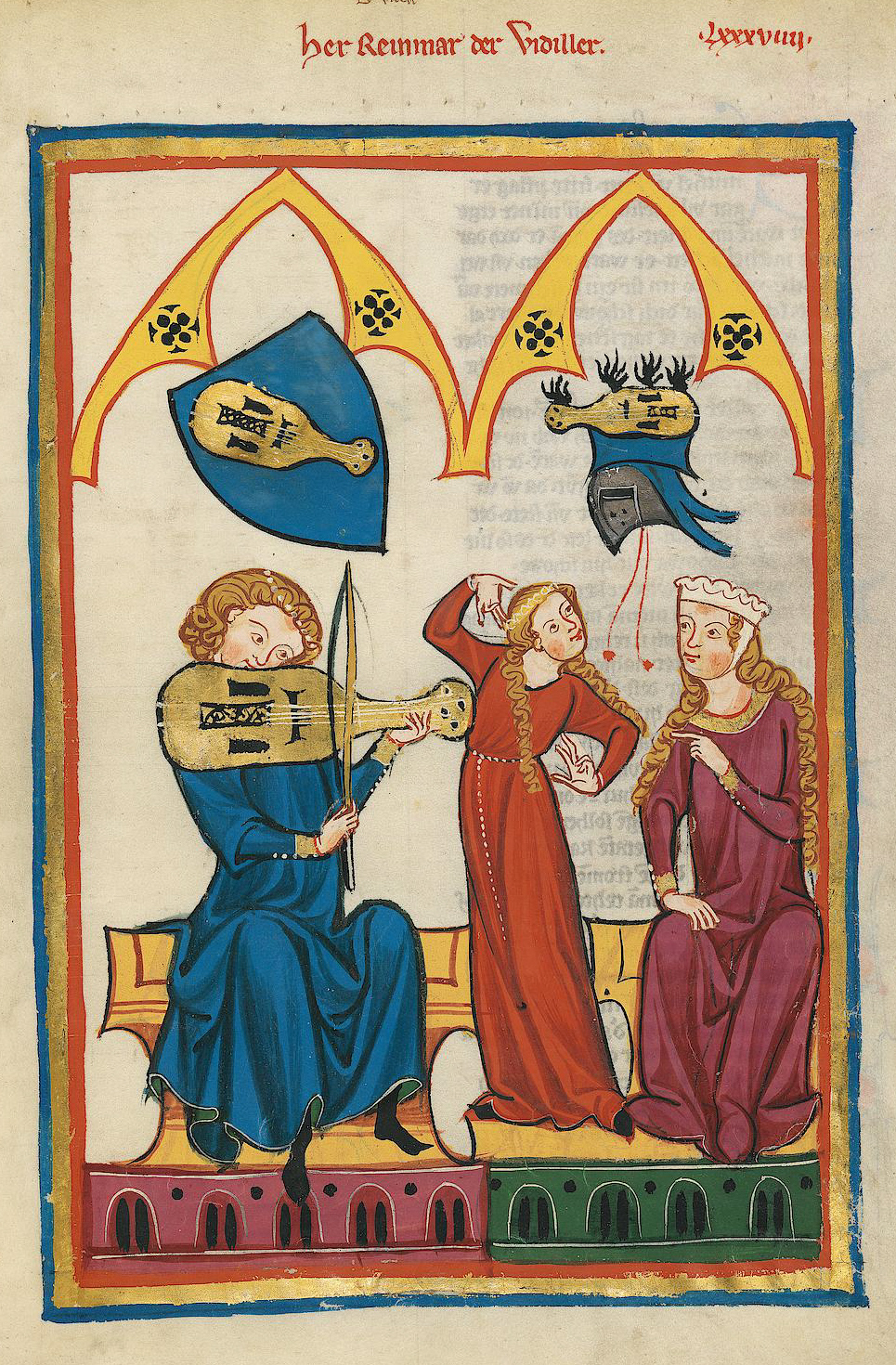
The vielle was a common bowed string instrument in medieval Europe, especially between the 12th and 15th centuries. Played with a bow, it served in both secular and sacred settings, accompanying songs, dances and courtly performances. Known by several names — including fidel and viuola — the instrument appears frequently in manuscript illustrations and literary sources from the period.
Image gallery
10 Images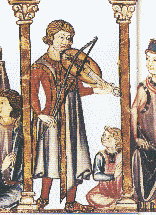




Construction and characteristics
Vielle designs varied widely by region and era, but several features recur. The body was generally larger and deeper than a modern violin, often with a flat or gently arched back and a waisted outline. The number of strings changed from instrument to instrument, commonly ranging from three to five, and tunings were adapted to the repertoire and to provide drones or melodic courses. Players held the vielle against the chest or on the shoulder and drew a bow across the strings to produce sustained notes.
Parts and playing
- Body: shallow to moderately deep resonating box.
- Neck and pegbox: fixed neck with friction pegs for tuning.
- Strings: multiple gut strings arranged for melody and sometimes drones.
- Bow: typically held underhand or overhand depending on local practice.
Origins and influences
Scholars link the vielle’s development to bowed instruments circulating around the Mediterranean. It probably inherited features from the Byzantine lira and shows affinities with Arab instruments such as the rebab. These exchanges of instrument design and technique accompanied cultural contact via trade, pilgrimage and conquest, leading to diverse regional types of vielle across Europe.
Role, repertoire and legacy
Musically, the vielle was prized for its ability to sustain tones and support vocal music. Troubadours, jongleurs and church musicians used it to accompany narrative songs and liturgical pieces. As musical tastes and instrument-making evolved, the vielle influenced the later family of viols and ultimately contributed to the development of the violin. Its many depictions in medieval art make the vielle an important source for understanding medieval performance practice today.
Distinctions and notable facts
Unlike standardized modern orchestral instruments, the vielle was highly variable: shapes, string counts and playing positions reflect local traditions rather than a single canonical design. Surviving physical examples are rare, so much knowledge comes from iconography and written descriptions. Researchers and early-music performers continue to reconstruct vielles to explore their sound and technique.
Further reading and resources: see general surveys of medieval instruments and instrument-making traditions in Europe and the Mediterranean (period studies), and modern reconstructions that demonstrate the vielle’s range and timbral possibilities.
Related articles
Author
AlegsaOnline.com Vielle: the bowed string instrument of medieval Europe Leandro Alegsa
URL: https://en.alegsaonline.com/art/105053
Sources
- britannica.com : “fiddle,”