
Viking metal: a heavy metal subgenre inspired by Norse history and myth
Viking metal is a heavy metal subgenre that draws on Norse mythology, Viking history and epic atmospheres. It blends metal styles with folk elements and lyrical themes about the Viking Age and Norse lore.
Viking metal is a subgenre of heavy metal characterized by lyrical and visual themes drawn from Norse mythology, Viking history and Scandinavian folklore. It emphasizes an epic, atmospheric sound that often departs from straightforward speed or aggression in favor of slower tempos, chant-like vocals and arrangements that suggest ritual, saga and landscape. The term is used to describe both musical style and thematic focus rather than a single strict set of musical rules. Genre overview
Image gallery
10 Images


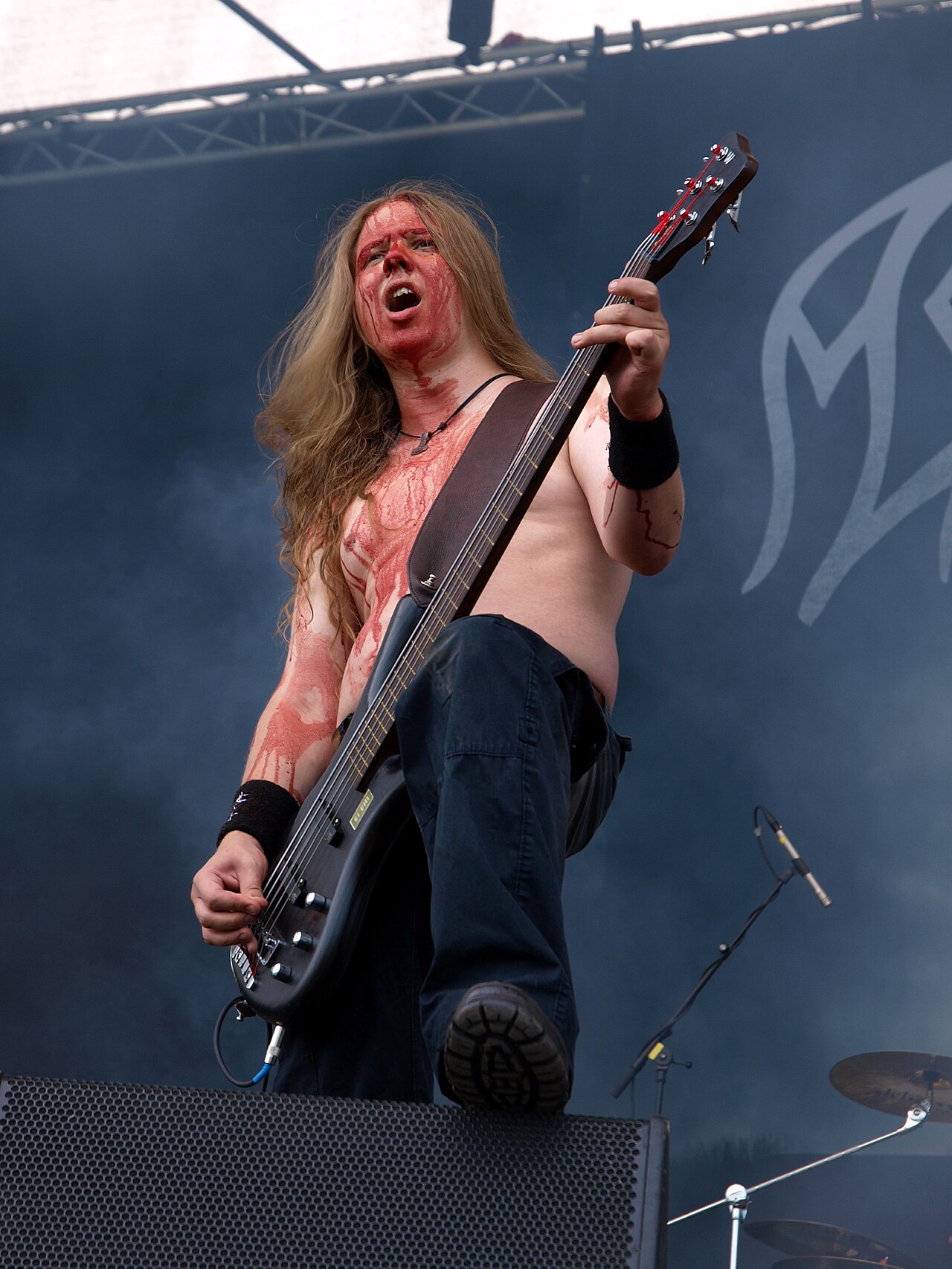



Musical characteristics
Musically, Viking metal is not defined by a specific instrumentation but by a collection of traits that produce a heroic or ancestral mood. Common elements include:
- Mid- to slow-tempos and heavy, droning riffs
- A mix of harsh and clean or chant-like vocals, sometimes choirs
- Incorporation of folk instruments, acoustic passages or traditional melodies
- Orchestral or atmospheric synthesizers to create a cinematic feel
- Lyrical focus on sagas, battles, gods, voyages and landscape
Origins and development
The style emerged in the late 1980s and early 1990s as metal musicians in Scandinavia began shifting lyrical attention from occult and satanic themes to pre-Christian Northern tradition. Swedish band Bathory is frequently cited as a principal influence, and its fourth album, Blood Fire Death, released in 1988, is often credited with crystallizing the aesthetic that later came to be called Viking metal. The movement grew alongside related strands such as black metal and folk metal, sharing some musical techniques while emphasizing different subject matter.
Notable acts and regional scene
While originating in Scandinavia, Viking themes have attracted bands from across Europe. Prominent groups associated with the style include Norwegian and Swedish acts that combined extreme metal roots with saga-oriented lyrics. The scene is tied to festivals, thematic albums, and a visual vocabulary of runes, helmets and seascapes that reinforces the music’s historical focus. Sweden and neighboring countries have been important centers for this development.
Reception, influence and distinctions
Viking metal influenced both folk metal and certain strands of progressive and black metal. It is distinct from folk metal in placing stronger emphasis on epic atmosphere and Norse themes rather than continuous traditional folk instrumentation. The subgenre has attracted scholarly and popular interest for its revivalist portrayal of the past; critics note that while many bands explore Norse culture respectfully, others have sparked debate when their imagery has been co-opted by extremist groups. For background on the mythic sources artists draw on, see Norse mythology.
For further reading and band histories, consult dedicated genre resources and album studies that trace how early records reshaped metal’s thematic possibilities. Additional reference material is available through genre overviews and specific artist pages. More on the genre • Bathory • Blood Fire Death
Related articles
Author
AlegsaOnline.com Viking metal: a heavy metal subgenre inspired by Norse history and myth Leandro Alegsa
URL: https://en.alegsaonline.com/art/105140
Sources
- blogs.ocweekly.com : "The 10 Best Viking Metal Bands"
- allmusic.com : "Blood Fire Death - Bathory : Songs, Reviews, Credits, Awards : AllMusic"