
Synthesizer: electronic musical instrument and sound-design tool
An overview of the synthesizer: how it generates sound, common modules and synthesis methods, a brief history, uses in music and media, and distinctions from samplers and keyboards.
A synthesizer is an electronic instrument that produces musical tones by creating and shaping electrical signals rather than by mechanically striking strings or pipes. Synthesizers range from compact hardware keyboards to large modular systems and purely software-based instruments. Many have a piano-style keyboard for performance, but they are often played using sequencers, controllers or automated systems as well. Unlike the acoustic piano, which creates sound by hammers striking strings, a synthesizer typically uses oscillators to generate waveforms that are then modified by filters, amplifiers and envelopes.
Image gallery
10 Images




Core components and signal flow
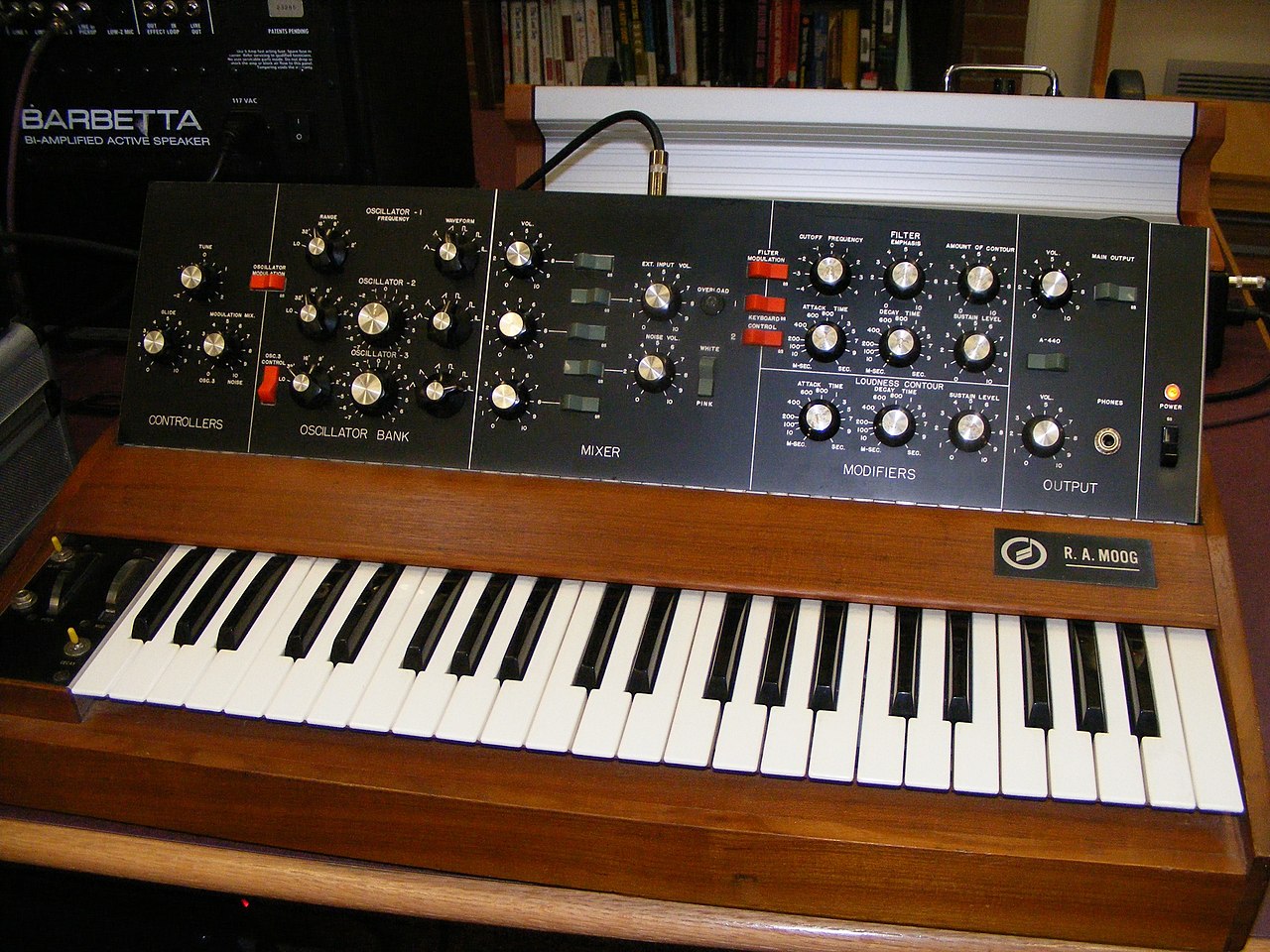
Most synthesizers implement a basic signal path: sound sources (oscillators) produce raw waveforms, which pass through processors that shape timbre and amplitude. Typical modules include:
- Oscillators (VCOs/DCOs): generate basic waveforms such as sine, sawtooth, triangle and square.
- Filters (VCFs): remove or emphasize frequency bands to sculpt tone.
- Amplifiers (VCAs): control output level, often under envelope control.
- Envelopes and LFOs: control changes over time (attack, decay, sustain, release) and provide periodic modulation.
- Modifiers and effects: ring modulation, delay, reverb and more for texture.
Synthesis methods
Various techniques produce different sounds: subtractive synthesis removes harmonics from rich waveforms; additive builds tones by combining sine waves; frequency modulation (FM) creates complex timbres by modulating one oscillator with another; wavetable and granular methods use sampled or short waveform tables for evolving textures. Digital and analog machines often mix these approaches, and modern instruments can emulate many types within one device.
History and development
Synthesizers developed through the 20th century as electronic technology matured. Early experiments in electronic sound led to modular laboratory instruments and studio devices. In the 1960s and 1970s modular and tabletop synthesizers brought programmable sound design to musicians and studios; this era saw the rise of commercially influential instruments and firms. Later, compact digital synths and standards such as MIDI enabled wide compatibility and ushered in affordable home and professional equipment. Major milestones include widespread adoption in popular music and the transition from exclusive studio tools to versatile live and production instruments. Many manufacturers and designers contributed to these changes, and the instrument kept evolving into software formats and hardware hybrids.
Uses, examples and cultural importance
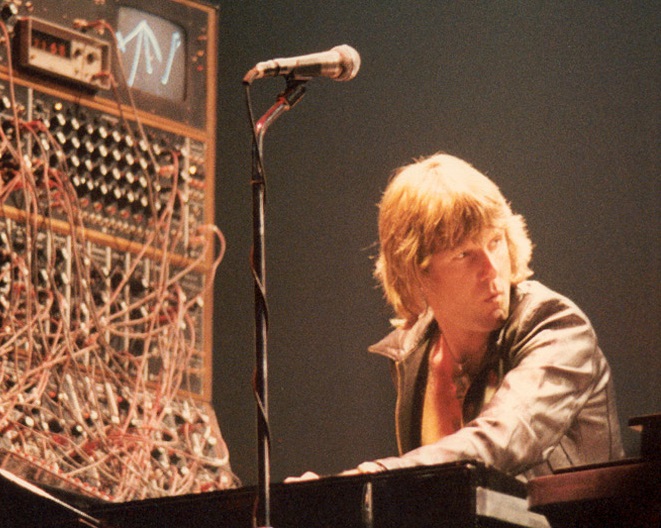
Synthesizers are central to electronic music genres but also appear across pop, rock, film scoring, television, advertising and sound design. They can imitate acoustic instruments, create pads and textures, or generate entirely synthetic timbres. Iconic examples and families of synthesizers illustrate their range: early modular units and classic keyboard models defined studio sounds, and later digital workstations expanded timbral possibilities. Modern producers commonly combine hardware and software tools in studios and live setups.
Distinctions and notable facts
Synthesizers differ from samplers, which play back recorded sounds, and from digital emulations that reproduce specific instruments; many modern synths include sampling engines as well. Communication protocols such as electrical-based standards allowed controllers and modules to interoperate, and the introduction of the MIDI standard facilitated complex setups between keyboards, sequencers and computers. For more technical primers and practical guides see sound-generation resources, manufacturer pages and community tutorials. Historical and product-focused reading is available via overviews and company histories at electronic music archives and collector sites. To compare playing approaches, consult resources about keyboard technique and contemporary controller designs at performer-focused guides.
Synthesizers remain a flexible tool for composers, performers and sound designers. Their capacity to generate, shape and modulate sound has made them indispensable for creating both realistic instrument tones and novel, otherworldly textures used in many modern media.
Questions and answers
Q: What is a synthesizer?
A: A synthesizer is a musical instrument that uses electricity to produce sounds.
Q: What is the primary use of a synthesizer?
A: The main use of a synthesizer is making electronic music.
Q: How is a synthesizer keyboard different from a piano keyboard?
A: A piano keyboard makes sounds by hitting hammers against strings, while a synthesizer keyboard produces sounds by turning electrical oscillators on and off.
Q: What is the short form of the word "synthesizer"?
A: The short form for synthesizer is "synth".
Q: Are most synthesizers equipped with a keyboard?
A: Yes, many synthesizers come with a keyboard, similar to that of a piano.
Q: What is the source of power for a synthesizer?
A: The power source for a synthesizer is electricity.
Q: How do you make sounds on a synthesizer?
A: Sounds on a synthesizer are made by turning electrical oscillators on and off.
Related articles
Author
AlegsaOnline.com Synthesizer: electronic musical instrument and sound-design tool Leandro Alegsa
URL: https://en.alegsaonline.com/art/95688