
Veneridae — the Venus clams: biology, distribution, and human uses
Veneridae, or Venus clams, are a globally distributed family of bivalve molluscs with over 500 species. This article summarizes their anatomy, habitats, taxonomy, ecological role, and importance to people.
Veneridae, commonly called Venus clams, are a diverse family of marine bivalve molluscs that includes more than 500 described species. Members of this group are recognizable by their two-part shells and by life habits adapted to burrowing and filter feeding. They belong to a larger assemblage of clams and related taxa that are important components of coastal ecosystems.
Image gallery
10 Images


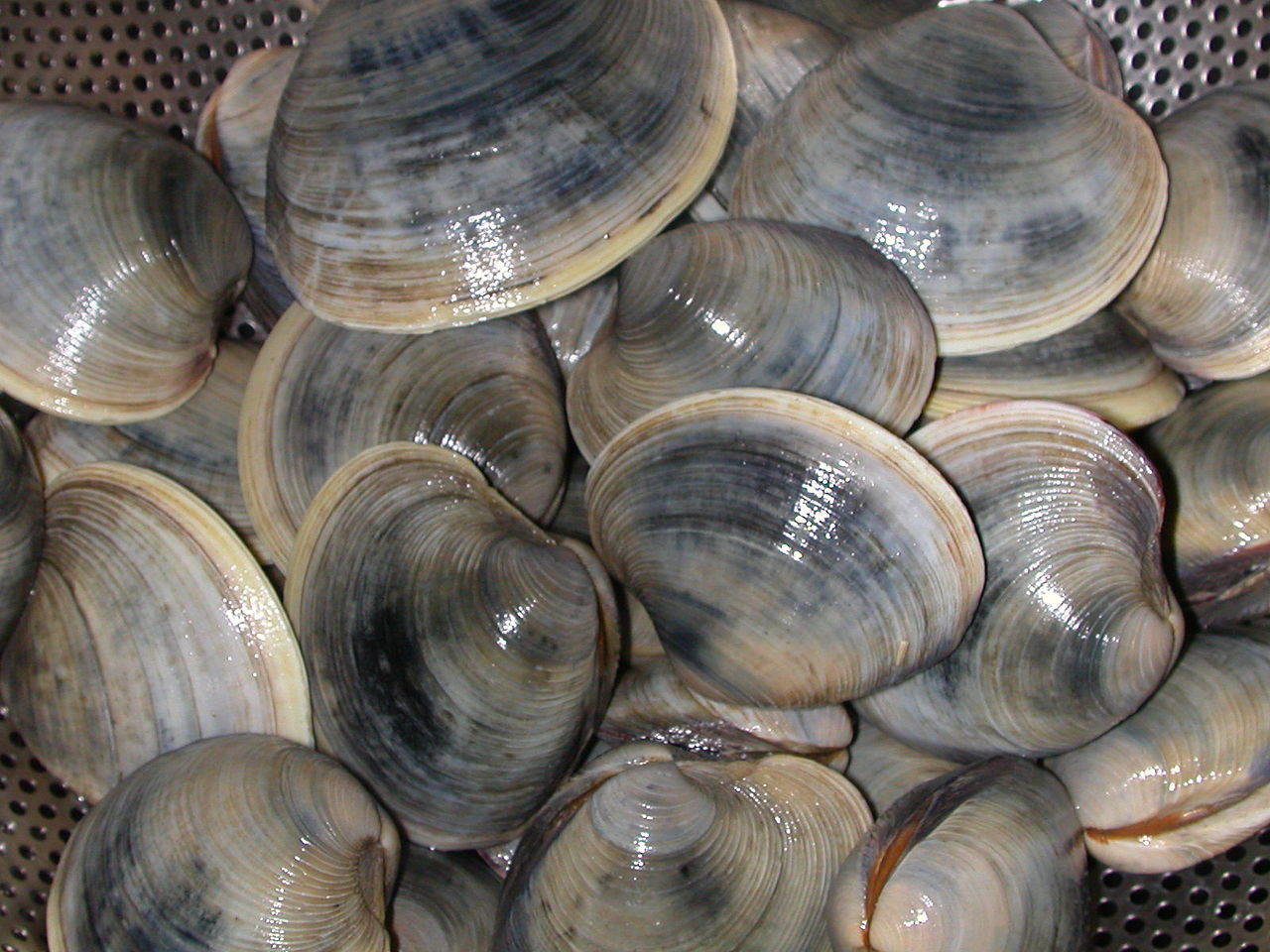

Characteristics and anatomy
Venus clams have a laterally compressed body enclosed by two calcareous valves joined at a hinge. Shell shape and surface sculpture vary widely among species, from smooth and rounded to strongly ribbed. Internally, they possess a muscular foot used for digging, paired siphons for drawing water in and out, and gills that capture plankton and detritus. These features make them efficient filter feeders and well adapted to infaunal life (living within the seabed).
Distribution and habitat
Veneridae occur in seas worldwide and are especially common in shallow coastal areas. Many species prefer substrates composed of sand or fine gravel and are most abundant near the shore. Their broad distribution includes temperate and tropical waters; some tolerate brackish conditions. Typical habitats are intertidal flats and shallow subtidal zones where sediment allows effective burrowing.
Ecology and role
As filter feeders, Venus clams play a role in water clarification and nutrient cycling. They are prey for fish, shorebirds, and crustaceans, and they can affect sediment structure through their digging. Populations fluctuate with environmental conditions and human impacts such as habitat alteration and harvesting.
Human uses and management
Several Veneridae species are harvested and farmed for food; they are a familiar part of coastal seafood traditions and are used in dishes such as clam soups and stews. Because of their commercial value, some populations are managed by fisheries or aquaculture programs. Sustainable harvesting and monitoring help reduce overexploitation and contamination risks.
Taxonomy, history, and notable facts
- The family is divided into multiple subfamilies (commonly cited as around twelve) and many genera, reflecting substantial morphological diversity.
- They are part of a long-studied group of marine bivalves and appear frequently in faunal surveys and shell collections.
- For more detailed taxonomic or ecological information, consult specialized databases and regional guides: see links for family data, species lists, and conservation resources such as clams, commercial information seafood, global distribution summaries seas, substrate preferences sandy habitats, and general resources on shallow-water fauna bivalves or classification entries family and species. Additional background and identification keys are available through marine biology portals and field guides shore.
Related articles
Author
AlegsaOnline.com Veneridae — the Venus clams: biology, distribution, and human uses Leandro Alegsa
URL: https://en.alegsaonline.com/art/104544