
Venomous snake
A snake that produces and injects venom to immobilize prey or deter threats; includes vipers, elapids and some colubrids. Important ecologically and medically; study informs antivenom and drug research.
Overview
A venomous snake is any snake that produces a toxic secretion — venom — and delivers it into another animal through a specialized biting apparatus. Venomous species use this adaptation primarily to subdue or kill prey and secondarily for defense. The active components of venom affect the nervous system, blood, tissue or a combination of targets.
Image gallery
7 Images



Characteristics and anatomy
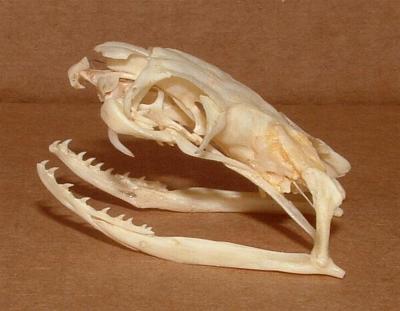
Venomous snakes possess glands that synthesize venom and teeth adapted to inject it. Tooth arrangements vary: some are front-fanged (e.g., vipers and elapids) while others are rear-fanged. The composition of venom differs by species and may include enzymes, toxins and proteins with specific biological effects.
- Delivery systems: front-fanged (proteroglyphous, solenoglyphous) and rear-fanged (opisthoglyphous).
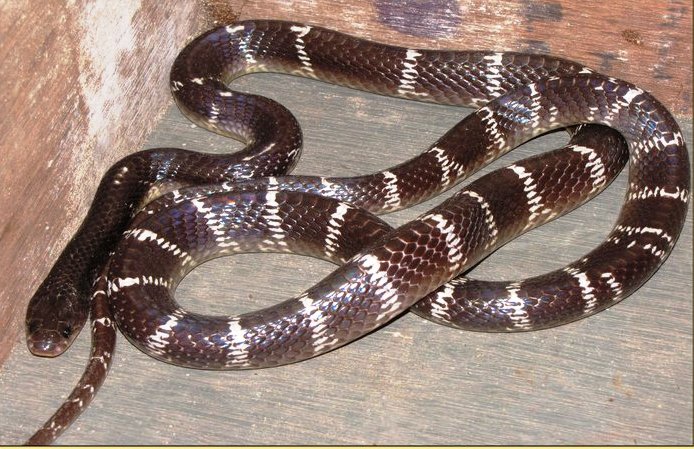
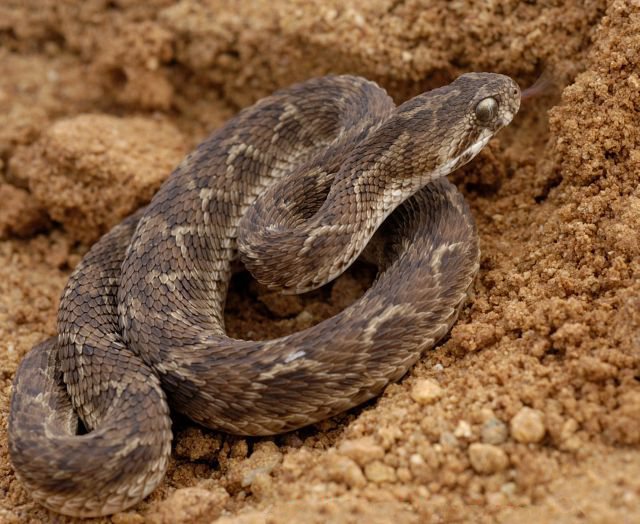
- Major groups with medically significant venom: Viperidae (vipers, pit vipers), Elapidae (cobras, kraits, mambas), and certain Colubridae.
Evolution and diversity
Venom has evolved independently in several snake lineages and shows great biochemical diversity. This evolutionary innovation permitted snakes to exploit diverse prey types and occupy varied ecological niches. Venom composition can evolve rapidly in response to diet and environmental pressures.
Ecological and human importance
Venomous snakes play a key role in ecosystems by controlling populations of rodents and other prey, contributing to balance in food webs. For humans the relationship is mixed: snakebite can be a serious health threat in many regions, and prompt medical care is essential; conversely, venoms are valuable in biomedical research and have led to the development of diagnostic tools and pharmaceuticals.
Distinctions and notable facts
It is important to distinguish venomous from poisonous: venom is injected, whereas poisons must be ingested or absorbed. Not all snakes that are toxic when eaten are venomous, and not all members of a taxonomic group are equally dangerous to people. For more general information about snake biology and risks, consult reputable sources on herpetology and public health. The term "poison" is sometimes used interchangeably in casual speech; scientifically, venom is a specialized form of poison delivered by injection.
Related articles
Author
AlegsaOnline.com Venomous snake Leandro Alegsa
URL: https://en.alegsaonline.com/art/104575