
Vireo (Vireonidae): small New World passerine birds
Vireos are small, often greenish passerine birds of the New World. Shy and insectivorous, they build cup nests, sing distinctive songs, and recent DNA work links them to corvid relatives.
Overview
Vireos are a family of small passerine birds primarily found in the New World. Generally modest in coloration and size, vireos are most abundant in wooded and shrubby habitats from temperate zones into the tropics. They are best known for their persistent, oft-repeated songs and a tendency to remain unobtrusive in tree foliage.
Image gallery
10 Images




Description and behavior
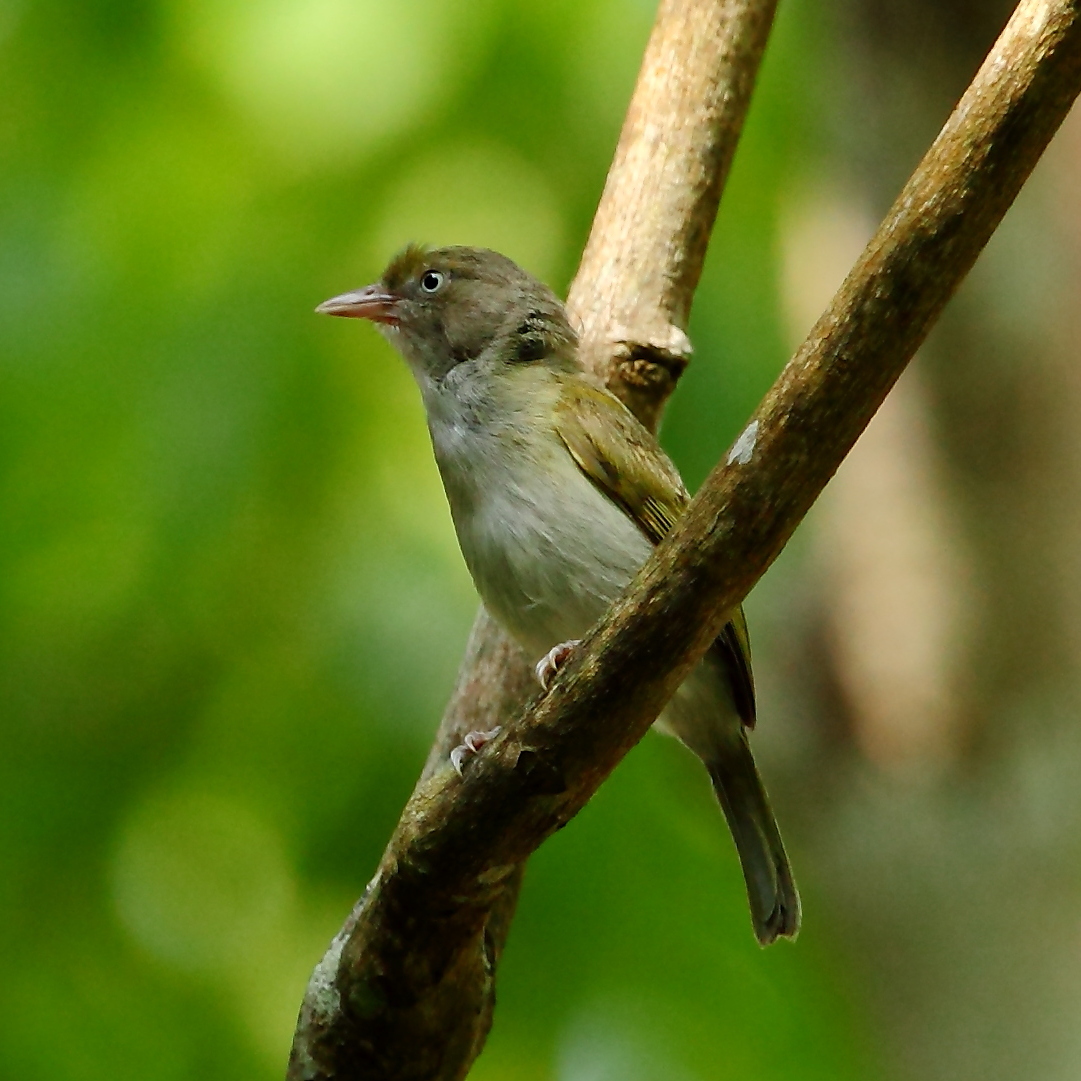
Typical vireos have plain, greenish or grayish upperparts with lighter underparts, stout bills suited to gleaning, and relatively long tails. Many species resemble small wood warblers at a glance, but they usually move more deliberately and hold their bodies with a slightly hunched posture. Their diet is mainly insects and other arthropods, supplemented by berries and fruit during migration or in winter. Most vireos forage by creeping along branches and foliage rather than by aerial sallies.
Taxonomy and evolution
The family Vireonidae contains several genera and numerous species, commonly organized into groups such as true vireos and greenlets. Modern molecular work, including DNA studies, has refined our understanding of their relationships. Unexpectedly, some genetic evidence places vireos closer to corvid-like songbirds than to traditional warbler lineages, suggesting a more complex evolutionary history; this has prompted re-evaluation of older classifications.
Habitat, distribution and migration
Vireos breed in a range of wooded environments, from dense tropical forest to suburban woodlots. Many species are resident in tropical regions, while several temperate-breeding vireos undertake seasonal migrations to warmer areas. Their distribution spans much of the Americas, with species adapted to lowland and montane zones alike. During migration and winter, mixed-species flocks and fruiting trees often attract them.
Identification tips and human interest
Key field marks include the stout bill, plain greenish plumage, and characteristic song patterns—repetitive and often emphatic. Vireo nests are usually well-constructed cup or hanging cup shapes placed in forks of branches. Birdwatchers value vireos for their persistent singing and subtle plumage. Conservation concerns vary by species; some are common and adaptable while others depend on intact forest habitats.
Notable facts and distinctions
- Many vireos carry common names such as "vireo" or "greenlet" that reflect their color or habit.
- They are generally shy and insect-focused, making them important components of forest insect control.
- Genetic studies have led to new insights linking vireos with corvid-like relatives such as crows, reshaping understanding of passerine evolution.
For further general background and field identification, consult regional bird guides or specialized treatments available through ornithological resources and databases (passerine basics, New World distribution). Practical observations—song, foraging style, and nest type—are often the most reliable ways to distinguish vireos from superficially similar species in the field.
Related articles
Author
AlegsaOnline.com Vireo (Vireonidae): small New World passerine birds Leandro Alegsa
URL: https://en.alegsaonline.com/art/105510
Sources
- britannica.com : "vireo (bird) -- Britannica Online Encyclopedia"