
Vasopressin (Antidiuretic Hormone)
Vasopressin (ADH, AVP) is a peptide hormone that regulates body water balance, blood vessel tone and certain social and stress responses; produced in the hypothalamus and released from the posterior pituitary.
Overview
Vasopressin, also called antidiuretic hormone (ADH) or arginine vasopressin (AVP), is a small peptide hormone that plays a central role in conserving body water and influencing vascular tone. It is synthesized in hypothalamic neurons and released into the bloodstream from the posterior pituitary. Vasopressin acts on the kidney to reduce urine volume and on blood vessels to produce vasoconstriction when required, and it contributes to thirst and some social and stress-related behaviors. For a basic outline, see overview.
Image gallery
8 Images


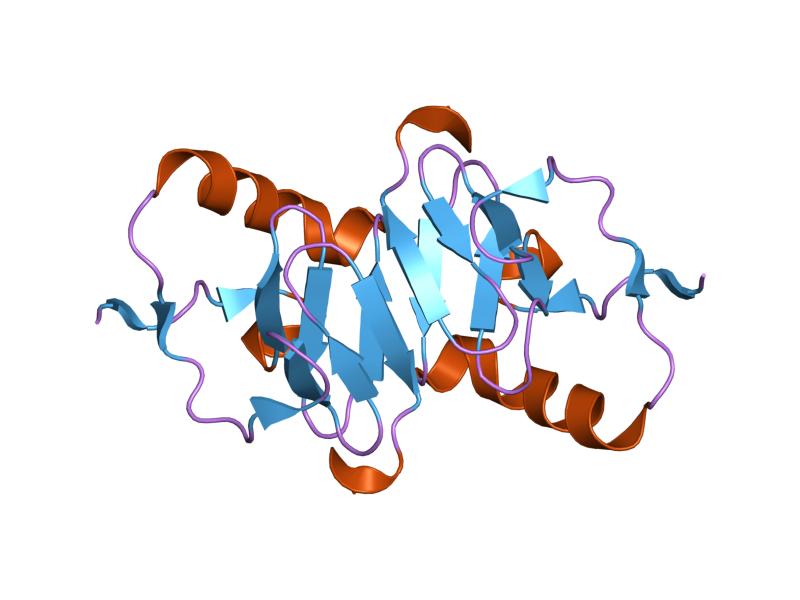


Physiology and mechanism
Vasopressin is produced mainly in the supraoptic and paraventricular nuclei of the hypothalamus and transported to the posterior pituitary for storage and release. In the kidney, it binds primarily to V2 receptors in the collecting ducts, triggering insertion of aquaporin water channels and increasing water reabsorption back into the circulation. Through V1 receptors on vascular smooth muscle it can cause vasoconstriction. A separate receptor subtype in the pituitary (often termed V3 or V1b) modulates adrenocorticotropic hormone release.
Regulation
Secretion is tightly controlled by blood plasma osmolality and, to a lesser extent, by blood volume and pressure. Small rises in plasma salt concentration stimulate release and generate thirst, while decreased blood volume or pressure also increases vasopressin via baroreceptor pathways. This negative-feedback system helps keep plasma osmolality and circulating volume within physiological ranges; further details are available at pituitary regulation and feedback mechanisms.
Clinical significance and uses
Disorders of vasopressin balance have clear clinical consequences. Insufficient secretion or action causes central or nephrogenic diabetes insipidus, producing large volumes of dilute urine and thirst. Excessive vasopressin secretion — for example the syndrome of inappropriate antidiuretic hormone (SIADH) — leads to water retention and hyponatremia. Synthetic analogues such as desmopressin are used therapeutically to treat central diabetes insipidus, some bleeding disorders, and nocturnal enuresis, and vasopressin or its analogues are sometimes used in intensive care settings for certain types of shock and in resuscitation. See clinical topics at kidney and urine and clinical uses.
History and notable facts
The primary structure and biological actions of vasopressin were elucidated in the mid-20th century as peptide chemistry advanced. The hormone is composed of nine amino acids and is closely related in structure to oxytocin. Beyond fluid balance and vascular effects, ongoing research explores vasopressin's roles in behavior, stress responses and social bonding, but these areas remain complex and multifactorial.
Summary
Vasopressin is a key hormone for maintaining water homeostasis and vascular tone. Its regulated release from the posterior pituitary responds mainly to plasma osmolality and circulatory signals. Clinically, both deficiency and excess have distinctive syndromes and there are well-established hormonal therapies and acute uses for vasopressin analogues.
- Key functions: water retention, vasoconstriction, thirst modulation
- Main production sites: hypothalamic nuclei; storage: posterior pituitary
- Major clinical issues: diabetes insipidus, SIADH
Related articles
Author
AlegsaOnline.com Vasopressin (Antidiuretic Hormone) Leandro Alegsa
URL: https://en.alegsaonline.com/art/104328