
Valencia orange: a sweet orange cultivar prized for juice
Valencia is a sweet orange cultivar developed in California, valued for high juice content and a late-season harvest (spring to early summer); historically important in the U.S. citrus industry.
Overview
The Valencia orange is a sweet orange cultivar prized for its high juice yield, fragrant aroma and balanced sweetness. It is one of the principal varieties used by commercial juice processors and is also sold as fresh fruit when available. The fruit's late harvest season extends the annual citrus marketing period in many growing regions, typically between March and June in Mediterranean climates.
Image gallery
4 Images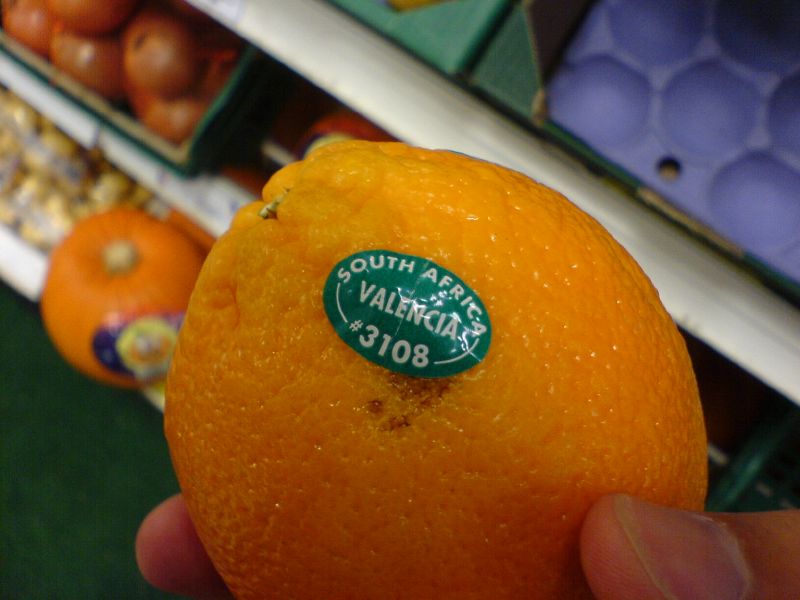


Characteristics
Valencias are usually medium-sized with a relatively thin, smooth rind that turns bright orange when ripe. They are noted for:
- High juice content: abundant, sweet juice with a pleasant acidity that provides classic orange flavor.
- Flavor: aromatic and sweet, often described as the typical orange taste familiar from fresh-squeezed juice.
- Seeds: many Valencia selections contain seeds, though seed count varies with pollination, selected strains and rootstock choice.
- Harvest timing: a late-season fruit that helps carry citrus supplies into spring and early summer.
- Skin and storage: generally thinner-skinned and more perishable than some navels, making them especially suited to processing but also sold fresh.
History and naming
The modern Valencia cultivar traces its popular development to Southern California. The variety is commonly associated with the work of agronomist William Wolfskill, who propagated sweet orange varieties on his property near Santa Ana. Early plantings on Wolfskill's land and neighboring ranches contributed to the cultivar's establishment; historical sites connected with its origin include Wolfskill's farm. The name "Valencia" evokes the long tradition of sweet orange cultivation in Valencia, Spain, though the cultivar became widely developed and commercialized in California (Valencia orange origin).
Cultivation, regional importance and changes
Valencias thrived in Mediterranean and subtropical climates and became emblematic of citrus districts such as what is now Orange County. Large-scale plantings supported fresh-market sales and juice processing for many decades. During the 20th century marketing cooperatives and packing houses helped distribute California citrus nationally and internationally. Economic shifts, urban development and rising land values led to a decline of historic groves in some areas; by the late 20th century production patterns changed and some cultivation moved to other regions such as Florida. Industry reports and regional histories document these trends (see reports).
Propagation, varieties and management
Valencia trees are usually propagated by grafting desirable scions onto selected rootstocks to control vigor, soil tolerance and disease resistance. Over time growers have selected strains and mutations that reduce seediness, improve color or suit processing needs. Cultural practices and rootstock choice influence fruit maturity, quality and yield.
Uses, processing and comparisons
Valencia oranges are primarily valued by the juice industry for their sweetness and yield, and they are a common choice for fresh-squeezed and concentrated orange juice. Compared with navel oranges, Valencias are later in the season, often contain more seeds, and have a thinner rind—features that make them especially useful for juicing. They are also used in culinary preparations, preserves and confectionery where orange juice is required.
Pests, diseases and challenges
Citrus production worldwide faces pests and diseases such as various fungal pathogens, insect pests and vascular diseases that can reduce yields and increase management costs. Growers rely on integrated pest management, resistant rootstocks where available, and quarantine measures to limit spread. Shifts in production geography have been influenced by these pressures as well as economic and land-use changes.
Cultural and economic significance
The Valencia orange played a major role in building citrus industries in California and elsewhere, supporting local economies, cooperative marketing efforts and food-processing sectors. While cultivation in some historic producing areas has declined, Valencias remain an important global variety in suitable climates and continue to supply much of the seasonally late orange juice market.
Further information and regional resources are available from agricultural extension services and citrus industry organizations: regional histories, county overviews, and market analyses by cooperatives and trade groups (cultivar summaries, biographical notes, site records, industry reports, production region studies).
Related articles
Author
AlegsaOnline.com Valencia orange: a sweet orange cultivar prized for juice Leandro Alegsa
URL: https://en.alegsaonline.com/art/103974