
Vascular tissue (plants)
Specialized plant tissue that conducts water, minerals and sugars; composed mainly of xylem and phloem and organized into the vascular tissue system of vascular plants.
Overview
Vascular tissue is the conducting tissue found in most land plants that moves water, dissolved minerals and organic compounds between roots, stems and leaves. It is a complex tissue because it contains more than one cell type and is organized into continuous strands or bundles. Vascular tissue in plants is distinct from the animal circulatory system, though both serve transport roles within an organism.
Image gallery
2 Images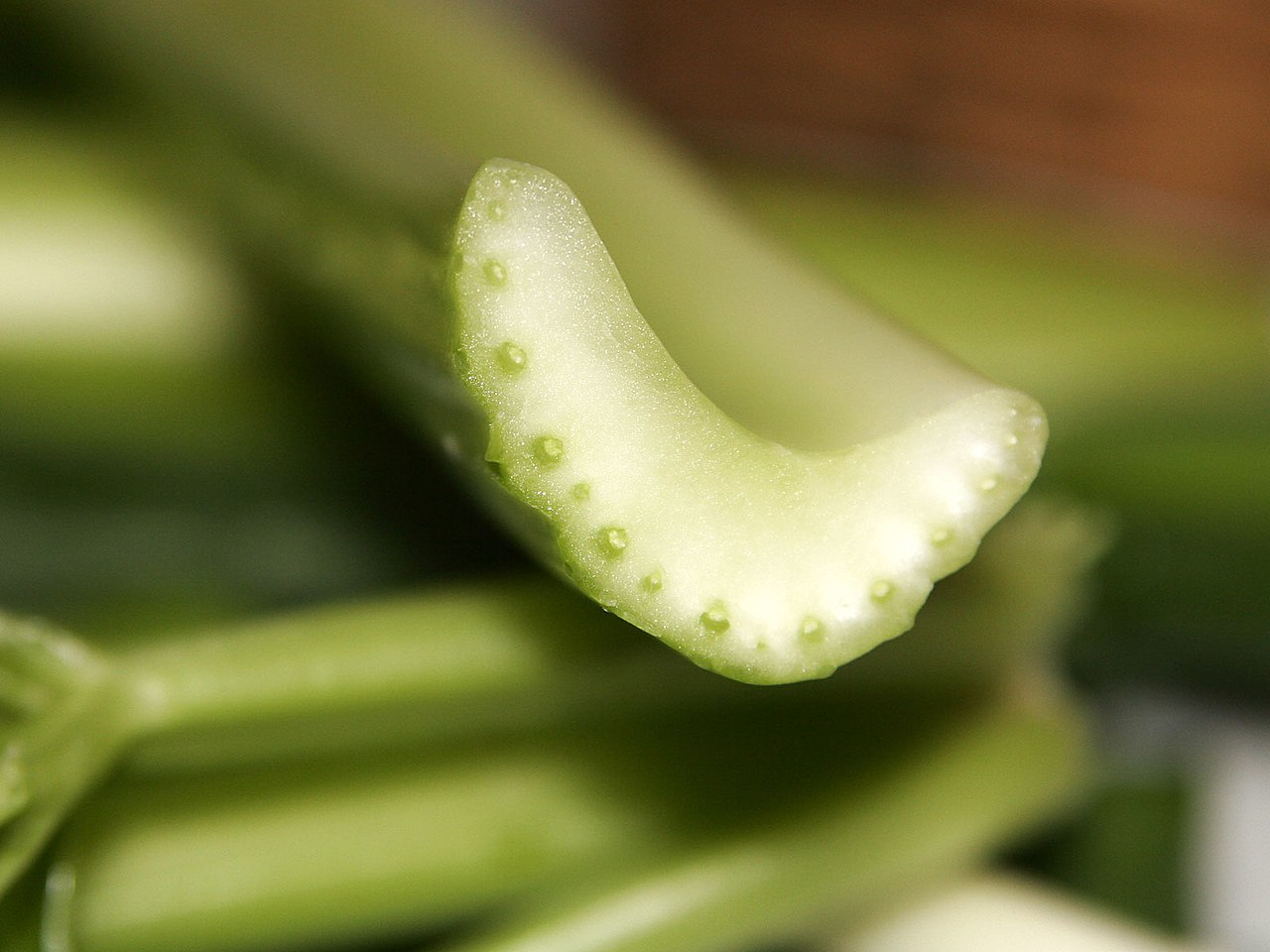

Main components
The two principal elements of vascular tissue are:
- Xylem — primarily responsible for transporting water and inorganic solutes upward from the roots toward aerial parts of the plant; it contains several cell types including tracheids and vessel elements.
- Phloem — responsible for distributing organic nutrients, especially sugars produced by photosynthesis, to growing tissues and storage organs.
Both xylem and phloem move fluid and nutrients within the plant body, but they do so by different mechanisms and in different directions depending on needs.
Development and arrangement
Vascular tissues arise from a meristematic region known as the vascular meristem or cambium. In many woody plants a secondary meristem called the vascular cambium generates additional xylem and phloem and contributes to stem thickening. The spatial arrangement of vascular tissue varies: in stems it often forms continuous rings or discrete bundles, while in leaves it appears as the venation network that supports and feeds photosynthetic tissue.
Evolution and significance
Vascular tissue was a key innovation in the evolution of land plants, allowing greater size, structural complexity and colonization of diverse habitats. Plants that possess these conducting tissues are collectively called vascular plants, and they include ferns, gymnosperms and angiosperms. The efficiency of xylem and phloem underpins major ecological functions such as transpiration-driven water cycles and carbon allocation.
Uses, examples and notable distinctions
Understanding vascular tissue is important in agriculture, forestry and plant breeding because transport efficiency affects growth, drought resistance and nutrient distribution. Practical examples include grafting, which joins vascular systems of two plants so that water and nutrients can flow between them, and tree-ring studies based on xylem that record growth history. Although vascular tissue and animal blood vessels are analogues in function, they differ fundamentally in structure, composition and driving mechanisms.
Related articles
Author
AlegsaOnline.com Vascular tissue (plants) Leandro Alegsa
URL: https://en.alegsaonline.com/art/104303