
Uzbek language (Oʻzbek tili)
Uzbek is a Turkic language spoken mainly in Uzbekistan and across Central Asia. This article explains its classification, scripts, dialects, grammar traits, history, and modern status.
Overview
Uzbek (Oʻzbek tili) is a Turkic language spoken primarily in the Republic of Uzbekistan and by Uzbek communities across Central Asia and beyond. Estimates of the number of speakers vary, but the language serves as the mother tongue of tens of millions and as a lingua franca within several regions. Uzbek has developed distinctive regional varieties and is used in government, education, media, and literature.
Image gallery
4 Images


Classification and scripts
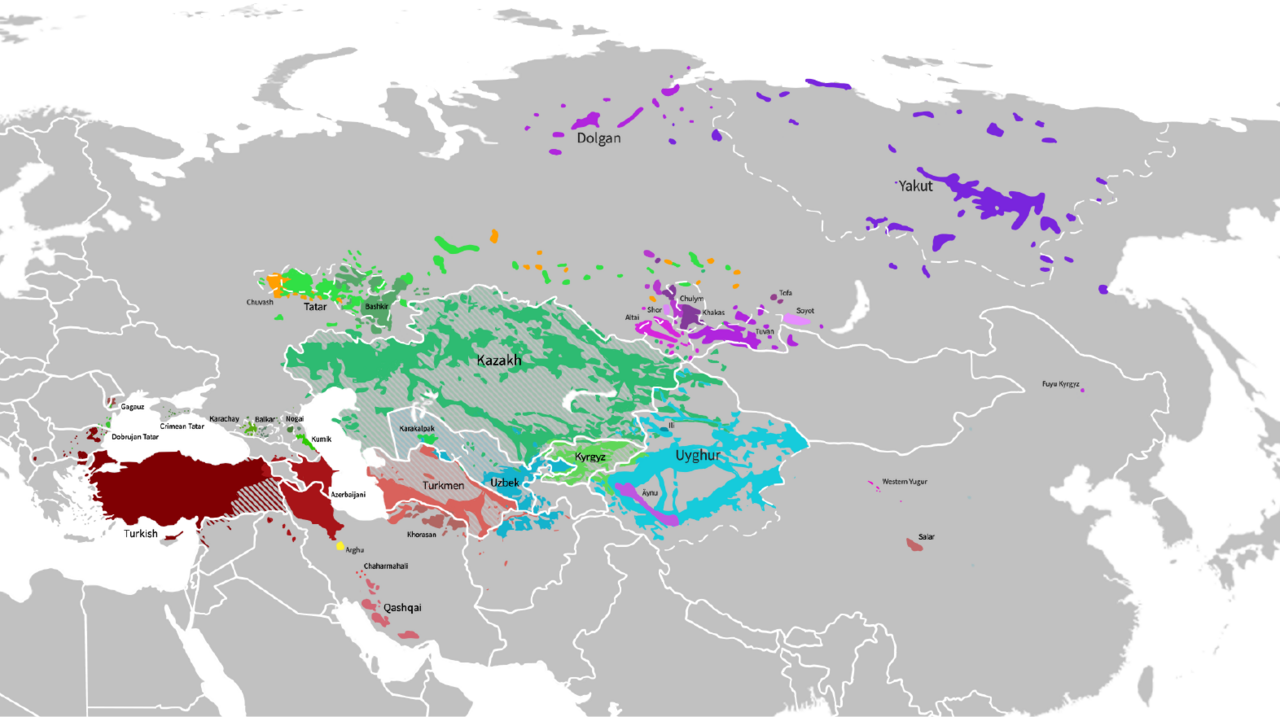
Linguistically, Uzbek belongs to the Karluk or southeastern branch of Turkic languages and is closely related to Uyghur; it is therefore often described as part of the broader Turkic language family. Written Uzbek has employed several scripts over the last century: historically the Arabic script and later the Cyrillic alphabet, while a Latin-based alphabet has been adopted and promoted in recent decades. Common orthographies and their names are often indicated in scholarly and official contexts using different scripts: Latin script and Arabic script forms appear in linguistic descriptions and heritage texts.
Key characteristics
- Agglutinative morphology: words are formed by adding suffixes to stems, reflecting grammatical relations.
- Tendency toward subject–object–verb (SOV) word order in neutral sentences.
- Vowel and consonant patterns influenced by contact with Persian, Arabic and Russian.
- Rich system of pronouns and evidential markers in some dialects.
Dialects and history
Modern Uzbek descends from the Chagatai literary language and has been shaped by centuries of Turkic, Persian and Arabic interaction. Dialects are often divided into northern and southern groups, with northern varieties more common in the Uzbek heartland and southern forms preserved among communities in Afghanistan and neighbouring areas. Literary traditions reach back to medieval poets and writers who contributed to a shared Turkic cultural sphere.
Uses and contemporary status
Today Uzbek is the official language of the Uzbek state and is used in public administration, education, broadcasting and print. It plays a central cultural role for Uzbek identity and is learned as a second language by non-Uzbek residents in multiethnic regions. Language policy, script reform, and the balance between regional dialects remain active topics in academia and public life.
See also: historical Chagatai literature, script reform debates, and comparative studies within the Turkic family.
Related articles
Author
AlegsaOnline.com Uzbek language (Oʻzbek tili) Leandro Alegsa
URL: https://en.alegsaonline.com/art/103777
Sources
- ethnologue.com : Uzbek
- ethnologue.com : Northern
- ethnologue.com : Southern
- books.google.com : Law and the Making of the Soviet World: The Red Demiurge
- glottolog.org : "Uzbek"
- wikidata.org : wikidata.org/wiki/Q9264
- d-nb.info : 4133269-6
- id.ndl.go.jp : 00574099
- aleph.nkp.cz : ph426665
- idref.fr : 027488780