
Wampanoag: People, History, and Cultural Legacy
The Wampanoag are Native peoples of southeastern New England. This article outlines their language, society, colonial contact and epidemics, 17th‑century conflict, and contemporary communities.
Overview
The Wampanoag are a group of Indigenous peoples native to what is now southeastern Massachusetts, Cape Cod, Martha's Vineyard and Nantucket, and portions of eastern Rhode Island. Their traditional homeland sits within the larger Northeastern Woodlands cultural area. Members of the Wampanoag nations speak varieties of the Algonquian language family; the historical Wôpanâak language and modern revitalization efforts are important parts of contemporary identity. For general introductions and maps, see regional resources and cultural summaries on New England Indigenous peoples.
Image gallery
9 Images





Culture and social organization
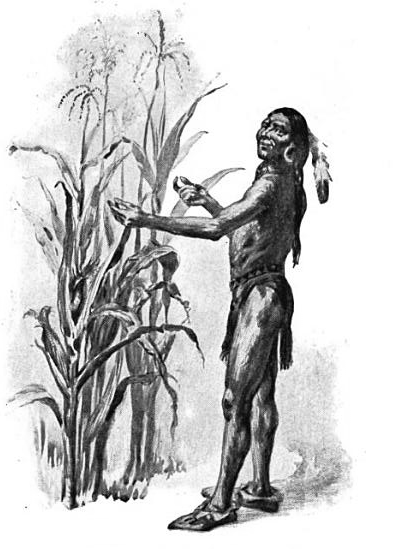
Wampanoag society was organized into local communities often led by a sachem (chief) and councils of elders. Communities moved seasonally between coastal sites and inland areas to take advantage of fish runs, shellfish beds, and agricultural fields. Typical elements included:
- Subsistence based on corn (maize), beans, and squash, supplemented by fishing, shellfishing, hunting and foraging.
- Wetu and other wooden-frame dwellings adapted to seasonal patterns.
- Social structures that emphasized kinship, communal land use, and political alliances between sachems.
Material culture featured bark and woven goods, canoe craft, and complex knowledge of local ecology used for food, medicine and ceremonies.
Contact, disease, and early colonial relations
European contact increased sharply after the early 17th century, most famously when the Plymouth settlement arrived in 1620. Early interactions included trade, diplomacy and assistance; individual figures such as Tisquantum (Squanto) are often cited for helping some pilgrims learn local planting and fishing techniques. At the same time, Indigenous populations suffered catastrophic losses before and after sustained contact due to epidemics. Scholars propose that the massive mortality of 1616–1619 and later outbreaks were caused by one or more infectious diseases (for instance, researchers have discussed leptospirosis, smallpox and other pathogens), which severely weakened many communities and altered regional power balances. For more on early contact narratives and their sources, consult historical studies and medical-historical reviews that examine epidemic evidence.
Conflict and resilience
Following decades of colonization and land loss, tensions culminated in armed conflict in 1675–1676, commonly known as King Philip's War (named for the Wampanoag leader Metacom, or King Philip). The war devastated both Indigenous and colonial populations and resulted in significant displacement, death and enslaved captives. Despite these disruptions, Wampanoag communities endured and adapted, maintaining cultural practices, oral histories and social ties.
Modern communities and cultural revival
Today, Wampanoag descendants are organized in several communities that maintain cultural, political and educational initiatives. Recognized tribes include communities such as the Wampanoag Tribe of Gay Head (Aquinnah) and the Mashpee Wampanoag, among others. Many Wampanoag people are active in language reclamation projects, cultural education, stewardship of traditional lands and legal and political efforts to protect rights and heritage. Contemporary overviews, tribal websites and cultural programs provide entry points to current community life and initiatives: tribal resources and language and cultural projects.
Understanding the Wampanoag today requires recognizing both the deep historical roots of their homelands and the long record of adaptation and persistence in the face of disease, colonization, and legal challenges. Their ongoing cultural revival and community work continue to shape the social and ecological landscape of New England.
Related articles
Author
AlegsaOnline.com Wampanoag: People, History, and Cultural Legacy Leandro Alegsa
URL: https://en.alegsaonline.com/art/106429