
Warumungu people (Warramunga): Indigenous community of central Australia
Overview of the Warumungu (Warramunga) people: traditional lands, language use, culture, history of contact, contemporary communities, land rights and resources for further enquiry.
The Warumungu (also spelled Warramunga and other variants) are an Aboriginal Australian people whose traditional country lies in central northern Australia, principally around Tennant Creek and parts of the Alice Springs region in the Northern Territory, with family connections extending into neighbouring areas of South Australia. Many Warumungu continue to live on country and in regional towns, where they practise cultural knowledge, language and ceremony alongside engagement with contemporary Australian institutions. For an accessible introduction see Warumungu overview.
Image gallery
3 Images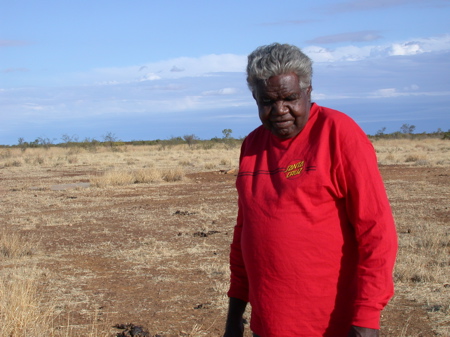


Language
Warumungu is the traditional language of the group and remains in use among elders and in community contexts; other community members commonly speak Kriol and English as everyday languages. Language use is often multilingual, with programs in schools and community centres aimed at maintaining and teaching Warumungu and related cultural knowledge. Regional linguistic projects and educational resources offer further information: territory language resources and broader materials at national Indigenous language services.
Social organisation and cultural life
Warumungu cultural life is structured around kinship, ceremonial practices and continuing responsibilities to country. Ceremonies, song, dance and storytelling transmit ancestral law and connections to specific places, water sources and sacred sites. Traditional technologies and material culture, including carved objects and tools, remain culturally significant and feature in arts practice and ceremonial exchange. Community-run art centres and cultural programs provide spaces for knowledge transmission and for sharing Warumungu art and stories with wider audiences; see community initiatives at cultural programmes and educational offerings at community education resources.
History of contact
Recorded encounters with European explorers and pastoral expansion began in the mid‑19th century and had profound effects on Warumungu life. One early documented encounter occurred in June 1861 near what became known as Attack Creek, where explorer John McDouall Stuart described a confrontation and later retreated; the site is commemorated by a roadside memorial on the Stuart Highway. Such episodes are part of a larger history of contact that also included pastoralism, mission activity and government policies that disrupted livelihoods and movement. Historical materials and commemorative information can be consulted at exploration records and local heritage resources at site details.
Contemporary communities and rights
Today Warumungu people live in Tennant Creek and nearby communities, and some families have ties in the Alice Springs region and South Australia. Contemporary life combines cultural maintenance—ceremony, language revival and land management—with participation in education, employment and regional governance. Many Warumungu have engaged with land rights and native title processes to seek recognition and management of traditional lands; these legal and political efforts play a key role in cultural continuity and resource management. Local community organisations, councils and Indigenous corporations are primary sources for current projects and services: see local links at South Australian connections and archival resources at local archives.
Significance and further reading
The Warumungu people are distinguished by enduring cultural practices, resilient language use, and ongoing work to strengthen community wellbeing and rights to country. Readers seeking reliable, up‑to‑date information are advised to consult community-run centres, regional language projects and Indigenous organisations that work directly with Warumungu people. For further contextual materials and community contacts, follow the links above and consult regional cultural organisations and service providers.
- Also known as: Warramunga and other variant spellings.
- Major centres: Tennant Creek with family links into the Alice Springs region and parts of South Australia.
- Languages: Warumungu (traditional), Kriol and English.
- Notable site: Attack Creek and the Stuart Highway memorial; historical notes at site details.
Community sources, educational programmes and cultural centres remain the most direct and respectful pathways to learn about Warumungu language, law and contemporary initiatives; relevant resources include regional government and Indigenous-run services (territory resources, national context) and local cultural programmes (cultural programmes, educational resources).
Related articles
Author
AlegsaOnline.com Warumungu people (Warramunga): Indigenous community of central Australia Leandro Alegsa
URL: https://en.alegsaonline.com/art/106645
Sources
- ethnologue.com : Warumungu: A language of Australia
- linguistics.unimelb.edu.au : Aboriginal Child Language Acquisition Project: Warumungu
- ethnologue.com : Linguistic Lineage for Warumungu
- abc.net.au : "Week 17: The expedition ends at Attack Creek"
- nt.gov.au : "Attack Creek Historical Reserve"