
Maasai: pastoralist people of Kenya and northern Tanzania
Overview of the Maasai (Maa-speaking) pastoralists: location, social organization, material culture, history, conservation issues and contemporary challenges including health and land rights.
The Maasai are a Nilotic-speaking ethnic group found primarily in southern Kenya and parts of northern Tanzania. Famous for colourful dress, distinctive beadwork and a livestock-centred economy, the Maasai maintain cultural practices that are widely recognised across East Africa. They speak the Maa language and share historical and cultural ties with other Nilotic peoples.
Image gallery
10 Images




Language, identity and settlement
Maasai identity is structured through kinship, clan affiliation and an age-set system in which cohorts advance through stages of life together. Traditional homesteads, known as manyattas, are usually compact clusters of huts made from local materials; they are designed for mobility and defence. While many Maasai remain pastoralists who move seasonally with herds, increasing numbers have settled in permanent villages in response to changing land tenure, schooling and employment opportunities.
Economy and livestock
Livestock—especially cattle but also goats and sheep—are central to Maasai livelihoods. Cattle provide milk, meat and hides, and are a major measure of wealth and social status. Bridewealth and other exchanges are often paid in livestock. Historically, a transhumant or semi-nomadic economy allowed Maasai to cope with variable rainfall; today herding is frequently supplemented by cultivation, casual labour, and income from tourism or wages.
Material culture and dress
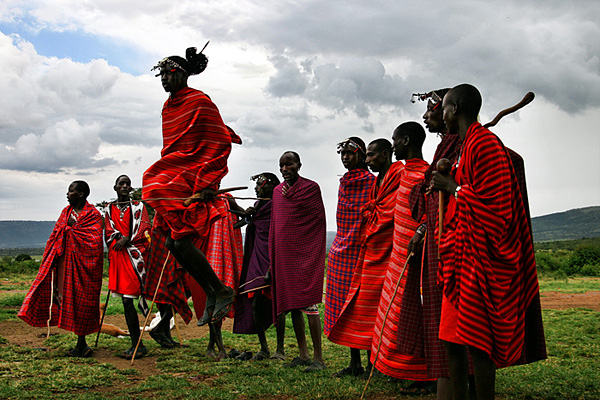
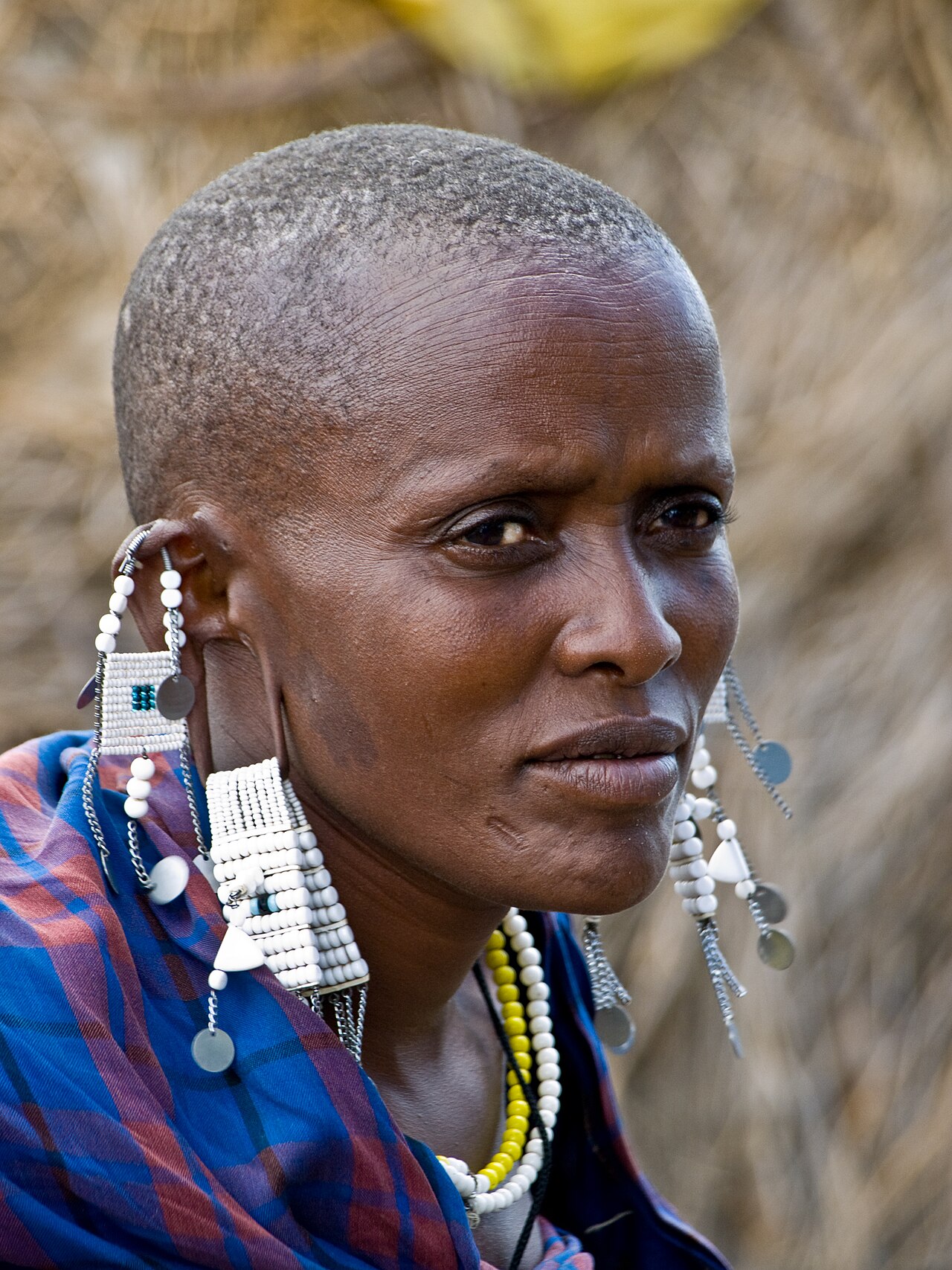
Clothing, hair styling and beadwork are important markers of age, gender and status. The shuka (a brightly coloured cloth) is commonly associated with Maasai dress, and bead necklaces, bracelets and ornaments often convey social information. Body painting and scarification are elements of traditional expression in some communities, while contemporary styles may blend older forms with new materials.
Social organisation and rites of passage
The age-set system organizes male and female cohorts through rites of passage that mark transitions such as circumcision, warriorhood and elderhood. These ceremonies are accompanied by mentorship from elders and by communal rituals. Historically, initiation for young men included physical trials and communal responsibilities; practices vary by region and today many communities have modified or abandoned elements that were harmful.
History, land and conservation
The Maasai expanded into their present range over centuries and encountered European colonists and settler governments in the late 19th and early 20th centuries. Colonial and post-colonial policies often restricted grazing lands by creating protected areas and private holdings. Many Maasai homelands are adjacent to well-known wildlife areas and reserves such as the national parks and conservancies that attract tourism in Tanzania and Kenya. These borderlands continue to be sites of negotiation between pastoral livelihoods, conservation objectives and tourism development.
Contemporary issues
Maasai communities face challenges that include land subdivision, drought, livestock disease and pressure from agricultural expansion. Tourism brings income but can also lead to disputes over access to grazing and to cultural commodification. Education, health services and mechanised transport are changing social expectations and opportunities, particularly for younger generations who increasingly seek formal schooling and employment in towns.
Health, human rights and cultural change
Health initiatives and human-rights programmes have focused on maternal care, vaccination, education and the reduction of practices known to cause harm. Some traditional initiation practices, notably forms of female genital cutting in certain areas, have been the subject of national laws and community-led abandonment campaigns supported by governments and non-governmental organisations. Such efforts emphasise voluntary change, public health and respect for human rights while recognising the importance of culturally sensitive engagement.
Religion and contemporary life
Religious life among the Maasai includes indigenous beliefs and rituals alongside Christianity and, in some locales, Islam. Spiritual leaders and elders play important roles in mediating customary law and ritual life. Many Maasai navigate a balance between maintaining livestock-related knowledge and adapting to new economic and educational pathways.
For further context, readers can consult materials on the Maasai as an ethnic group, the Maa language (Maa), regional conservation and tourism near national parks, and broader studies of pastoralism in East Africa. The Maasai experience illustrates long-standing connections between people, animals and landscape across the borderlands of Kenya and northern Tanzania, and ongoing efforts to reconcile tradition with changing environmental and legal contexts.
Related articles
Author
AlegsaOnline.com Maasai: pastoralist people of Kenya and northern Tanzania Leandro Alegsa
URL: https://en.alegsaonline.com/art/60244