
USS Enterprise (CV-6): The Big E — Yorktown‑class U.S. carrier of World War II
USS Enterprise (CV-6), nicknamed "The Big E" and "The Grey Ghost," was a Yorktown-class aircraft carrier that earned 20 battle stars and served extensively in the Pacific during World War II.
Overview
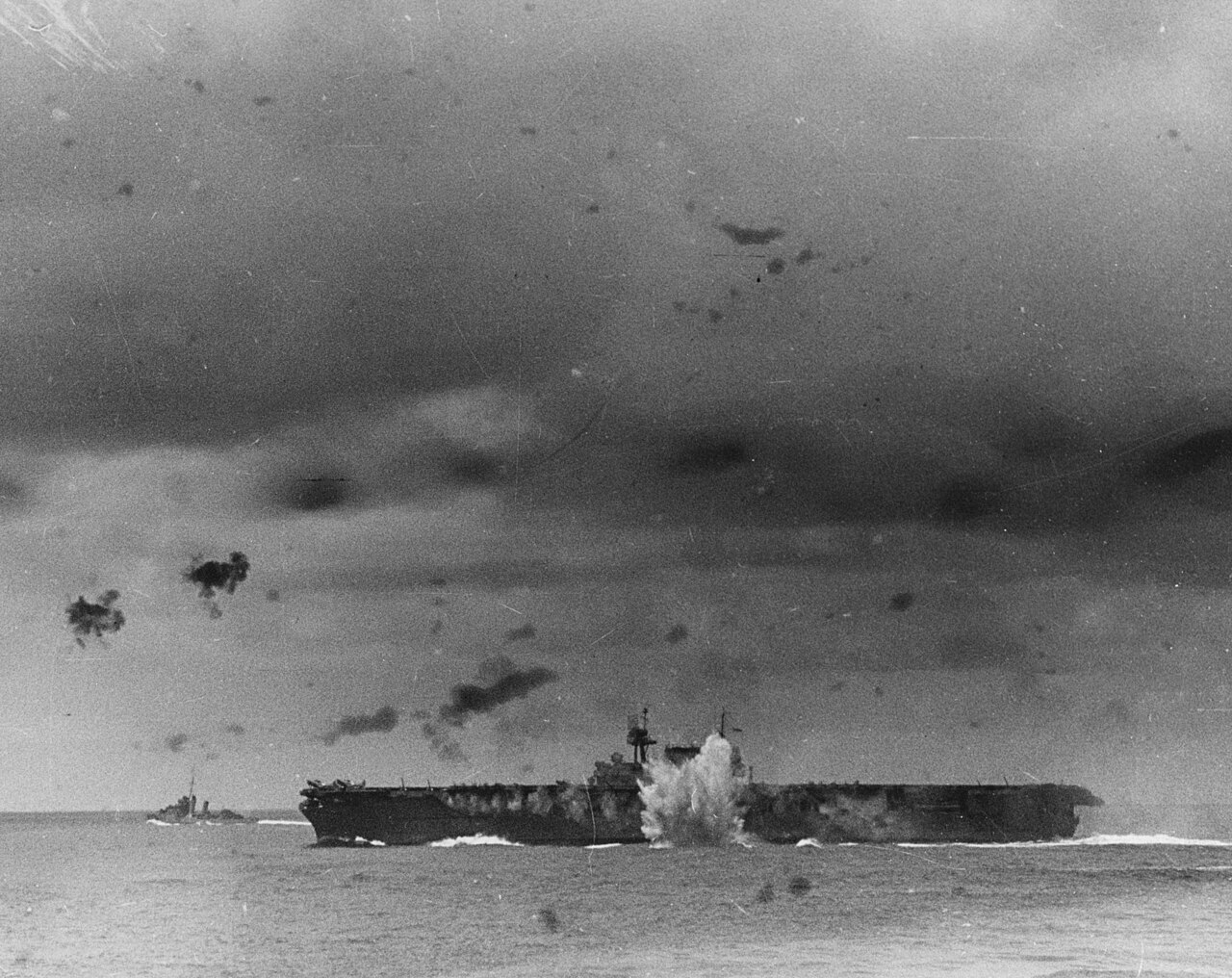
USS Enterprise (CV-6), commonly called "The Big E," was a Yorktown-class aircraft carrier of the United States Navy. Launched in the mid-1930s and commissioned before the outbreak of World War II, she became one of the most active and widely recognized American warships of the conflict. Enterprise was the seventh U.S. Navy vessel to carry the storied name and took part in more actions against Imperial Japan than any other U.S. ship.
Image gallery
10 Images




Design and characteristics
As a Yorktown-class carrier, Enterprise combined speed, a large flight deck and a hangar arrangement intended to support sustained air operations. Her design reflected prewar naval thinking about carrier roles: projecting air power, supporting fleet operations, and protecting sea lines of communication. Crews trained for rapid launch and recovery cycles, and the ship became noted for the efficiency of her air operations under combat conditions.
Wartime service and operations
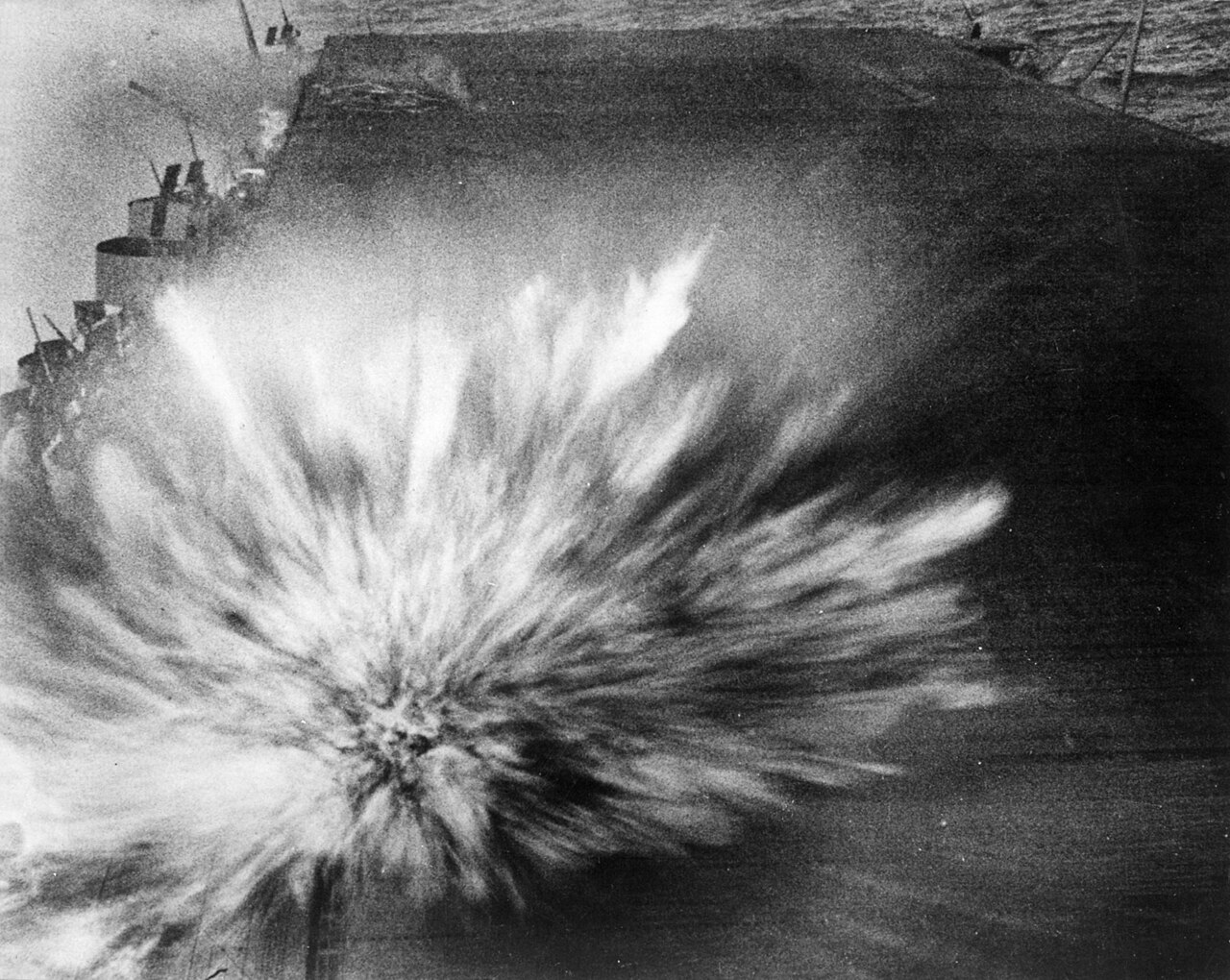
Enterprise saw continuous front-line service in the Pacific from 1941 through the end of the war. She endured repeated battle damage and frequent repairs, returning to action quickly each time. Because of her persistent presence and the way she often evaded enemy reports of her loss, Japanese sources at different times claimed she had been sunk; this contributed to the alternate nickname "The Grey Ghost." Her operational tempo and survival through many hard-fought campaigns made her a symbol of resilience for American naval aviation.
Notable engagements
Enterprise participated in numerous major battles and campaigns across the Pacific theatre. Her air groups and shipboard crews played roles in carrier-versus-carrier actions, amphibious support, and anti-surface and anti-submarine patrols. Key engagements include:
- Battle of Midway — a turning point in the Pacific war where carrier aviation decisively shaped the outcome.
- Guadalcanal campaign actions — multiple carrier battles and close support missions during the struggle for the Solomons.
- Battle of the Eastern Solomons and Battle of Leyte Gulf — large fleet engagements that showcased carrier task force coordination.
- Battle of the Philippine Sea and the Battle of Midway era operations that reduced Japanese carrier strength.
- Battle of the Santa Cruz Islands — one of several clashes in which Enterprise's air groups attacked enemy ships and defended the fleet.
Awards, reputation and fate
Enterprise earned a remarkable twenty battle stars for her wartime service, the highest number awarded to any U.S. warship in World War II. Her record of engagement, damage sustained and returned-to-service repairs contributed to a reputation for toughness and effectiveness. After the war she was decommissioned and, despite efforts by veterans and preservation supporters to save her as a museum ship, she was not retained and was ultimately disposed of.
Legacy and notable distinctions
The Big E occupies a prominent place in American naval memory. Histories of carrier warfare frequently cite her as a leading example of how air power and carrier task forces changed naval strategy. She is often compared to earlier celebrated U.S. ships when discussing naval honors; for example, the much older USS Constitution is another iconic vessel with a different but equally important legacy. For further reading on her class and service, consult resources about the Yorktown-class, carrier operations and Pacific campaigns (aircraft carrier topics), or official naval histories held by institutions such as the United States Navy archives.
Enterprise's story illustrates the transition from traditional surface combat toward carrier-centric fleets and highlights the human element of naval warfare—shipwrights, sailors, and aviators who kept her flying through repeated crises. Her service remains a subject of study for students of naval history, strategy, and technology.
For more detailed battle accounts and operational analyses, see dedicated monographs and archival collections on carrier actions in the Pacific (Guadalcanal, Midway, Philippine Sea, Leyte Gulf, and related campaigns). Additional material on the ship's postwar disposition and preservation debates can be found in specialized naval history works and museum records (Santa Cruz, historic ship comparisons).
Questions and answers
Q: What was the name of the sixth aircraft carrier of the United States Navy?
A: The sixth aircraft carrier of the United States Navy was called USS Enterprise (CV-6).
Q: How many U.S. Navy ships have been named "Enterprise"?
A: Seven U.S. Navy ships have been named "Enterprise".
Q: What class was USS Enterprise (CV-6)?
A: USS Enterprise (CV-6) was a Yorktown class aircraft carrier.
Q: How many battles did USS Enterprise take part in during World War II?
A: During World War II, USS Enterprise took part in more than 20 battles against Japan, including the Battle of Midway, the Battle of the Eastern Solomons, and the Battle of Leyte Gulf.
Q: Why did Japanese forces give her a nickname?
A: Japanese forces gave her a nickname because they reported that she had been sunk in battle at three different times during the Pacific War. This lead to her being nicknamed "The Grey Ghost".
Q: How many battle stars did she earn?
A: She earned 20 battle stars, which is more than any other U.S. warship in World War II.
Q: Is it possible that another ship could rival USS Enterprise's glory and honor?
A: It is possible that another ship could rival USS Enterprise's glory and honor; some suggest that this could be 18th century frigate USS Constitution
Related articles
Author
AlegsaOnline.com USS Enterprise (CV-6): The Big E — Yorktown‑class U.S. carrier of World War II Leandro Alegsa
URL: https://en.alegsaonline.com/art/103692