
Utility cycling: everyday transport by bicycle
Utility cycling refers to riding a bicycle primarily for transportation—commuting, shopping, errands and social trips—covering short to medium distances in cities and towns, often supported by infrastructure and policy.
Overview
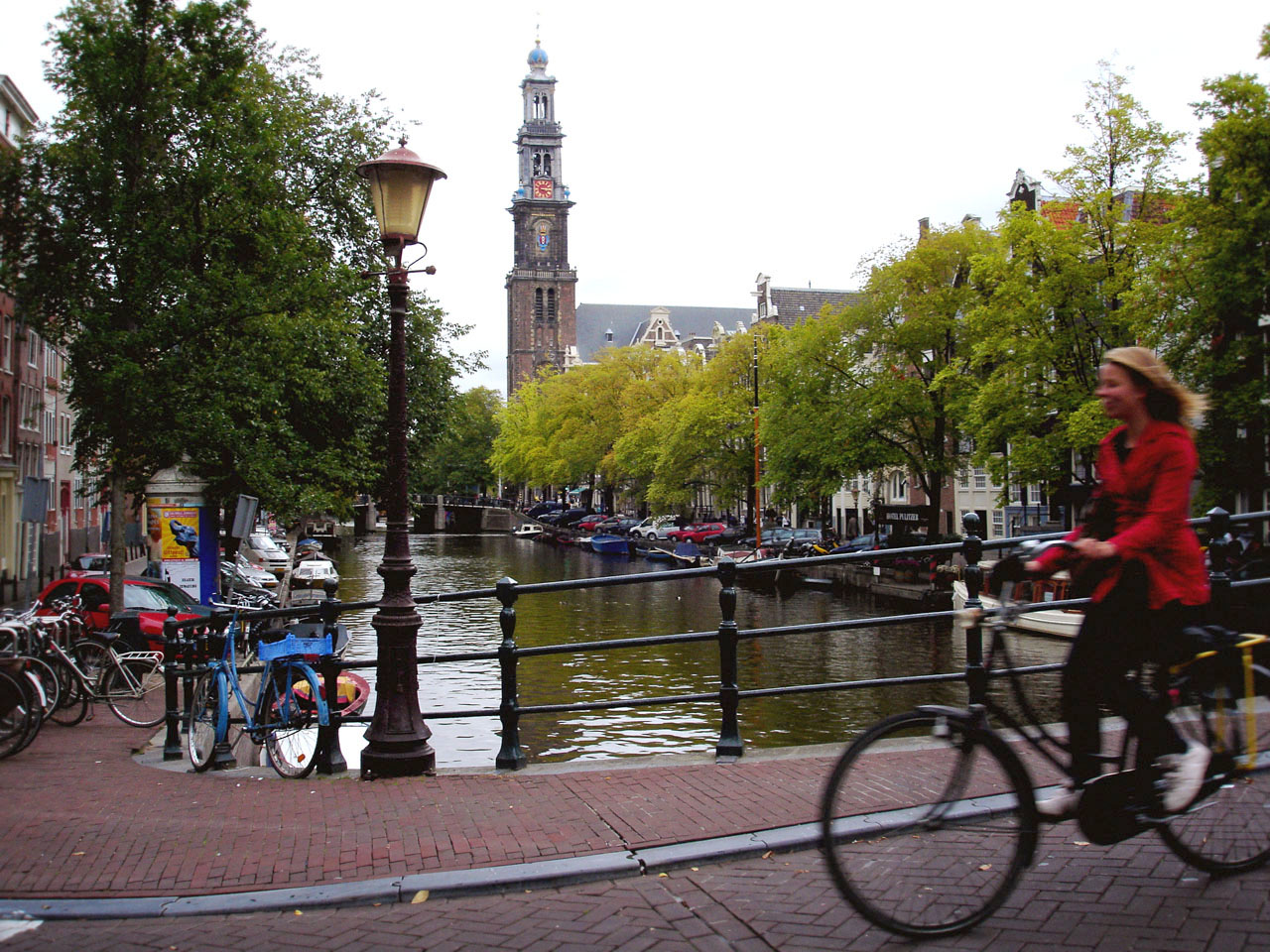
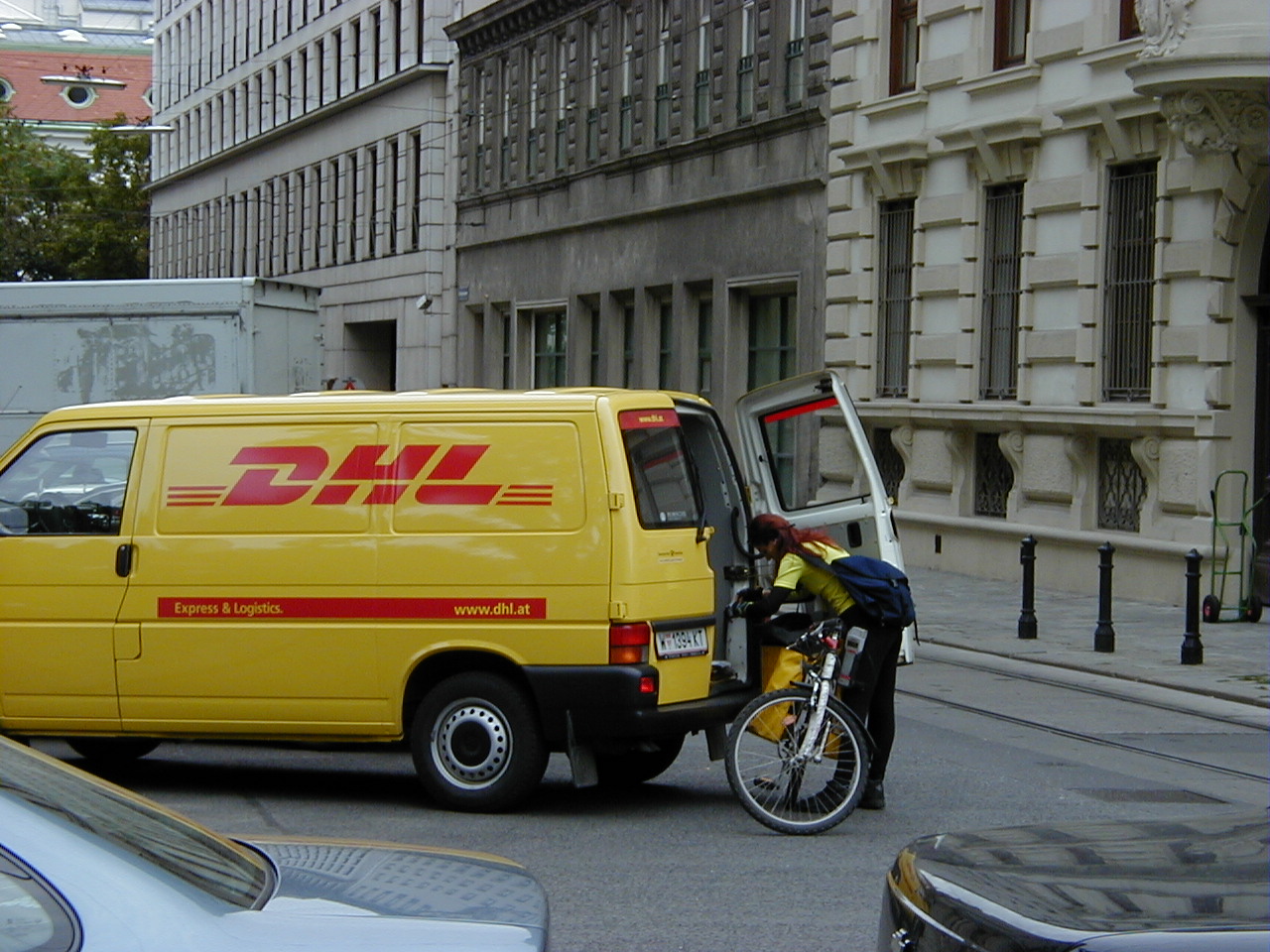
Utility cycling describes riding a bicycle mainly as a practical means of getting from A to B rather than for sport, fitness or recreation. Often called transport cycling, it is the most widespread form of cycling worldwide and typically covers short to medium distances suitable for daily tasks such as commuting, shopping or visiting friends.
Image gallery
10 Images



Characteristics and common equipment
Utility cycling favors bikes and accessories designed for comfort, durability and load-carrying rather than speed. Typical features include upright riding positions, chain guards, fenders, integrated lighting, luggage racks or baskets, and strong frames. Electrically assisted models are increasingly common because they extend range and ease effort on hills or when carrying cargo.
History and development
Bicycles have been used for practical transport since their emergence in the 19th century. Urbanization and improvements in manufacturing made bikes an affordable way to travel before widespread car ownership. In many places, the role of the bicycle as a daily transport mode declined with motorization, while in others—especially where policy and infrastructure supported it—cycling remained a principal mode of travel.
Uses, benefits and examples
People use utility cycling for commuting to work or school, shopping, running errands and short social trips. Advantages often cited include lower travel costs, reduced traffic and parking demand, modest health benefits from regular activity, and lower environmental impact compared with motorized transport. Cities with strong cycling cultures typically combine high bicycle use with dedicated lanes, parking and traffic-calming measures.
Infrastructure, policy and safety
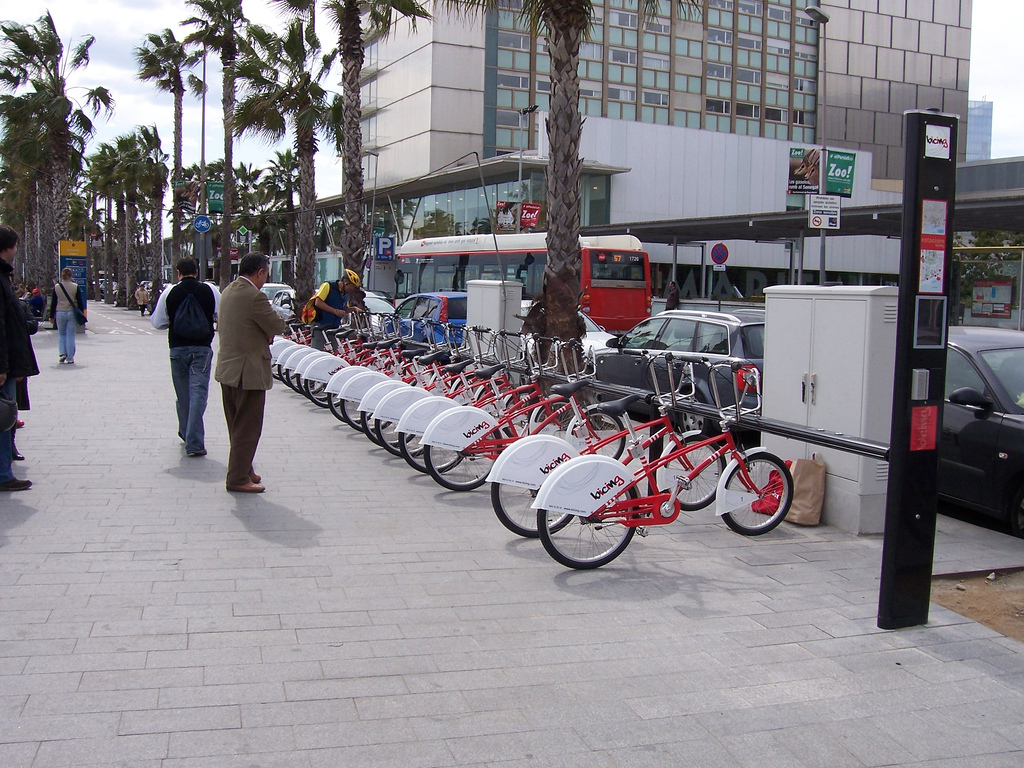
Effective utility cycling depends on safe routes, secure parking and supportive policies such as workplace facilities, bike-share schemes and maintenance of lanes. Measures that separate cyclists from fast motor traffic, control junctions, and reduce vehicle speeds help increase participation and reduce collisions. Education, enforcement and theft prevention also play important roles.
Variations and challenges
Utility cycling varies by climate, geography and urban form: dense, flat cities encourage short trips by bike, while hilly or sprawling areas present barriers. Common challenges include weather, concerns about safety, theft and the need to carry heavier loads. Innovations such as cargo bikes and e-bikes, alongside policy interventions, continue to broaden the range of practical utility cycling trips in many places, especially in urban environments.
Questions and answers
Q: What is utility cycling?
A: Utility cycling is cycling done as a means of transport rather than as a sport or leisure activity.
Q: Is utility cycling a common type of cycling?
A: Yes, utility cycling is the most common type of cycling in the world.
Q: What kind of distances does utility cycling typically involve?
A: Utility cycling generally involves travelling short and medium distances, not uncommonly 3–15 kilometers one way, or somewhat longer.
Q: Does utility cycling mainly take place in urban areas?
A: Yes, utility cycling often takes place in an urban environment.
Q: What are some examples of activities that fall under the category of utility cycling?
A: Some examples of utility cycling activities include commuting to work or school, going shopping and running errands, visiting friends and family, and engaging in other social activities.
Q: Is utility cycling a form of leisure activity?
A: No, utility cycling is not considered a form of leisure activity.
Q: Is utility cycling a recent trend?
A: No, utility cycling is the original form of cycling and has been around for a long time.
Related articles
Author
AlegsaOnline.com Utility cycling: everyday transport by bicycle Leandro Alegsa
URL: https://en.alegsaonline.com/art/103735
Sources
- yalepress.yale.edu : Bicycle: the History