
Typewriter: history, design, uses, and cultural legacy
Comprehensive overview of the typewriter: how it works, key parts, historical development, common uses, variants (manual, electric, Selectric) and its ongoing cultural significance.
A typewriter is a mechanical or electromechanical device that produces printed characters on paper by striking an inked ribbon with a movable type element. It was developed to speed up the production of documents compared with writing by hand; users press keys to transfer characters directly onto a sheet of paper rather than composing text with a pen. The basic goal of a typewriter—consistent, legible text produced one character at a time—also helped standardize business correspondence and publishing practices.
Image gallery
10 Images


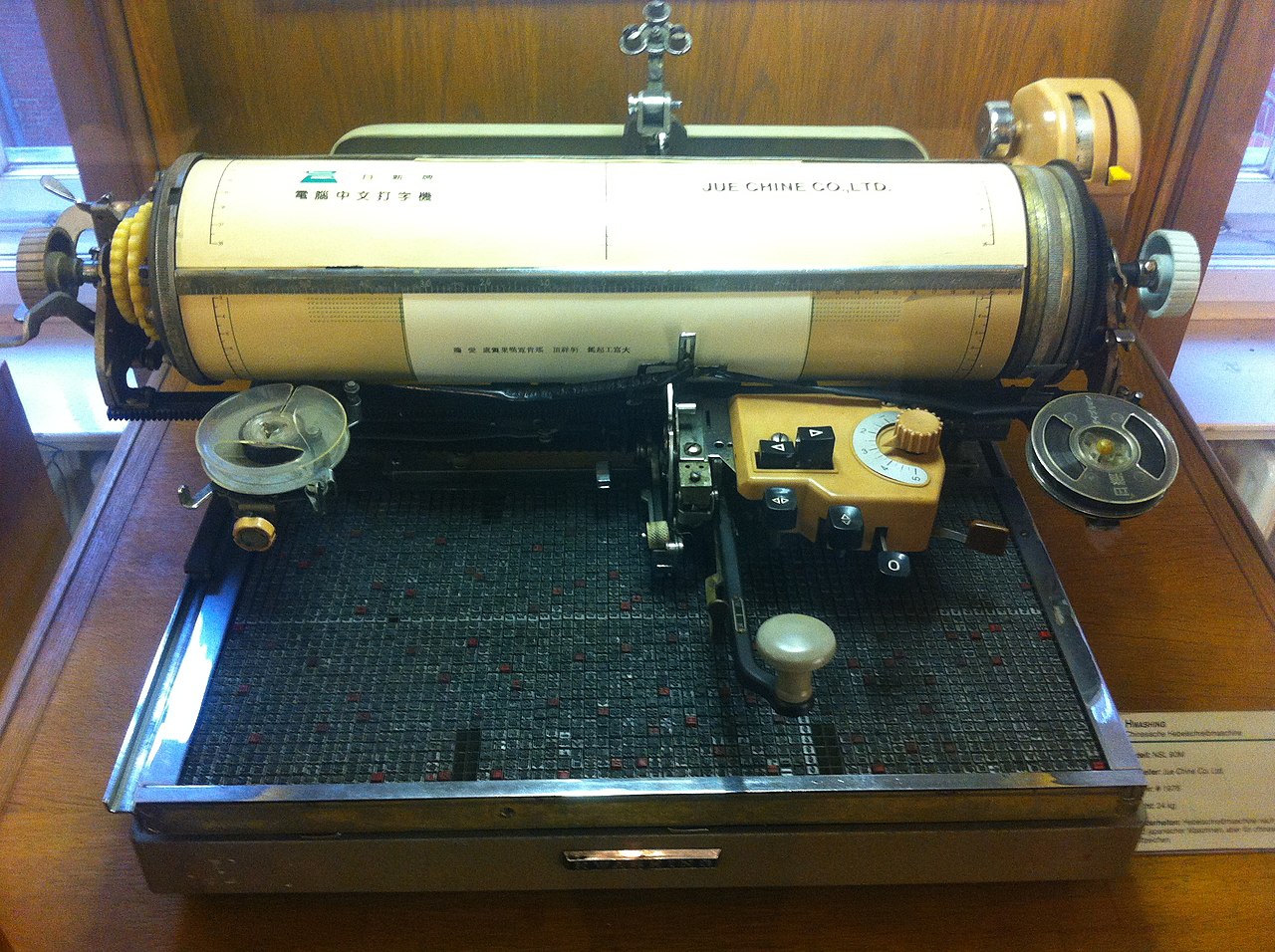

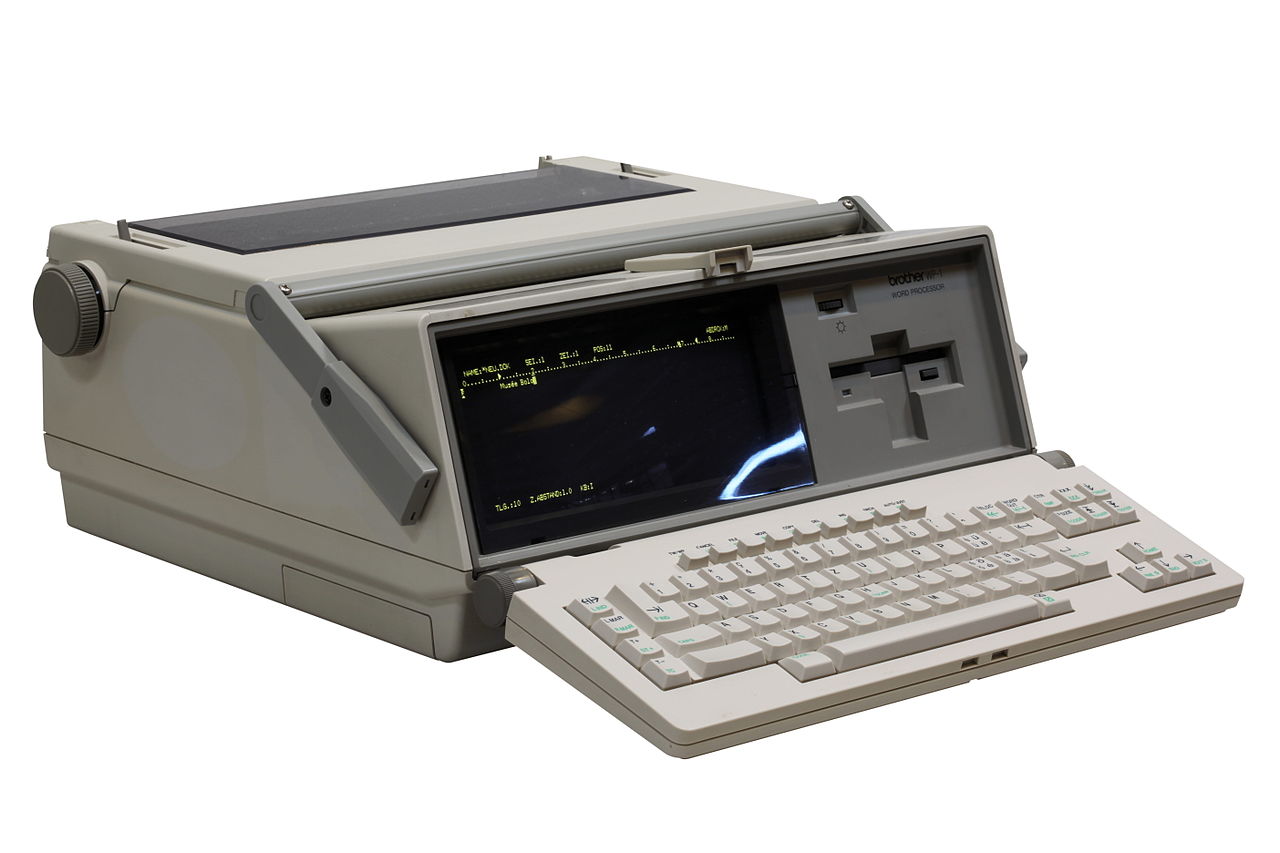
Design and main components
Although designs vary, most traditional typewriters share a common set of parts and mechanisms. Typical elements include:
- Keyboard: a set of keys that operate individual type elements or typebars.
- Type element/typebars: metal pieces bearing raised characters that strike an inked ribbon to imprint a mark on paper.
- Ribbon and ribbon spools: inked fabric or film that transfers ink when struck.
- Platen and carriage: a cylinder (the platen) holds the paper while the carriage advances, returning at line endings.
- Escapement and spacing: mechanical systems that move the carriage by fixed increments after each keystroke.
- Shift mechanism: a mechanical or electromechanical method for changing case or accessing alternate characters.
Manual models rely entirely on the operator's force and therefore do not need electricity; they also do not have electronic storage or computer memory, which affects editing and privacy characteristics compared with modern devices. Electric models add a motor to reduce the physical effort of typing and to enable higher speeds and additional functions.
History and development
Writing and inscription predate the typewriter: early human records were incised into stone, clay, or metal, and later innovations sought faster ways to reproduce text. During the 19th century inventors created various prototypes and early machines to mechanize writing. By the 1870s commercially produced typewriters became available and began to spread in offices and businesses; over the following decades improvements in durability, keyboard layout, and manufacturing made the technology ubiquitous. In the mid‑20th century electromechanical and fully electronic machines further expanded capabilities, and in the 1960s designs such as IBM's type element systems replaced traditional typebars in many workplaces.
Variants and technical distinctions
Typewriters are commonly classified by their power source and typing mechanism. Major categories include:
- Manual typewriters: mechanically driven by the user and notable for portability and independence from mains power; you do not need to plug them in.
- Electric typewriters: incorporate a small motor to assist key action and carriage movement; the motor improves typing speed and consistency.
- Typeball/element systems: use a replaceable spherical or cylindrical element rather than individual typebars to form characters.
- Electronic and daisy‑wheel devices: blend typewriter mechanics with electronic control and later added simple memory or editing features.
Each approach balances speed, repairability, noise, and ease of correcting mistakes. Historically, correcting errors on paper was difficult, and many users relied on correction fluids, erasers, or retyping pages.
Uses, decline, and cultural importance
From the late 19th century until the late 20th century, typewriters were standard equipment in offices, newsrooms, and homes for producing letters, forms, manuscripts, and business documents. They enabled carbon copies and multipart forms that were essential for commerce. With the rise of personal computers and word processors, typewriters declined sharply in mainstream use, but they remain present in specific contexts: legal and bureaucratic environments that require original signatures on typed forms, regions where electronic infrastructure is limited, and among hobbyists and collectors who value their tactile qualities.
Typewriters also have an enduring cultural footprint. They appear in literature, film, and visual art; many writers and enthusiasts prize the tactile rhythm of keystrokes and the discipline of composing without easy digital editing. There are active communities dedicated to repairing, collecting, and using vintage machines, and typewriters continue to inspire designers of retro and analog tools. These cultural communities and hobbyists form a modern analogue to earlier professional and business users and keep knowledge of the machines' operation alive.
Further reading and resources
For historical surveys, mechanical descriptions, and preservation advice, consult specialized histories and repair guides. To compare the typewriter with other forms of inscription and reproduction, see resources on writing by hand and early methods of printing. Accounts of ancient inscription techniques reference marks made in stone, clay, and metal. Discussions of privacy and editing contrast typewriters' lack of electronic storage with modern devices that use computer memory. Many hobbyist sites explain why some users prefer machines that do not need to plug them in while others restore electric models with a small motor. Communities that celebrate typewriters as cultural artefacts and artistic tools can be found among contemporary subcultures and collecting groups.
Related articles
Author
AlegsaOnline.com Typewriter: history, design, uses, and cultural legacy Leandro Alegsa
URL: https://en.alegsaonline.com/art/102361