
Unicode: a universal standard for encoding text and symbols
Overview of the Unicode standard: code points, encodings (UTF-8/UTF-16), text processing features, history, uses, and practical issues like normalization, bidi, emoji and control characters.
Unicode is a widely adopted standard that assigns a unique number to every character used in modern and many historical writing systems, together with symbols, punctuation and control codes. Maintained by the Unicode Consortium, the standard separates the abstract idea of a character (a code point) from the way it is stored or transmitted (an encoding). For an official source and further technical details, see the Unicode Consortium.
Image gallery
1 Image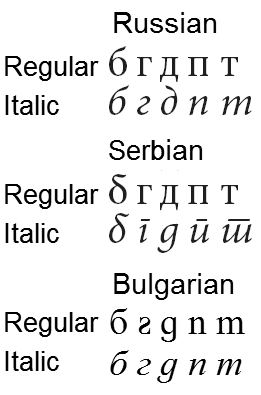
Core concepts and structure
At the heart of Unicode are code points: integer values often written in hexadecimal that identify characters. Code points are organized into planes; the most commonly used plane is the Basic Multilingual Plane (BMP). The full range of assigned code points extends beyond the BMP to allow many thousands more characters. Encodings map code points to sequences of bytes. Common encodings include UTF-8 (a variable-width, byte-oriented encoding compatible with ASCII), UTF-16 (uses 16-bit code units and surrogate pairs for characters outside the BMP), and UTF-32 (fixed-width 32-bit units). These encodings let Unicode be used in files, network protocols and memory.
Text rendering and behavior
Rendering readable text involves more than mapping code points to glyphs. Multiple code points can combine to form a single visible character: a base letter plus one or more combining marks (accents or diacritics) produce a combined appearance. The visible unit commonly treated as a character by users is a grapheme cluster, not always equal to a single code point. Unicode also defines invisible control characters that affect layout or direction; examples include newline and directional overrides—see control characters for behavior and usage. For bidirectional text, such as Arabic or Hebrew mixed with Latin, the Unicode Bidirectional Algorithm determines visual order.
History and evolution
Unicode began as a project to unify disparate character encodings and prevent the incompatibilities that hindered multilingual computing. Over time it aligned with the international standard ISO/IEC 10646 so that a single repertoire and set of code points is used broadly. The standard has evolved to add scripts, historic characters, symbols and modern additions like emoji. The Unicode Consortium coordinates proposals, assigns new characters, and publishes the Unicode Character Database and related technical reports.
Uses, examples and importance
Unicode is the foundation of internationalized software: modern web pages, operating systems, programming languages and databases assume Unicode-compatible encodings. UTF-8 has become the dominant encoding on the web because it encodes ASCII characters as single bytes while allowing every other character to be represented. Unicode also standardizes annotations used by search engines and sorting algorithms: the Unicode Collation Algorithm provides a way to compare strings across scripts. In addition, the standard supports emoji and other pictographic symbols that older encodings could not represent; vendors and fonts map these code points to graphical glyphs (emoji and symbols).
Practical considerations and notable facts
- Normalization: the same visual text can have multiple code point sequences (composed or decomposed). Normalization forms (NFC, NFD, etc.) make comparisons and searching reliable.
- Length vs. characters: functions that count bytes, code units or code points may not reflect on-screen characters; grapheme-aware processing is often needed.
- Security: visually similar characters (homoglyphs) can be abused in domain names and identifiers.
- Private use: Unicode reserves ranges for private agreements between vendors, but those code points have no standard meaning.
- Fonts and glyphs: Unicode names characters, not glyph shapes; rendering depends on fonts and shaping engines.
Understanding Unicode helps developers and content creators handle multilingual text reliably. The standard continues to expand to cover new scripts, symbols and usage patterns while providing technical rules for consistent encoding, collation and presentation across platforms and languages.
Related articles
Author
AlegsaOnline.com Unicode: a universal standard for encoding text and symbols Leandro Alegsa
URL: https://en.alegsaonline.com/art/102854