
Typographical error
A typographical error (typo) is an unintended mistake in text. This article explains common types, causes, detection and correction methods, historical context, and practical ways to prevent typos.
Overview
A typographical error, commonly called a "typo," is an unintended mistake in printed or digital text. Typos arise when the intended sequence of characters is altered, producing misspellings, misplaced punctuation, or incorrect spacing. They are distinct from deliberate stylistic choices or accepted alternative spellings and are found in casual writing, professional documents, and published materials alike.
Image gallery
4 Images


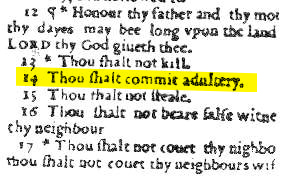
Common types
Typographical errors take several identifiable forms. Recognizing these patterns helps with correction and automated detection:
- Insertion: an extra character is added (e.g., "lettter").
- Omission: a character is missing (e.g., "recieve" missing the second "e").
- Substitution: one character replaces another (e.g., "form" instead of "from").
- Transposition: two adjacent characters are swapped (e.g., "teh" for "the").
- Repetition: characters or words are repeated unintentionally (e.g., "and and").
Causes
Typos stem from human, mechanical, and technological factors. On keyboards, finger slips and hurried typing are frequent causes. Manual typesetting and handwriting errors produced similar results before computers. Software can introduce errors via poor recognition (optical character recognition) or overzealous autocorrect routines that change correctly typed words into unintended ones.
Detection and correction
Detection combines human proofreading with automated tools. Spell-checkers and grammar checkers flag many obvious misspellings and common transpositions, while proofreading by another person catches context-dependent mistakes and homophone errors (e.g., "their" vs. "there"). Editorial workflows may use multiple review stages to reduce errors before publication.
History and notable distinctions
The concept predates digital text: early printers and typesetters documented mechanical and compositional errors. The phrase "typographical error" reflects this origin. Important distinctions include typos versus grammatical mistakes (a typo is about character-level errors, while grammar relates to structure) and typos versus deliberate stylization, such as branding that intentionally alters spelling.
Prevention and best practices
Common strategies to reduce typos include slow, attentive typing, reading text aloud, using proofreading checklists, and combining automated tools with human review. For documents where accuracy is critical, adopt a staged editing process and maintain clear style guides. Awareness of frequent personal mistakes—such as transpositions or commonly mistyped words—helps target proofreading efforts effectively.
Related articles
Author
AlegsaOnline.com Typographical error Leandro Alegsa
URL: https://en.alegsaonline.com/art/102372