
Umbrella: design, history, types and uses
Portable canopy used to shield people from rain or sun. Covers design, materials, history, variants (parasol, golf, beach), and care, with cultural and practical notes.
An umbrella is a portable canopy supported by ribs and a central shaft that shields a person from precipitation or sunlight. In everyday language the term covers devices designed primarily for rain protection as well as sunshades called parasols. Simple umbrellas range from inexpensive, lightweight plastic models to durable, weather-resistant constructions with metal or fiberglass ribs.
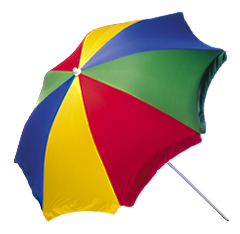
Image gallery
10 Images



Basic parts and materials
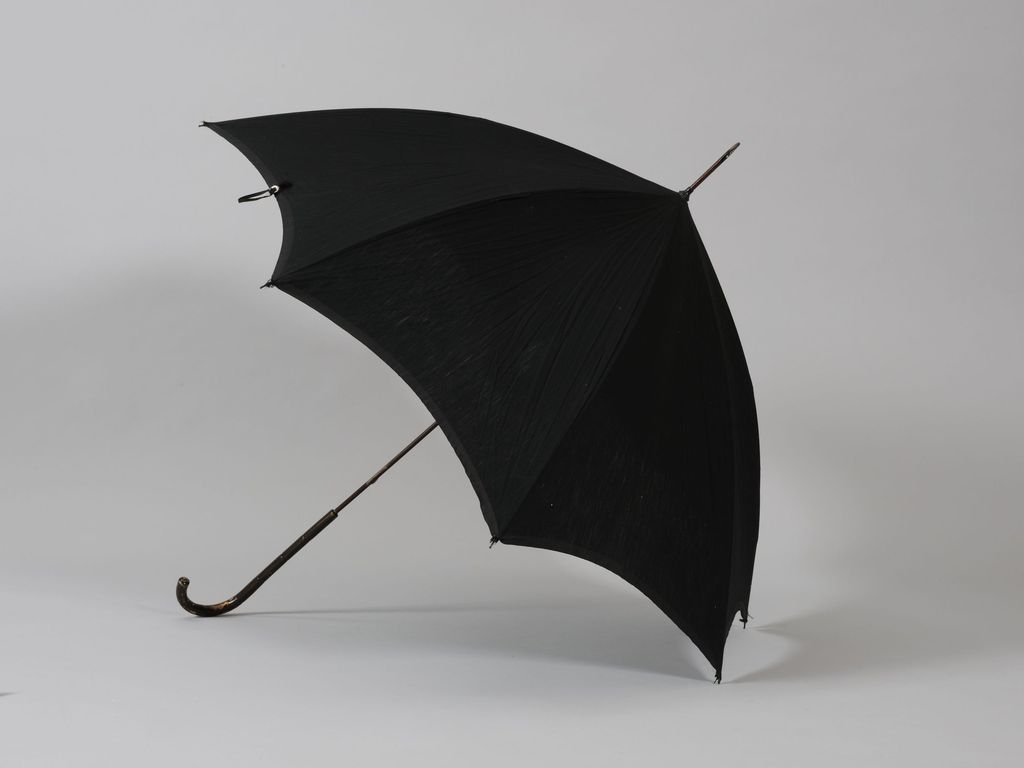
Typical components include a fabric canopy, ribs that form the frame, a shaft, and a handle. Canopies are commonly made from woven polyester, nylon, or oilcloth; older or decorative parasols used silk or cotton. Ribs and the shaft are made from steel, aluminum, wood, or modern composites. Small umbrellas collapse into a compact form while "golf" or beach umbrellas have larger, fixed frames for wider coverage. For technical descriptions and examples see umbrella designs.

History and cultural context
Portable canopies appear in the archaeological and artistic records of several ancient cultures. Parasols or shade devices were used for status and sun protection in civilizations such as Egypt, Mesopotamia and China. In Europe umbrellas for rain became more common from the 17th–18th centuries as materials and folding mechanisms developed; umbrellas later became everyday accessories and fashion items.

Uses, types and distinctions
- Rain umbrellas: designed to shed water with treated canopies; the standard everyday umbrella. See more about rain protection at rain.
- Parasols: intended to provide shade and reduce exposure to sunlight; often lighter and decorative.
- Beach and patio umbrellas: large, freestanding canopies for outdoor leisure.
- Specialized types: compact folding, automatic-open, inverted designs and windproof frames.
Care typically means drying after use, avoiding prolonged sun damage to fabrics, and storing in a closed, dry position to protect the ribs and mechanism.

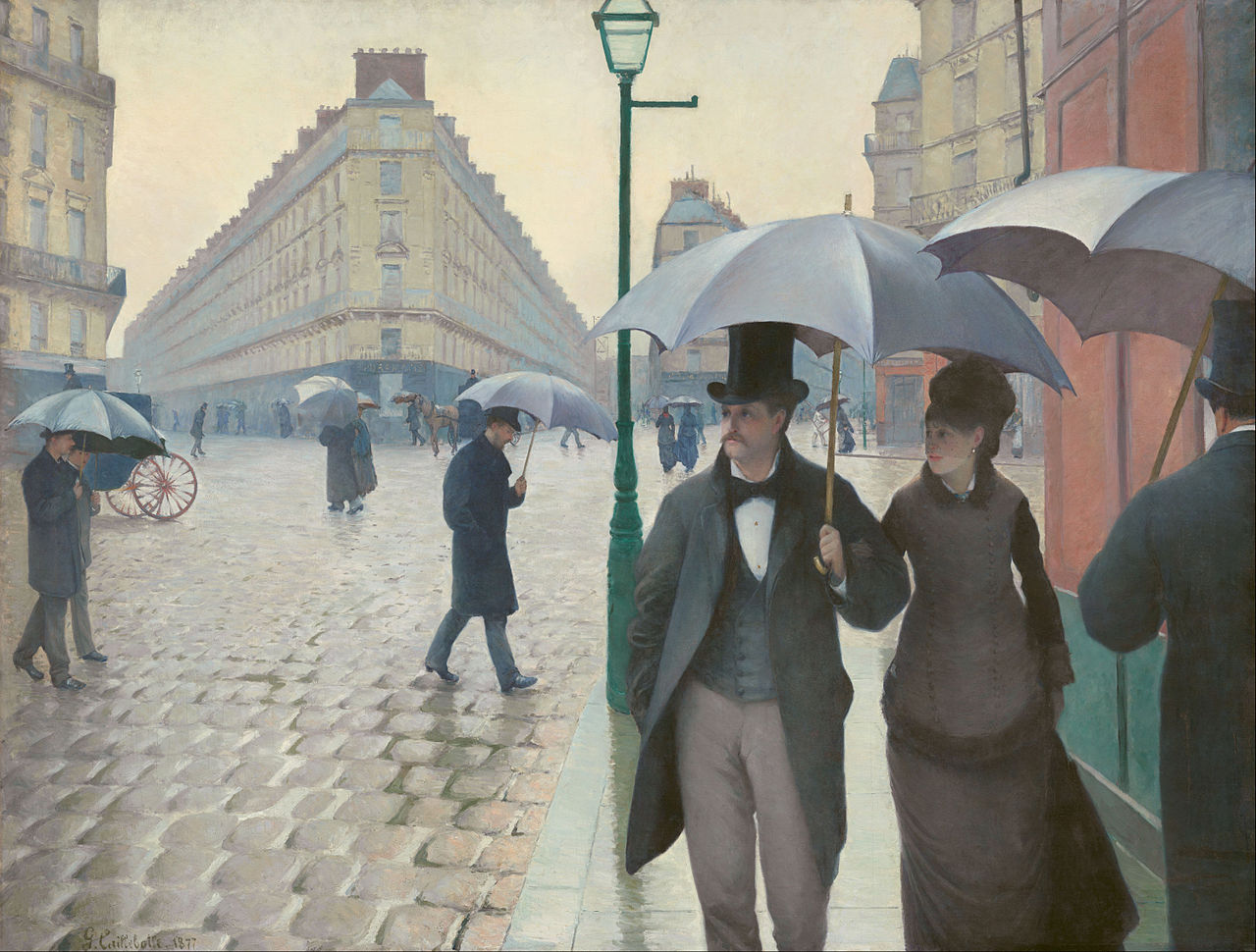
Beyond their practical role, umbrellas have symbolic and cultural significance in ceremonies, fashion and visual arts. They remain a simple but widely used tool for everyday comfort and protection against the elements.
Related articles
Author
AlegsaOnline.com Umbrella: design, history, types and uses Leandro Alegsa
URL: https://en.alegsaonline.com/art/102739