
Twelve-wired bird‑of‑paradise (Seleucidis melanoleucus)
A medium-sized bird-of-paradise from New Guinea and nearby islands, notable for the male’s twelve wire-like flank filaments, striking yellow plumes, and a distinctive vertical-perch display.
Overview
The twelve-wired bird-of-paradise (Seleucidis melanoleucus) is a medium-sized member of the bird-of-paradise family (Paradisaeidae). Males reach about 33 cm in length and are immediately recognizable for a set of twelve long, black, wire-like filaments that project from the flank plumes. The species is native to lowland forest regions of New Guinea and adjacent islands.
Image gallery
10 Images


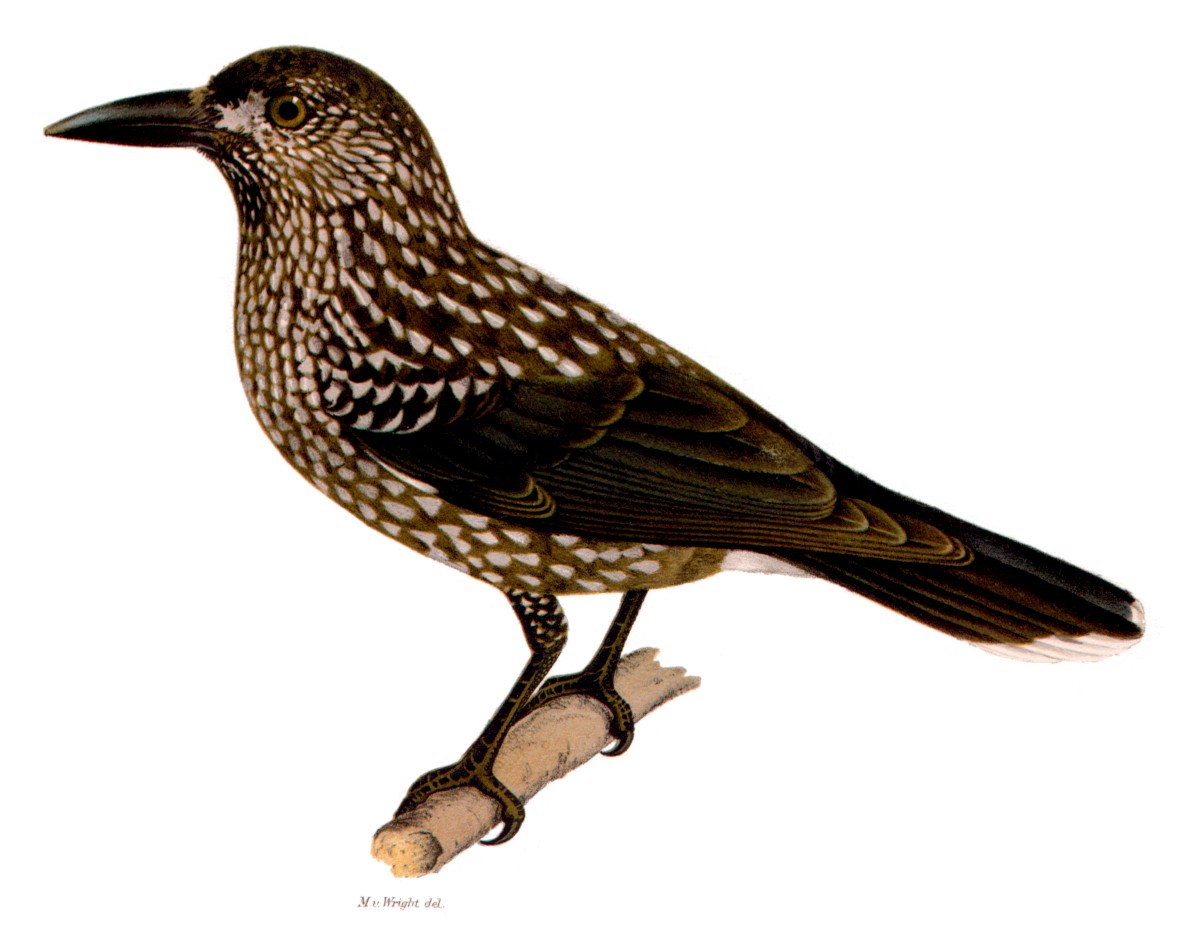


Appearance and distinguishing features
The male combines deep black feathers on the head, shoulders and wings with rich yellow plumes along the sides and belly; these flank plumes produce the dozen stiff filaments that give the species its common name. The male also has a long, hooked bill and a red to reddish iris. In contrast, the female is cryptically colored—mainly brown with buff or barred underparts—providing camouflage while nesting. Many of these anatomical points are illustrated in field guides and accounts of the bird-of-paradise family, including the shape of the bill and the role of the flank plumes.
Behavior and display
Males perform an elaborate visual display to attract females, typically on an exposed, upright perch. During display the male flares his breast and side plumes so the wire-like filaments sweep forward over the rump, creating a striking silhouette. These displays are performed alone rather than in tight leks; the presentation emphasizes posture and feather arrangement rather than complex vocal duets. As with many Paradisaeidae, sexual dimorphism is pronounced and males do not take part in nest building or chick rearing.
Diet and breeding
The twelve-wired bird-of-paradise feeds largely on fruit and various arthropods found in the forest canopy and understory. Fruit provides much of the energy needed for breeding displays, while insects supply protein for growing young. Females construct the nest, incubate the eggs and rear the chicks without help from the male, a breeding pattern common among birds-of-paradise.
Distribution, habitat and taxonomy
This species inhabits lowland and swamp forests across New Guinea and nearby islands such as Salawati in western New Guinea. It is the only species placed in the genus Seleucidis, making the genus monotypic. Its presence in the biogeographic region of New Guinea links it to a diverse radiation of birds adapted to humid tropical lowlands.
Notable facts and conservation notes
- The common name highlights the twelve long, modified flank feathers that resemble wires and are used in courtship.
- Sexual dimorphism—bright, showy males versus cryptic females—is extreme and tied to the species’ mating system.
- Like many tropical forest specialists, the species depends on intact lowland forest habitat; habitat loss can therefore affect local populations.
For further general context on birds-of-paradise and related species, consult comparative resources on the bird-of-paradise family and taxonomic summaries of the genus Seleucidis. Field guides and regional avifaunas also illustrate the bird’s distinctive plumage, bill shape and display posture.
Related articles
Author
AlegsaOnline.com Twelve-wired bird‑of‑paradise (Seleucidis melanoleucus) Leandro Alegsa
URL: https://en.alegsaonline.com/art/102225
Sources
- iucnredlist.org : Seleucidis melanoleucus
- commons.wikimedia.org : Seleucidis melanoleuca