
Trumpeter swan (Cygnus buccinator)
A very large North American swan noted for its deep, trumpet-like call, black bill and recovery from near-extinction through conservation and reintroduction programs.
The trumpeter swan (Cygnus buccinator) is the largest native swan of North America and one of the largest waterfowl species in the world. Adults are striking white birds with long necks, a straight black bill and a resonant, low-pitched call that gave the species its common name. Its size and voice make it readily distinguishable from other swans; it is widely regarded as the largest species of swan and is often cited in overviews of large waterfowl in summary lists.
Image gallery
10 Images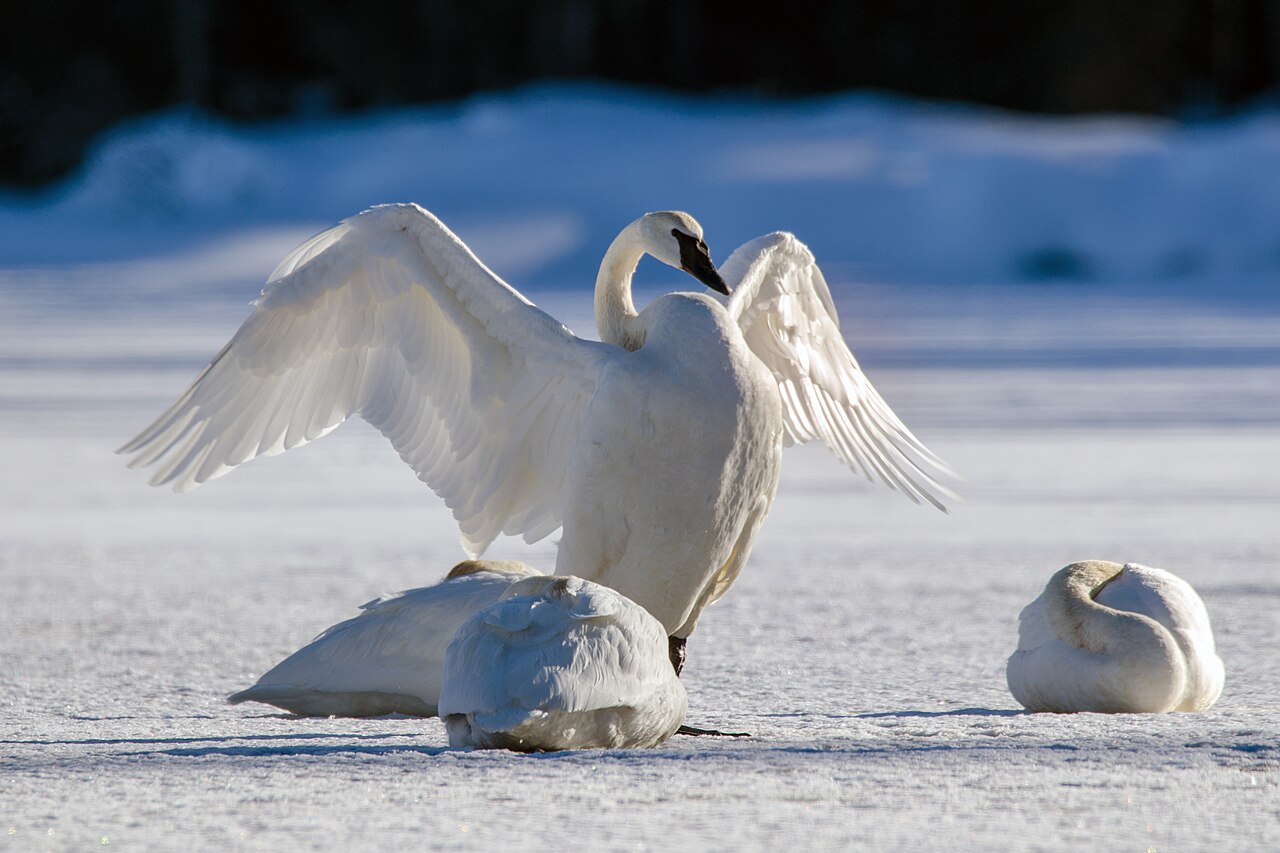




Identification and characteristics
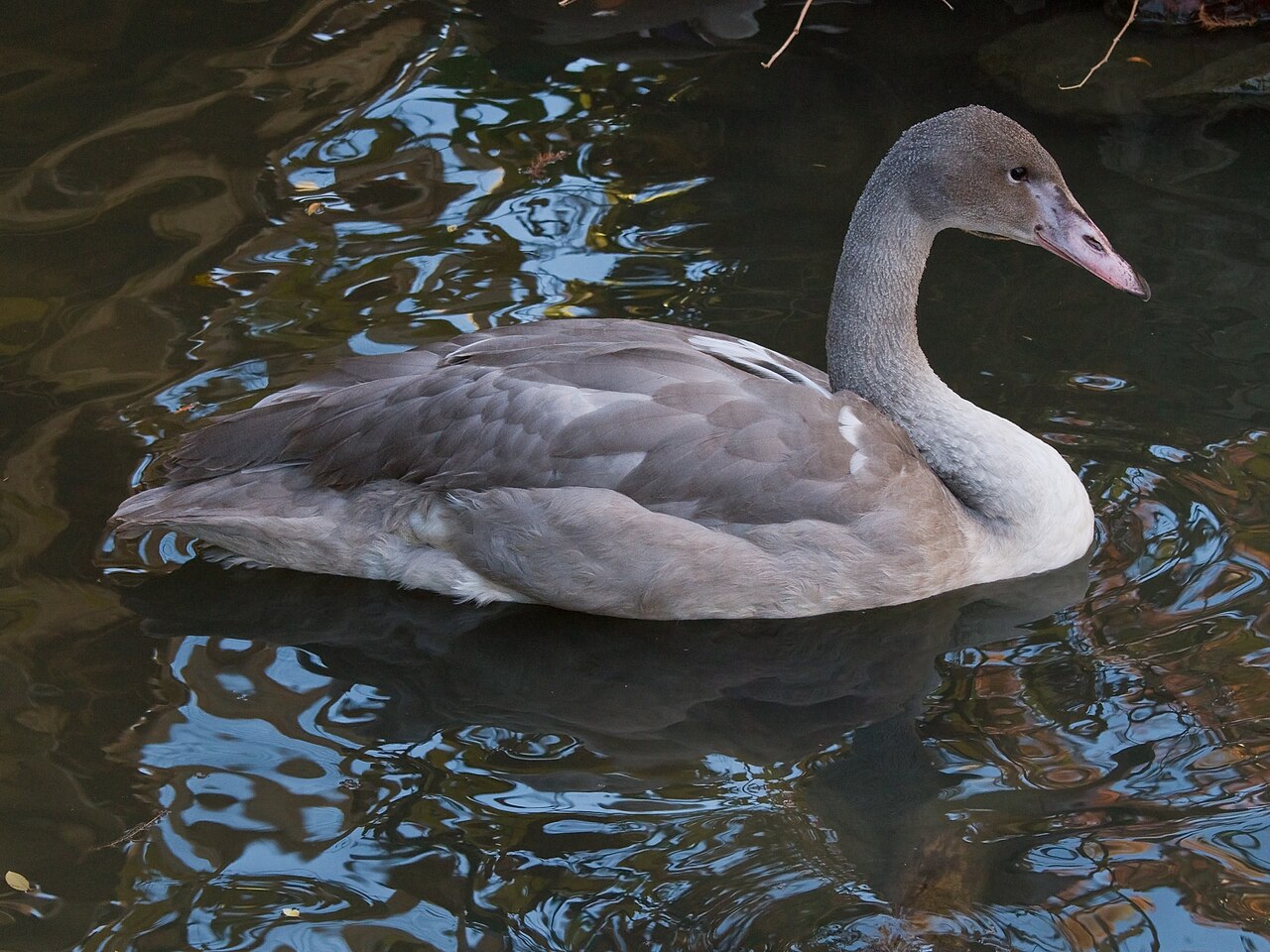
Trumpeter swans are notable for their considerable size, long neck, and entirely black bill and face patch. Plumage of adults is pure white, while juveniles (cygnets) are grayish and develop white as they mature. Typical distinguishing features include:
- Large body size and broad wingspan, making them powerful fliers.
- All-black bill and face, without the orange knob found on some other swan species.
- Deep, trumpet-like, rolling call given in flight and on water.
Range and habitat
Trumpeter swans breed across northern wetlands, shallow lakes and slow-moving rivers and are primarily associated with marshes and prairie potholes. While their historical range was much larger, today they are found mainly across parts of Canada, Alaska and the northwestern and central United States. Many populations are migratory, moving to open-water wintering sites where ice-free lakes or rivers persist. For geographic context, the species is primarily found throughout regions of North America.
Behavior and life history
Trumpeter swans form long-term pair bonds and defend territories during the breeding season. Nests are large mounds of vegetation placed at the water's edge or on small islands. Both parents share incubation duties. Their diet is mainly aquatic vegetation, supplemented by grasses and agricultural grains where available. Juveniles grow rapidly and fledge in their first year; adults can live for decades under favorable conditions.
Conservation and human interactions
Intensive hunting and habitat loss in the 19th and early 20th centuries reduced trumpeter swan numbers to dangerously low levels in many areas. Conservation actions, legal protection and targeted reintroduction programs have supported a substantial recovery in many regions, though some local populations remain vulnerable and dependent on management. The species is often highlighted as a conservation success story while also serving as a reminder of habitat sensitivity for large wetland birds.
Notable distinctions
Compared with tundra swans and mute swans, trumpeter swans are generally larger and possess a deeper voice. Tundra swans typically show a small yellow spot near the eye, while mute swans have an orange bill with a black basal knob; these differences help with field identification. The trumpeter's combination of size, black bill and distinctive call make it one of the most recognizable swans in its range.
Related articles
Author
AlegsaOnline.com Trumpeter swan (Cygnus buccinator) Leandro Alegsa
URL: https://en.alegsaonline.com/art/101814
Sources
- iucnredlist.org : "Cygnus buccinator"
- species.wikimedia.org : Cygnus buccinator
- commons.wikimedia.org : Cygnus buccinator