
Underwear: Types, Purposes, History and Cultural Roles
Clothing worn beneath outerwear. Explains purposes, common types for different genders, materials and care, historical development, and cultural or religious meanings.
Underwear refers to garments worn next to the skin beneath outer clothing. Its basic purposes are practical—protecting outer garments from sweat and oils, providing thermal insulation, and offering physical support—but underwear also serves aesthetic, hygienic and symbolic roles. Fabrics, cuts and construction vary widely to meet comfort, fashion and functional needs. For additional background see general sources on underwear.
Image gallery
10 Images


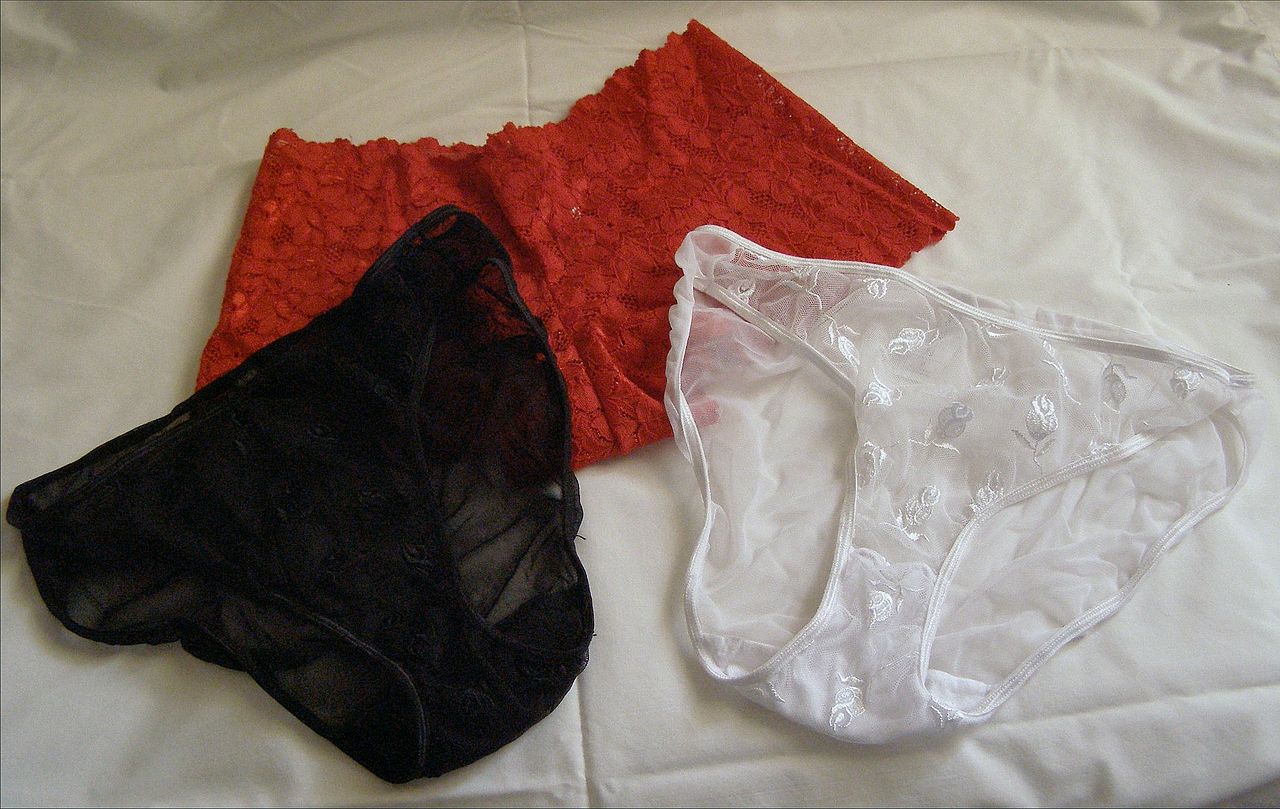
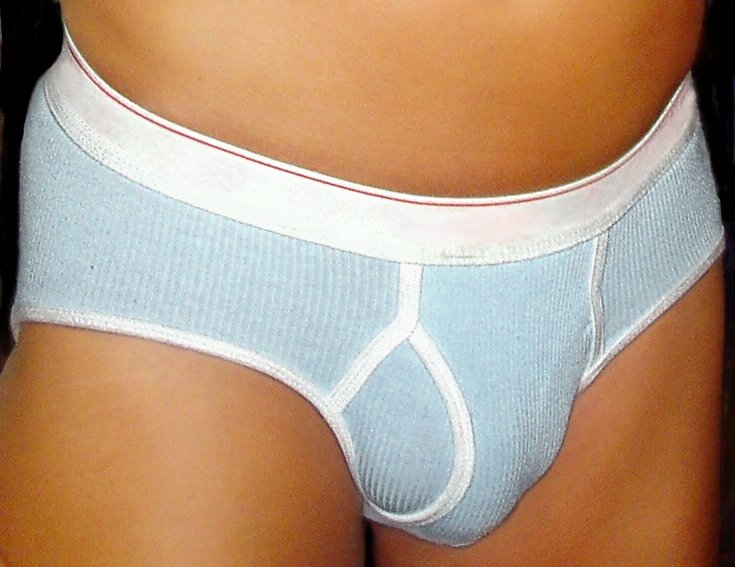


Primary functions
Underwear performs several overlapping functions. It can absorb perspiration and body oils so that outer layers stay cleaner longer; it can shape or support parts of the body, for example by offering breast support or abdominal shaping; it contributes to warmth in cool climates; and it is often chosen for modesty or to create a desired silhouette under fitted clothing. For practical considerations about hygiene and maintenance consult care guidance.
Common types and categories
Shapes and styles are diverse. The following lists show commonly worn forms, though regional and cultural preferences change over time:
- Women's underwear: brassieres (bras), panties (briefs, bikinis), slips and camisoles. Some items are designed for shaping or nursing. See examples at women's styles.
- Men's underwear: briefs, boxer shorts, trunks and boxer-brief hybrids. Athletic garments may include supportive designs. See comparisons at men's underwear types.
- Unisex or shared items: T-shirts, undershirts, thermal long underwear and some undergarments such as thongs or camis. Multifunction garments are discussed in sources like dual-purpose garments.
Some outer garments—T-shirts, slips or shorts—can serve as underwear in layered outfits or as outerwear when styled that way. Swimwear and sleepwear sometimes use the same fabrics and constructions as underwear; for guidance on crossover items see related garment types.
Materials, fit and care
Common materials include cotton, modal, silk, synthetic blends and performance fabrics that wick moisture. The choice of material affects breathability, warmth, stretch and durability. Proper fit is important: ill-fitting underwear can cause discomfort or skin irritation. Routine care—washing according to fabric recommendations, avoiding high heat when not suitable, and replacing worn elastic—extends garment life. Manufacturer and care resources are summarized at material guides and washing advice.
History, cultural and religious aspects
Undergarments have a long history; early forms focused on modesty and protection, later evolving with fashion and textile technology. In many cultures certain underclothes carry religious or ceremonial significance—particular garments or styles may be prescribed or symbolic. Anthropological and religious perspectives are treated in specialized studies; see introductions at historical and cultural studies and religious clothing.
Notable distinctions include the difference between underwear designed for function (thermal, supportive, hygienic) and underwear designed primarily for aesthetic or erotic effect. Market trends continue to blur lines as designers create multifunction and visible-underwear styles. Consumers selecting underwear typically balance comfort, health, occasion and appearance when choosing fabrics, sizes and cuts.
Questions and answers
Q: What is underwear?
A: Underwear is clothing worn under other clothes, often next to the skin, to keep them clean from sweat, shape the body and provide support for parts of it, and help keep the wearer warm in cold weather.
Q: Why do people wear underwear?
A: People wear underwear for different reasons, including protecting their modesty, making them look sexy, and providing extra support and warmth in cold weather.
Q: Are all clothes made to be worn as underwear?
A: No, not all clothes are made to be worn as underwear. While some items such as bras, panties, briefs, trunks, boxer shorts, and boxer briefs are made to be worn as underwear, others such as T-shirts and certain types of shorts can be used both as underwear and as outer clothing.
Q: What types of underwear are commonly worn by women?
A: Women commonly wear bras and panties, also known as knickers.
Q: What types of underwear are commonly worn by men?
A: Men commonly wear briefs, trunks, boxer shorts, or boxer briefs.
Q: What types of underwear are worn by both women and men?
A: Both women and men can wear T-shirts, sleeveless shirts, bikini underwear, thongs, T-fronts, and G-strings.
Q: Can some types of underwear serve as nightwear or swimsuits?
A: Yes, if made of suitable fabric, some types of underwear can double as nightwear or swimsuits.
Related articles
Author
AlegsaOnline.com Underwear: Types, Purposes, History and Cultural Roles Leandro Alegsa
URL: https://en.alegsaonline.com/art/102823
Sources
- commons.wikimedia.org : Underwear
- jewishbazaar.com : "About Tzizit"
- lds.org : "Preparing to enter the Holy Temple"
- zenegirl.com : "Underwear"
- wordspy.com : "Go commando"