
Belt (clothing): types, history, components, and uses
A belt is a band worn around the waist to support clothing, carry tools, or signal status. This article covers materials, parts, fastening methods, common types, care, sizing, and cultural uses.
Overview
A belt is a flexible band worn around the body, most commonly at the waist, to secure garments, carry items, or serve as a decorative element. As an item of clothing, it appears in many societies and age groups. Belts perform a practical role—keeping trousers and skirts in place—and an expressive role in fashion and ceremony.
Image gallery
10 Images



Parts and materials
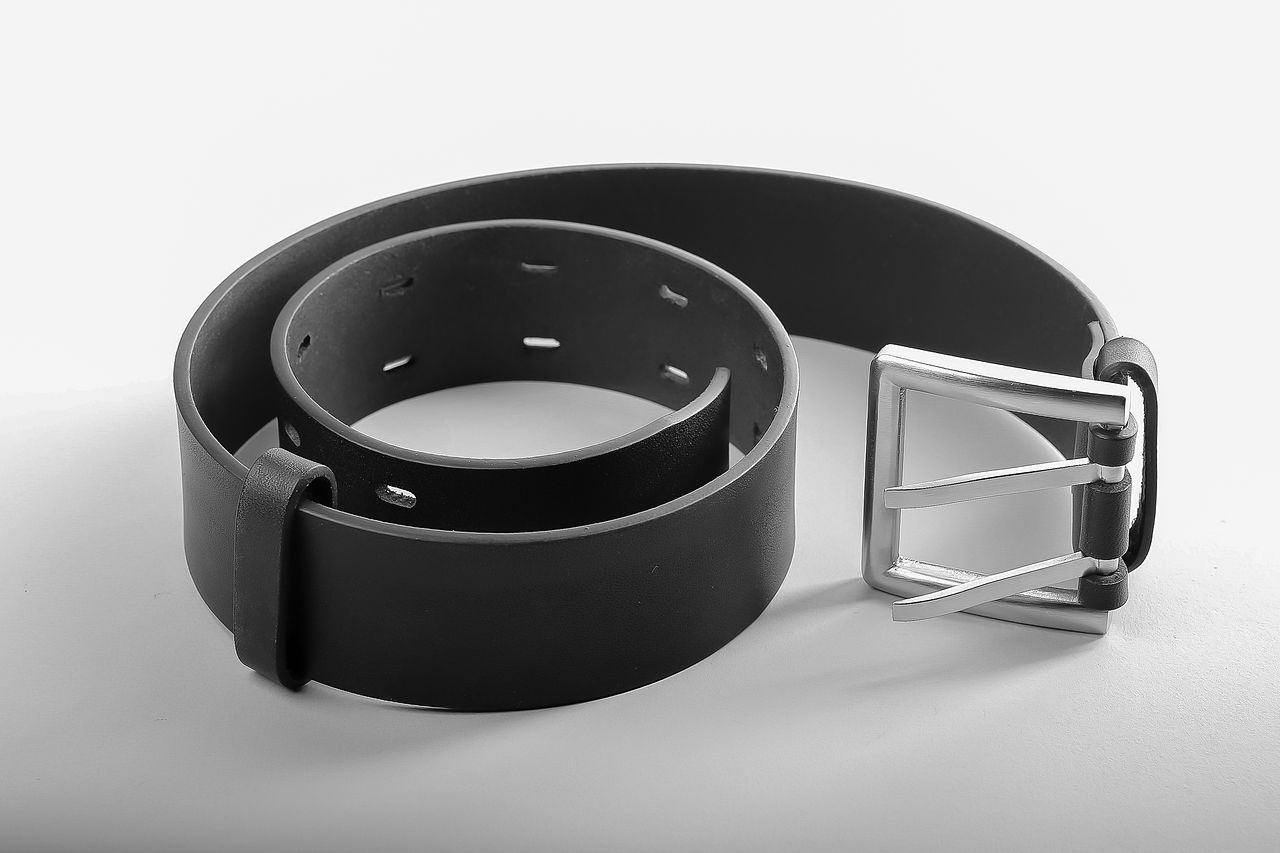
Typical belts consist of a strap and a fastening mechanism. Straps may be made of leather, woven fabric, synthetic materials, or metal links. The common fastening is a buckle, which can be simple or ornamental; older styles used pins and chapes while some modern designs use ratchets or clamps. Conventional belts have holes punched in the strap for adjustment; others use sliding buckles or elastic sections. Belts are threaded through garment loops such as those on jeans or dress pants.
Fastening types
- Pin-buckle: a prong inserts into a hole in the strap.
- Frame or plate buckles: common in fashion and uniform belts.
- Automatic or ratchet systems: offer micro-adjustments without holes.
- Snap or hook closures: used on utility belts and some casual designs.
Common types and uses
- Dress belts: Narrower, often leather, worn with suits; colors are usually neutral such as black or brown.
- Casual belts: Canvas, braided or distressed leather for informal clothing.
- Utility and tool belts: Equipped with pouches and loops for tools and equipment; widely used by tradespeople and by law enforcement such as the police.
- Ceremonial belts: Decorative pieces used in uniforms, traditional dress, or by groups that favor ornate buckles, for example certain cowboys and competitors in rodeo events.
- Specialized belts: Belts can denote rank in martial arts, and the term is also applied to safety equipment (distinct from clothing belts).
History and cultural notes
Belts are among the oldest clothing accessories, evolving from simple cords and straps used to gather garments and carry tools. Metalworking introduced buckles and decorative fittings; regional traditions developed distinctive buckle styles, ornamentation, and symbolic uses. In many cultures belts indicate social status, profession, or achievement. They have been adapted over time by both men and women, with variations in width, ornamentation, and wearing height between the hips and natural waist.
Sizing, selection and care
To choose a belt, consider width, material, buckle type, and color to match garments and occasion. A properly sized belt usually fastens near the middle holes so a range of adjustment is available. Leather belts benefit from occasional cleaning and conditioning to prevent drying and cracking; fabric belts can often be spot-cleaned or machine-washed per the manufacturer's instructions. For long-term maintenance, store belts flat or hung to avoid creasing and deformation.
Practical and fashion advice
Matching belt color to shoes is a common convention for formal wear; for casual outfits, contrast and texture are acceptable. Belts should be proportional to body size and pant style—narrow belts for dress trousers and wider styles for casual wear. When belts are used to carry items, such as pouches or holsters, attention to balance and weight distribution is important to avoid discomfort.
Distinctions and further reading
Belts differ from suspenders (braces) which lift trousers from the shoulders, and from non-clothing uses of the word such as "timing belt" or "seat belt," which are specialized mechanical or safety devices. For related topics see links on skirts, garment construction and leatherworking, or guidance about wearing belts in formal contexts under formal guidelines. Additional practical information on buying and occupational standards can be found through general fashion and safety resources about garments and equipment used by men and women.
For quick reference on common styles and when to use them, review advice for pairing belts with trousers such as trousers and jeans, and consult specialist sources for occupational belts used by professionals including the police. Historical and regional variations are illustrated in museum collections and fashion studies where examples from cowboys to ceremonial uniforms show the diversity of form and meaning.
Related articles
Author
AlegsaOnline.com Belt (clothing): types, history, components, and uses Leandro Alegsa
URL: https://en.alegsaonline.com/art/10404