
Turban (headwear)
A turban is a cloth headdress formed by winding long fabric around the head. Worn in many regions and faiths, it serves practical, social and religious roles and appears in diverse regional styles and names.
Overview
A turban is a type of headwear created by wrapping one or more lengths of cloth around the head. It appears in many cultures across South Asia, the Middle East, North Africa and beyond. Turbans are worn for varied reasons: protection from sun and dust, signifiers of social rank or community belonging, expressions of religious identity, and as elements of fashion.
Image gallery
10 Images


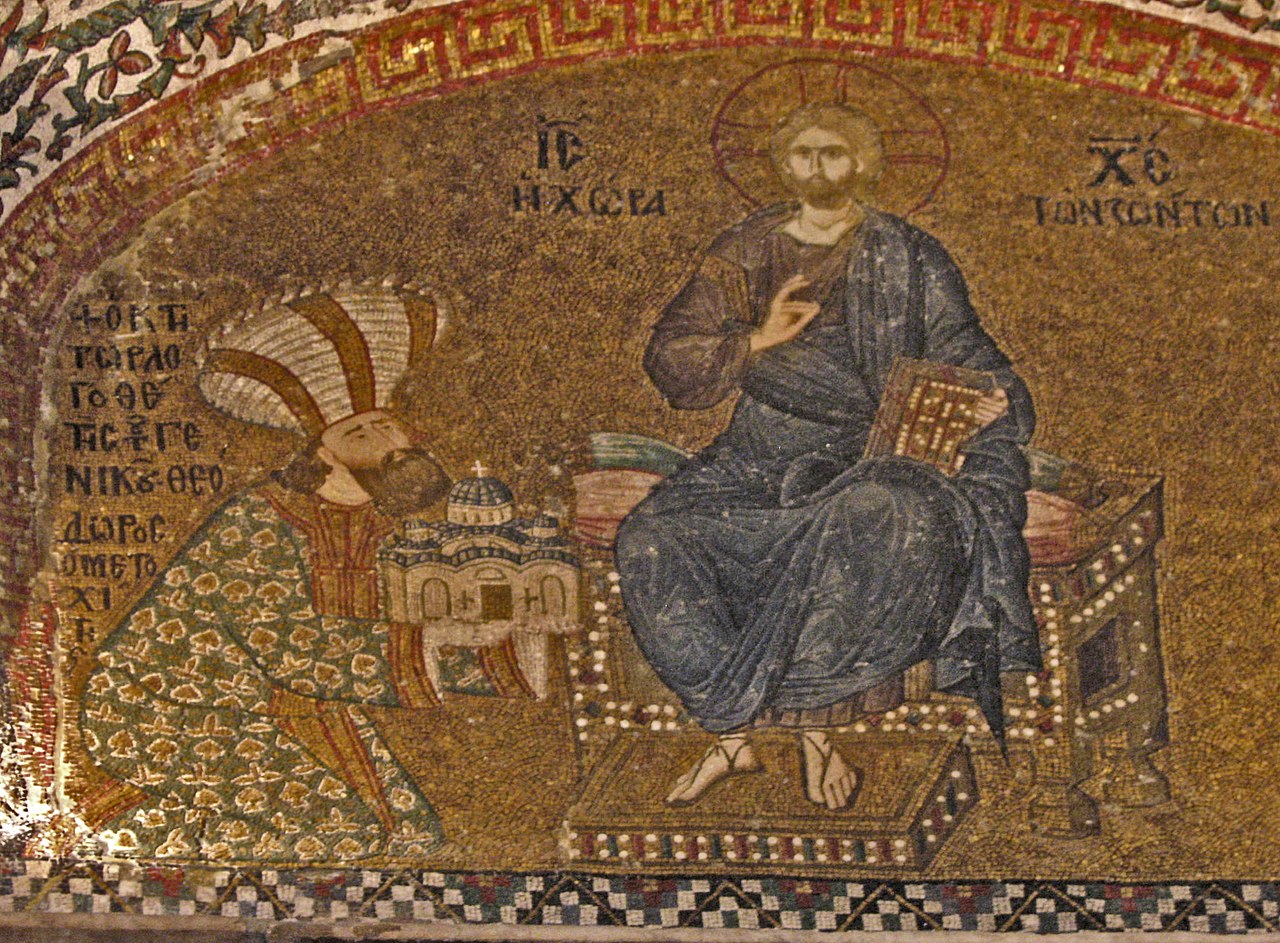


Design and common features
Typical turbans are made from cotton, wool, silk or blended fabrics. They vary in length, thickness and method of wrapping. Some have a structured inner cap to hold the wrap, while others are formed directly on the hair. Colors, patterns and finishing styles often convey regional, familial or ceremonial meaning.
History and development
Head-wrapping has ancient roots and evolved independently in multiple regions. Over centuries, styles adapted to climate, material availability and social customs. In many societies turbans became associated with leadership, learned status or membership in particular castes or communities.
Religious and social importance
In Sikhism the turban—often called a dastar or pagri—serves as an important symbol of faith and identity and is commonly worn to cover uncut hair (kesh). Turbans are also worn by Muslims, Hindus and others in different contexts, and in some places they are protected as religious or cultural dress.
Regional names and variations
- South Asia: pagri, safa, dastar — varied regional tying methods.
- Middle East and North Africa: imama, amama — often looser wraps.
- Other forms appear in West Africa and parts of Europe and are adapted to local fashion.
Contemporary use and notable facts
Today turbans appear in religious practice, ceremonial wear, and popular fashion. They can signal cultural pride and resistance to assimilation in diasporic communities. For additional perspectives and visual examples, see further resources on turbans.
Related articles
Author
AlegsaOnline.com Turban (headwear) Leandro Alegsa
URL: https://en.alegsaonline.com/art/102052