
Tuvan People's Republic (1921–1944)
A short-lived, partially recognized state in southern Siberia that existed from 1921 to 1944; closely aligned with the Soviet Union and later incorporated into it. Capital: Kyzyl.
Overview
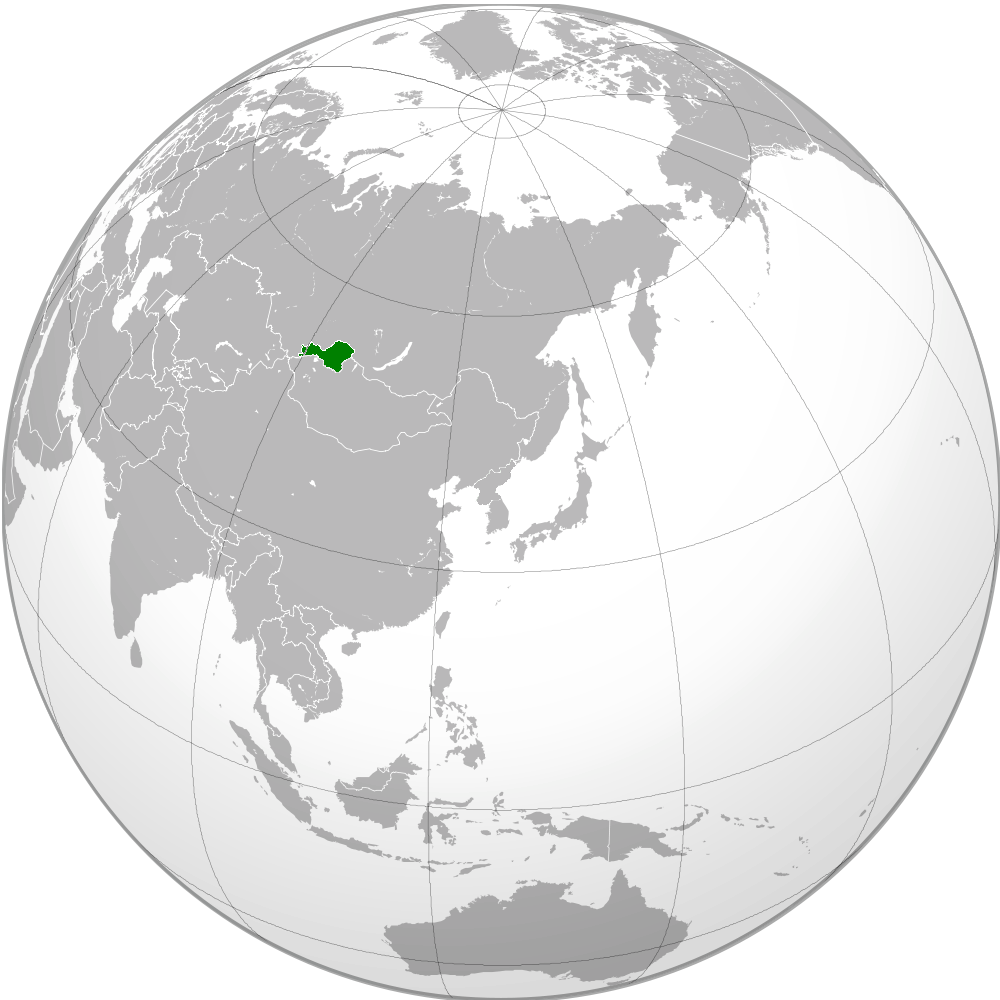
The Tuvan People's Republic was a self-declared state in the region commonly known as Tuva that existed from 1921 until 1944. Situated between the Siberian expanses of Russia and the Mongolian plateau, it maintained a distinct Tuvan identity while remaining politically and economically tied to its larger neighbors. During its existence the republic was recognized diplomatically only by the Soviet Union and the Mongolian People's Republic (Mongolia), and most historians describe it as heavily influenced by Soviet policies.
Image gallery
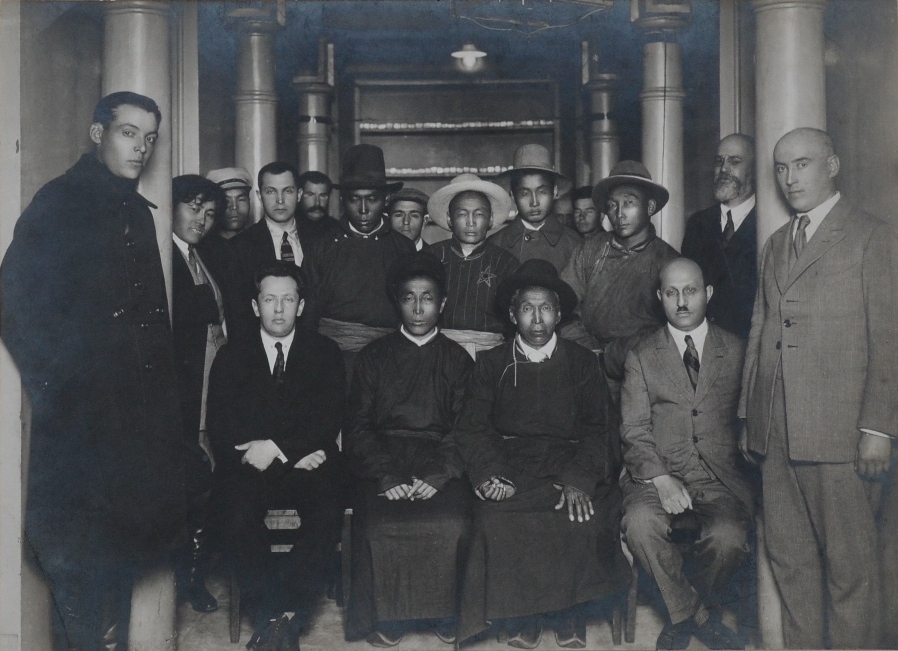
10 Images





Geography and society
Tuva occupies a largely mountainous and steppe territory in southern Siberia, bordering the Mongolian frontier. Its capital city, Kyzyl, served as the administrative and cultural center. The population was predominantly Tuvan, a Turkic-speaking people, with livelihoods that centered on pastoralism: nomadic and semi-nomadic herding of cattle, sheep, goats and horses remained the economic backbone of the region (economy). Traditional beliefs such as shamanism persisted alongside Tibetan Buddhist influences, and distinctive cultural practices—most famously throat singing and horsemanship—continued to define Tuvan life.
Government and institutions
The republic adopted governing structures modeled on Soviet institutions. A communist party and state apparatus directed policy, land use and education, and Moscow provided political guidance and material support. Although local leaders administered daily affairs, major decisions aligned with Soviet priorities and objectives. Economically and militarily the republic depended on the Soviet Union, and its foreign relations were limited to a small number of friendly states, reflecting its constrained international position.
History and incorporation into the USSR
The emergence of the Tuvan People's Republic followed the upheavals that accompanied the collapse of imperial rule in Asia and the Russian Civil War. Backed by Bolshevik forces and local revolutionaries, a Tuvan state structure was established in 1921. Over the following two decades the republic moved toward closer integration with Soviet structures. In 1944 its leadership requested incorporation into the Soviet state and the territory was absorbed as an autonomous unit within the Soviet administrative system, losing its international distinctiveness and becoming part of the Russian Soviet Federative Socialist Republic (Russia).
Legacy and later developments
After incorporation into the USSR the region underwent administrative changes—first as an autonomous oblast and later as an autonomous republic—and experienced social, economic and cultural transformations under Soviet rule. With the dissolution of the Soviet Union, the area re-emerged within the Russian Federation as the Tuva Republic (sometimes spelled Tyva) in 1992, retaining a degree of local self-government while remaining a federal subject of Russia.
Notable features and distinctions
- Diplomatic recognition: officially recognized only by the Soviet Union and Mongolia.
- Economy: dominated by nomadic livestock raising and associated trades (economic activities), including the sale of cattle and other animals.
- Location: a borderland between central Russian Siberia and Mongolia (Siberian region), now part of the Russian state (Russia).
- Capital: Kyzyl, a cultural and administrative hub.
The history of the Tuvan People's Republic illustrates the complexities of small-state sovereignty in the early twentieth century, especially in regions where great-power influence and local traditions intersected.
Questions and answers
Q: What was the Tuvan People's Republic?
A: The Tuvan People's Republic was a partially recognized state that existed from 1921 to 1944.
Q: What was it known as before 1926?
A: Before 1926, the Tuvan People's Republic was known as People's Republic Tannu-Tuva.
Q: Which were the only two states that recognized the Tuvan People's Republic?
A: The only two states that recognized the Tuvan People's Republic were the Soviet Union and Mongolia.
Q: How was the Tuvan People's Republic seen during its existence?
A: During its existence, the Tuvan People's Republic was seen as a puppet state of the Soviet Union.
Q: What was the economy of the Tuvan People's Republic based on?
A: The economy of the Tuvan People's Republic was largely based on nomads raising and selling cattle.
Q: Where was the Tuvan People's Republic located?
A: The Tuvan People's Republic was located between the Siberian part of Russia and Mongolia.
Q: What is the current status of the territory that was once the Tuvan People's Republic?
A: Since 1992, the territory that was once the Tuvan People's Republic is known as the Tuvan Republic, which is a self-governing part inside the Russian state.
Related articles
Author
AlegsaOnline.com Tuvan People's Republic (1921–1944) Leandro Alegsa
URL: https://en.alegsaonline.com/art/102189
Sources
- books.google.com : The Complete Guide to National Symbols and Emblems
- tuva.asia : Новые исследования Тувы