
Trench coat: history, design, and modern use
Long, waterproof outerwear with military origins; the trench coat evolved from 19th-century waterproof fabrics into an enduring fashion and practical raincoat.
The trench coat is a long, close-fitting outer garment originally developed to protect soldiers in wet, muddy conditions. It combines practical weatherproofing with a distinctive silhouette: a double-breasted front, a belted waist and shoulder detailing. Early makers used tightly woven fabrics to shed rain while allowing movement, and the garment later moved from military kit to civilian wardrobes as an everyday raincoat and a fashion staple. For a concise overview see more on trench coats.
Image gallery
4 Images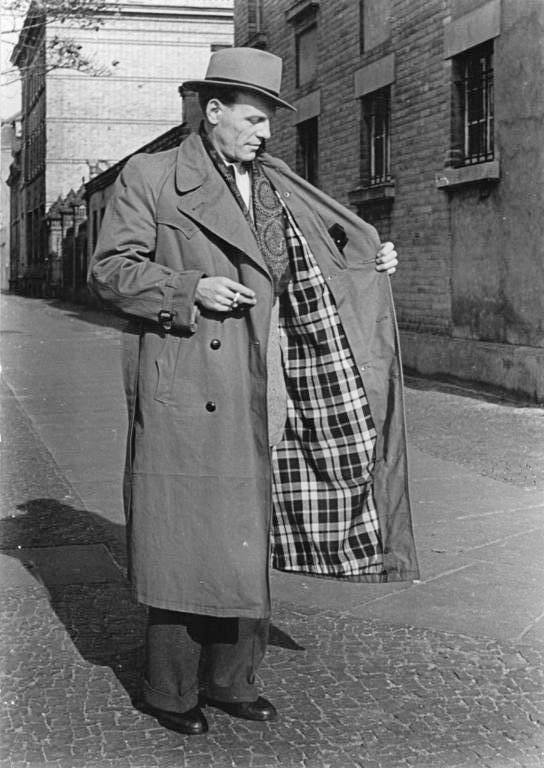


Design and key features
Although styles vary, classic trench coats share several recognizable elements. A typical example includes a storm flap across the chest, epaulettes on the shoulders, adjustable cuff straps, a wide collar that can be turned up, and a vent or slit at the back for mobility. Many are double-breasted and fasten with a buckle-and-belt system. Materials range from tightly woven cotton gabardine to wool, leather or modern synthetic blends that increase water resistance. Examples and comparisons of coat lengths and cuts are discussed here.
Origins and historical development
The trench coat’s roots lie in late 19th-century innovations in waterproof textiles and military outerwear. Brands and manufacturers adapted water-repellent fabrics to create durable overcoats for officers, and the name "trench" reflects service in trenches during the First World War, where practical protection from rain and wind was essential. The coat’s adoption by civilians accelerated after the war as surplus garments and fashionable reinterpretations entered urban closets. Read more about materials such as gabardine from this source.
Uses, cultural role, and variations
Beyond serving as practical rainwear, the trench coat occupies a prominent place in popular culture. It became associated with film noir detectives and wartime officers, and later with high-fashion houses that reworked proportions, fabrics and finishes. Contemporary variants include shorter "car" coats, lightweight packable trenches, and heavy-lined winter versions. Designers often reinterpret the coat while keeping core visual cues.
Care, selection, and notable facts
When choosing a trench, consider fabric, lining, and intended use: unlined cotton works for cool, damp weather; laminated synthetics provide stronger waterproofing; wool blends add insulation. Proper care—gentle cleaning, reproofing fabrics if needed, and avoiding prolonged damp storage—helps preserve shape and function. For guidance on styling and maintenance, consult dedicated resources or care guides here and here.
- Common lengths: full-length, mid-thigh, and knee-length.
- Typical fabrics: gabardine, cotton-poplin, wool, leather, and modern synthetics.
- Signature details: storm flap, epaulettes, belted waist, cuff straps, and double-breasted front.
Related articles
Author
AlegsaOnline.com Trench coat: history, design, and modern use Leandro Alegsa
URL: https://en.alegsaonline.com/art/101371