
Trench: forms, uses and history of long narrow excavations
A trench is a long, narrow excavation used in military, engineering, archaeological and geological contexts. Covers types (military, oceanic, utility), history, uses, safety and notable facts.
Overview
A trench is essentially a long, narrow ditch or excavation that can be created deliberately for a purpose or formed naturally. In human activity trenches appear in many contexts: as defenses on battlefields, as channels for drainage and utilities, as archaeological cuts to reveal past deposits, and as dramatic features on the ocean floor where tectonic plates interact. The basic idea — a narrow linear depression — unites these varied forms. For a concise definition see long, narrow ditch.
Image gallery
10 Images




Types and primary characteristics
Trenches differ in scale, origin and engineering. They may be shallow channels for water, deep excavations for pipelines and foundations, deliberate archaeological sections, military fortifications with dugouts and firing steps, or oceanic trenches formed by subduction. Each kind has distinctive geometry, construction techniques and hazards.
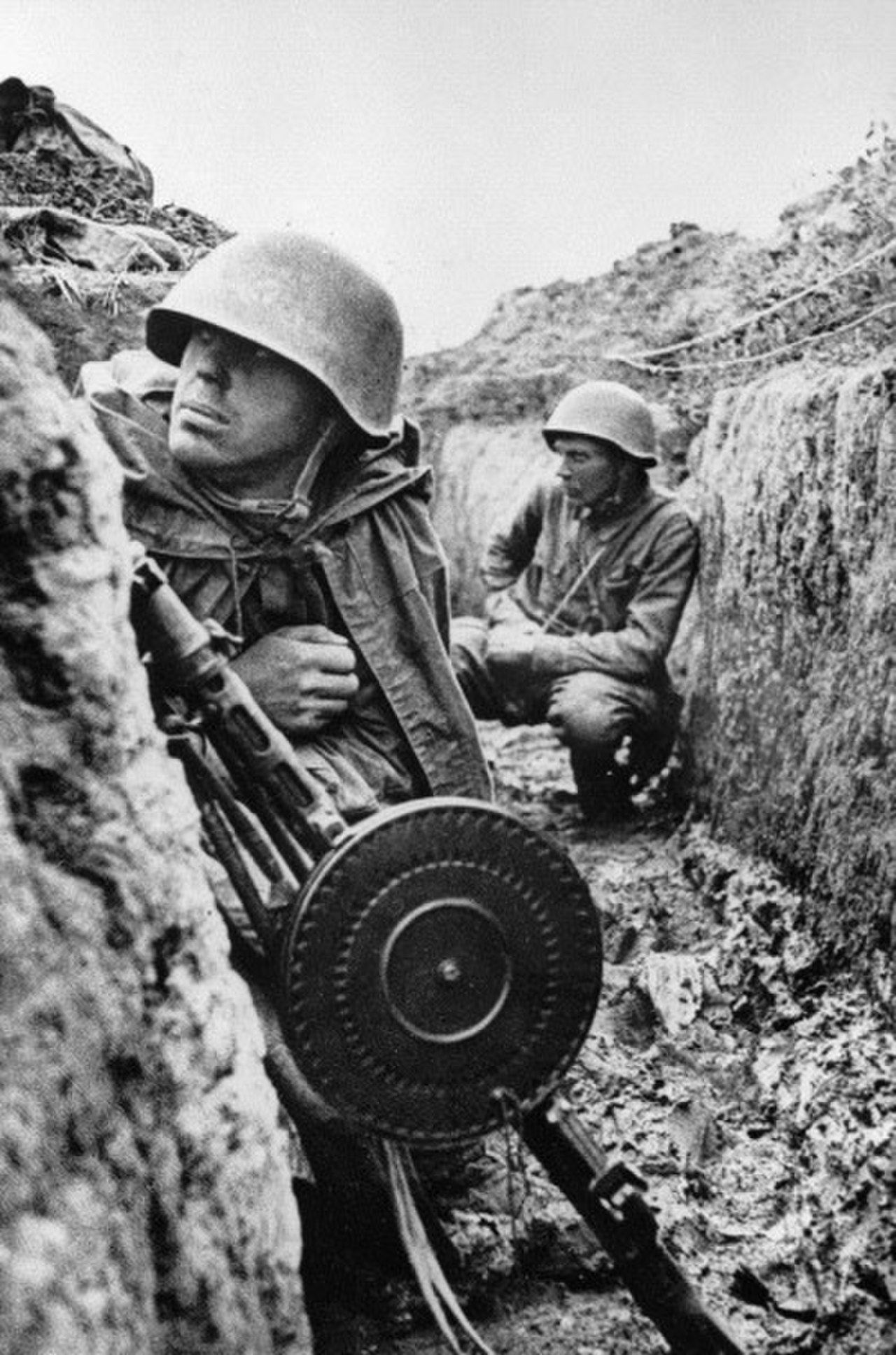
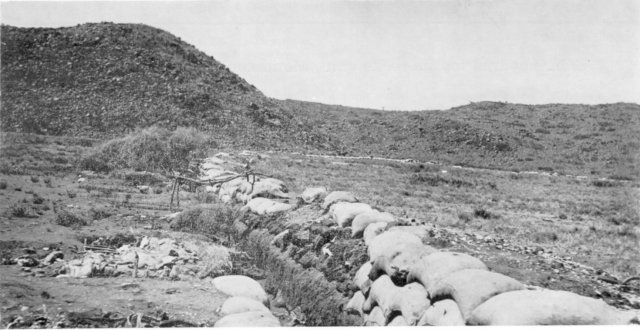
- Military trenches: Linear defensive works designed to protect personnel from fire and observation. Trench systems often include parapets, revetments, communication trenches and "no-man's-land." See also trench warfare.
- Oceanic trenches: Very deep, narrow depressions in the seafloor associated with plate tectonics; the Mariana Trench is the best-known example and is regarded as the deepest known oceanic trench.
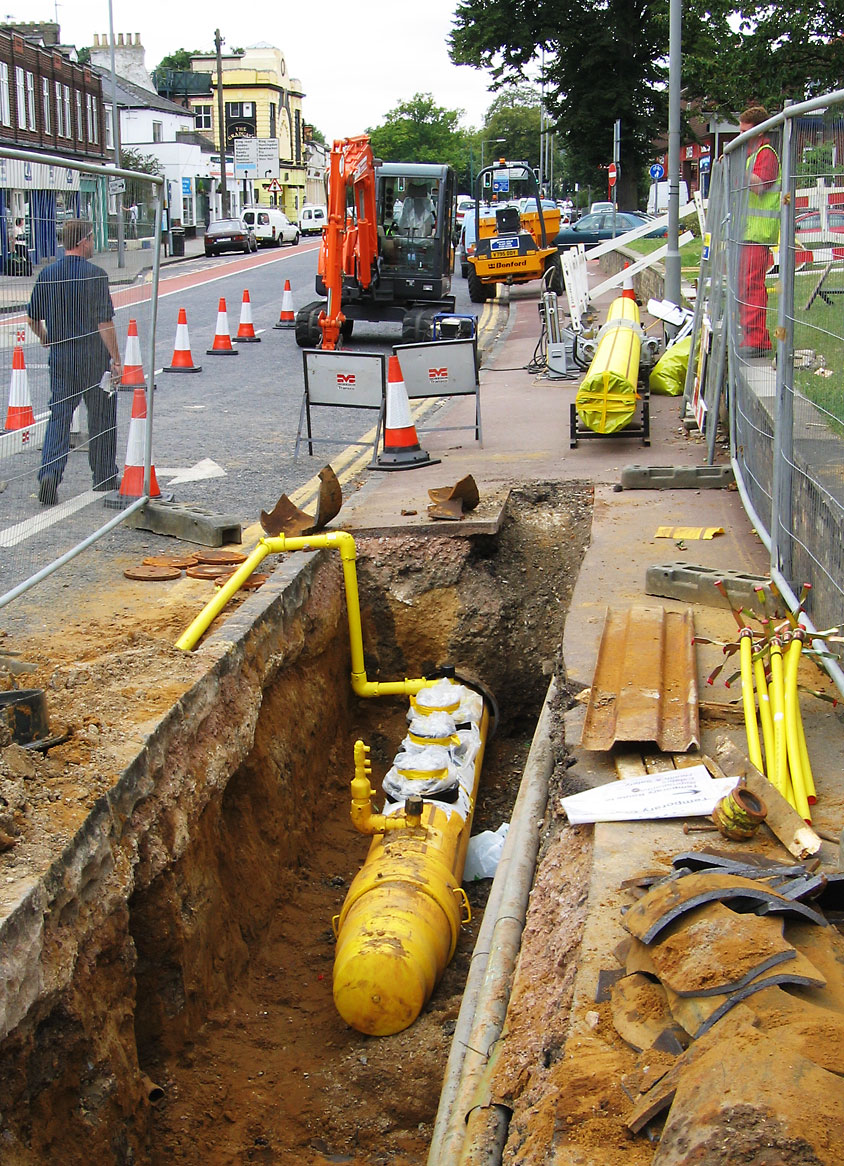
- Utility and drainage trenches: Excavations to lay pipes, cables or to convey water away from structures. These are usually engineered to safe slopes or shored to prevent collapse.
- Archaeological trenches: Deliberate sectional cuts that expose stratified remains to study human activity and chronology.
History and cultural notes
Ditches and trenches have been used for millennia in fortification and irrigation. The extensive, static trench systems of the First World War are particularly famous for changing perceptions of modern warfare by producing prolonged frontal stalemates, muddy conditions and new approaches to logistics and medicine. The civilian garment known as the trench coat takes its name from the coats worn by officers in those conflicts and reflects that military origin. The role of trenches in warfare also helped shape 20th-century engineering and battlefield medicine.
Uses, engineering and safety
Trenches are indispensable in construction and utilities because they provide a direct route for services and foundations. Proper design addresses slope angle, shoring, groundwater control and safe access. Collapse of an unsupported trench is a well-known hazard; modern practice therefore emphasizes protective systems, monitoring and regulated procedures. In archaeology, trenches are planned to preserve context while revealing deposits for study.
Notable distinctions and importance
Although the same word applies across domains, a "trench" in geology implies plate-boundary processes and great depths, while in engineering it implies temporary excavation and human-made safety controls. Trench warfare and the trench coat are two cultural legacies of military trenches that entered public consciousness, with historical consequences that remain subjects of study and commemoration. For further reading on related topics see discussions of trench systems and military history in the context of World War I.
Questions and answers
Q: What is a trench?
A: A trench is a long, narrow ditch.
Q: Why is trench warfare often used in defense?
A: Entrenched soldiers can be somewhat safe from enemy fire.
Q: What impact did trench warfare have on World War I?
A: Trench warfare made World War I longer than expected.
Q: How did the trench coat get its name?
A: The trench coat got its name from trench warfare.
Q: Are there different types of trench?
A: Yes, there are several kinds of trench.
Q: Can you give an example of a situation where trench warfare might be utilized?
A: Trench warfare might be utilized in a situation where a military force is defending their position against an attacking force.
Q: What advantage does trench warfare provide to the soldiers who use it?
A: Trench warfare provides some level of protection for soldiers who are defending their position.
Related articles
Author
AlegsaOnline.com Trench: forms, uses and history of long narrow excavations Leandro Alegsa
URL: https://en.alegsaonline.com/art/101374