
Tonka bean (Dipteryx odorata): description, uses and regulation
The tonka bean is the seed of Dipteryx odorata, valued for a sweet, vanilla-like aroma and used in perfumery and flavoring; it contains coumarin and is regulated in some countries.
Overview
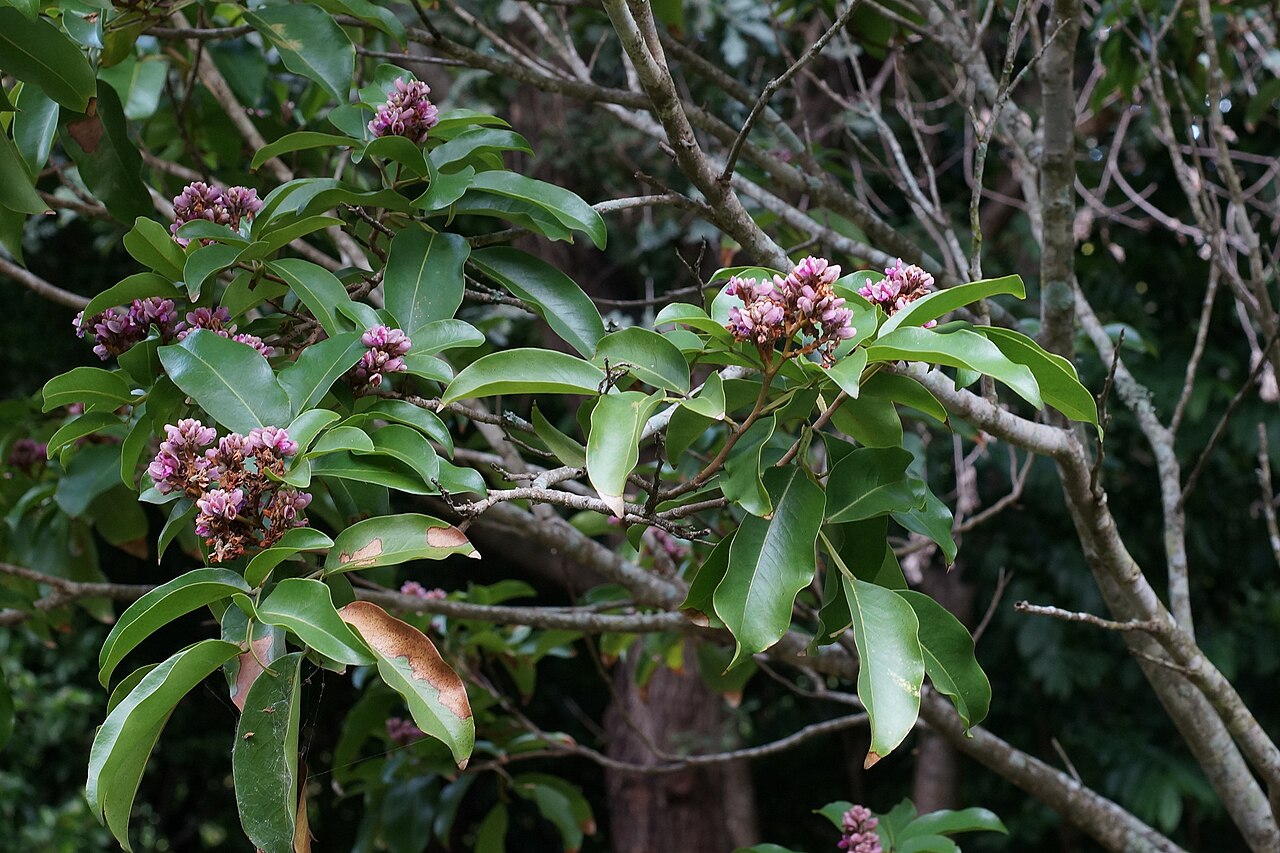
The tonka bean is the seed of Dipteryx odorata, a large neotropical flowering tree in the pea family. Botanically placed in Fabaceae, this tree produces hard pods that contain one or more glossy seeds commonly called tonka beans or fève tonka in French. The seeds are notable for their intense, warm aroma that combines notes often described as vanilla, almond, and freshly mown hay.
Image gallery
4 Images

Characteristics and chemistry
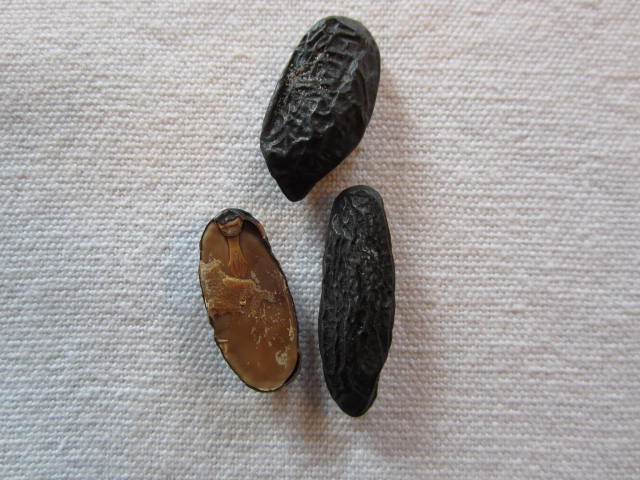
Tonka beans are typically dark and creased on the outside, with a black, wrinkled shell that encloses a smooth brown interior. Their scent develops during drying and aging, and it is largely due to coumarin, an aromatic compound present in relatively high concentrations. Coumarin gives the beans their sweet, hay-like fragrance but has also led to regulatory controls because of potential health concerns when consumed in large amounts.
History and origin
Native to parts of northern South America and the Caribbean, tonka beans have been collected and used by local communities for centuries. European traders introduced them to broader markets, and the beans became prized as a flavoring and fragrance ingredient in perfumery, tobacco blends, and confections where available. Harvesting involves removing seeds from ripe pods, drying them, and often allowing a period of storage to deepen the aroma.
Uses and importance
- Perfumery: used as a base note for its warm, long-lasting sweetness.
- Culinary applications: employed as a vanilla substitute or accent in some cuisines, though its food use is restricted in some jurisdictions because of coumarin.
- Fragrance and tobacco: added to scented products and premium tobacco for complexity.
- Traditional uses: employed locally for aromatic and occasional medicinal purposes in some cultures.
Regulation and notable distinctions
Because coumarin can be toxic at high doses, some countries limit or prohibit the use of tonka beans as a food additive. Nevertheless, they remain legal and widespread in non-ingestible applications such as perfumes and cosmetics. Tonka beans are often compared to vanilla for their sweet profile, but they differ chemically and in intensity; they are used sparingly to add depth rather than to replicate vanilla exactly.
For further reading on the species, aroma chemistry, and regulatory status, consult botanical and food-safety sources that cover tree biology and Fabaceae family traits, as well as dedicated perfumery and food regulation references. Additional background material is available through specialist links and guides on cultivation and trade practices.
Related articles
Author
AlegsaOnline.com Tonka bean (Dipteryx odorata): description, uses and regulation Leandro Alegsa
URL: https://en.alegsaonline.com/art/100548