
Trichome: Plant Surface Hairs — Types, Structure, and Biological Roles
Trichomes are hairlike outgrowths from plant epidermis. This article explains their forms, functions, evolutionary roles, economic importance, and notable examples.
Trichomes are microscopic to macroscopic hairlike structures that arise from the epidermis of plants. They occur on leaves, stems, flowers and seeds and vary widely in shape, size and function. Some are simple unicellular hairs, others are multicellular or branched, and a major distinction is between non-glandular trichomes (mechanical or insulating hairs) and glandular trichomes (specialized secretory structures). Trichomes appear on the plant surface where they influence interactions with light, water and organisms; they are commonly visible on leaves and stems.
Image gallery
10 Images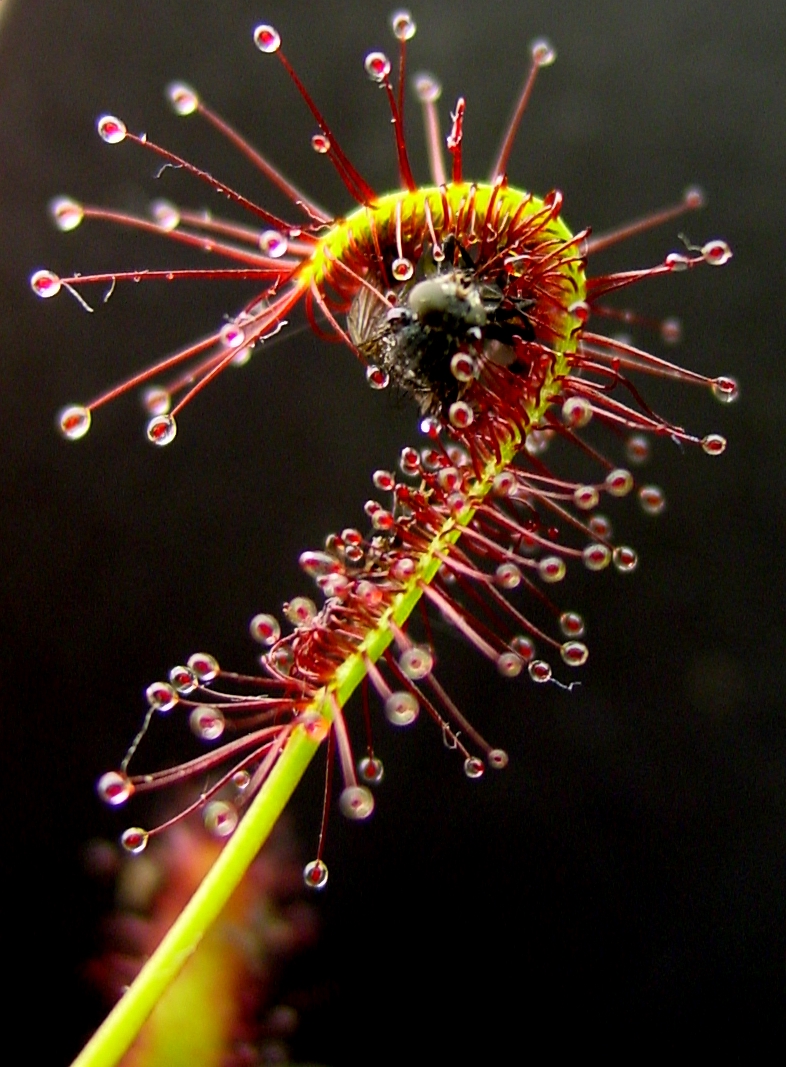





Structure and classification
At the cellular level trichomes are extensions of epidermal cells. They may be:
- unicellular or multicellular;
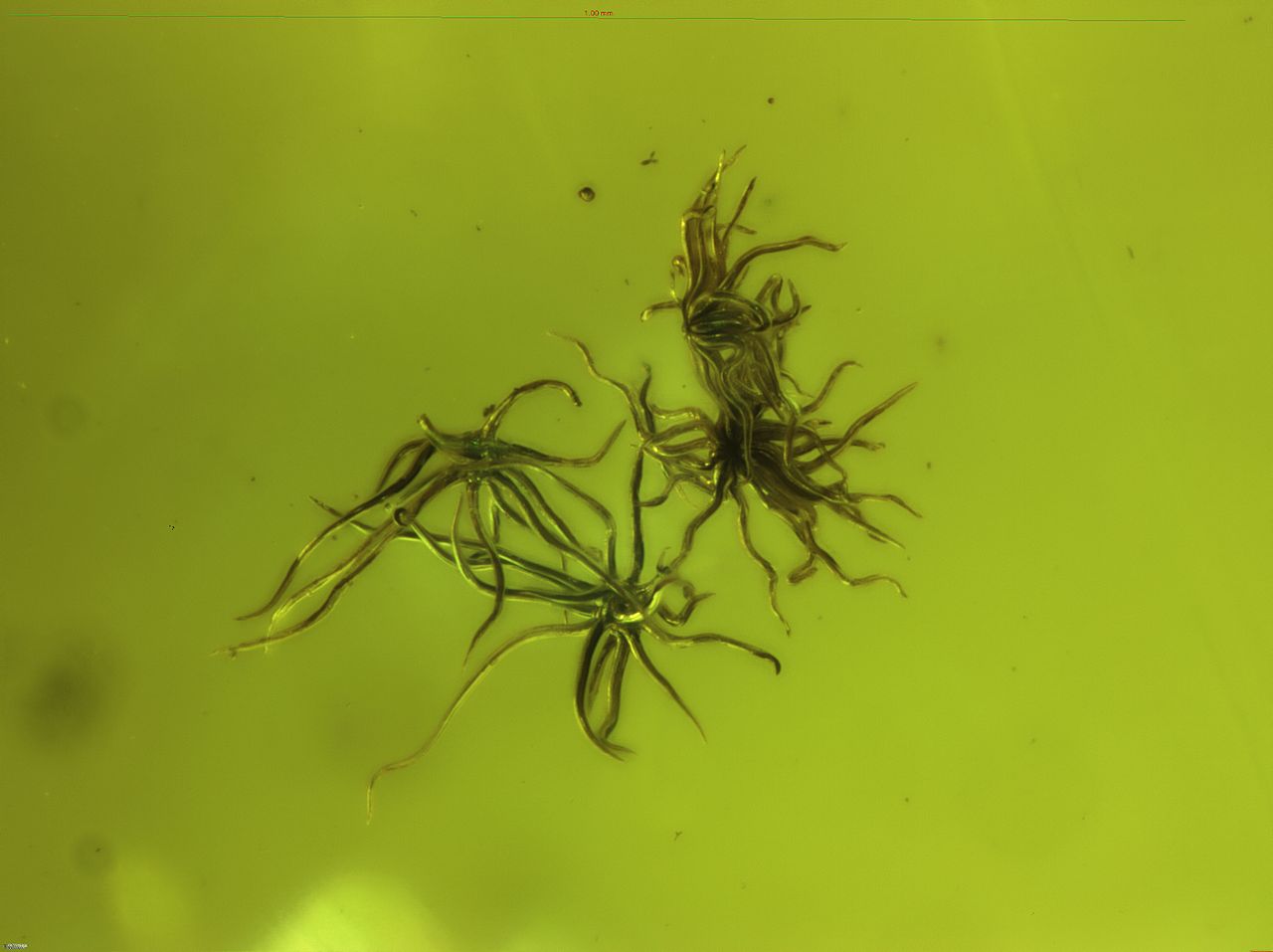
- simple (unbranched) or branched, including stellate (star-shaped) forms;
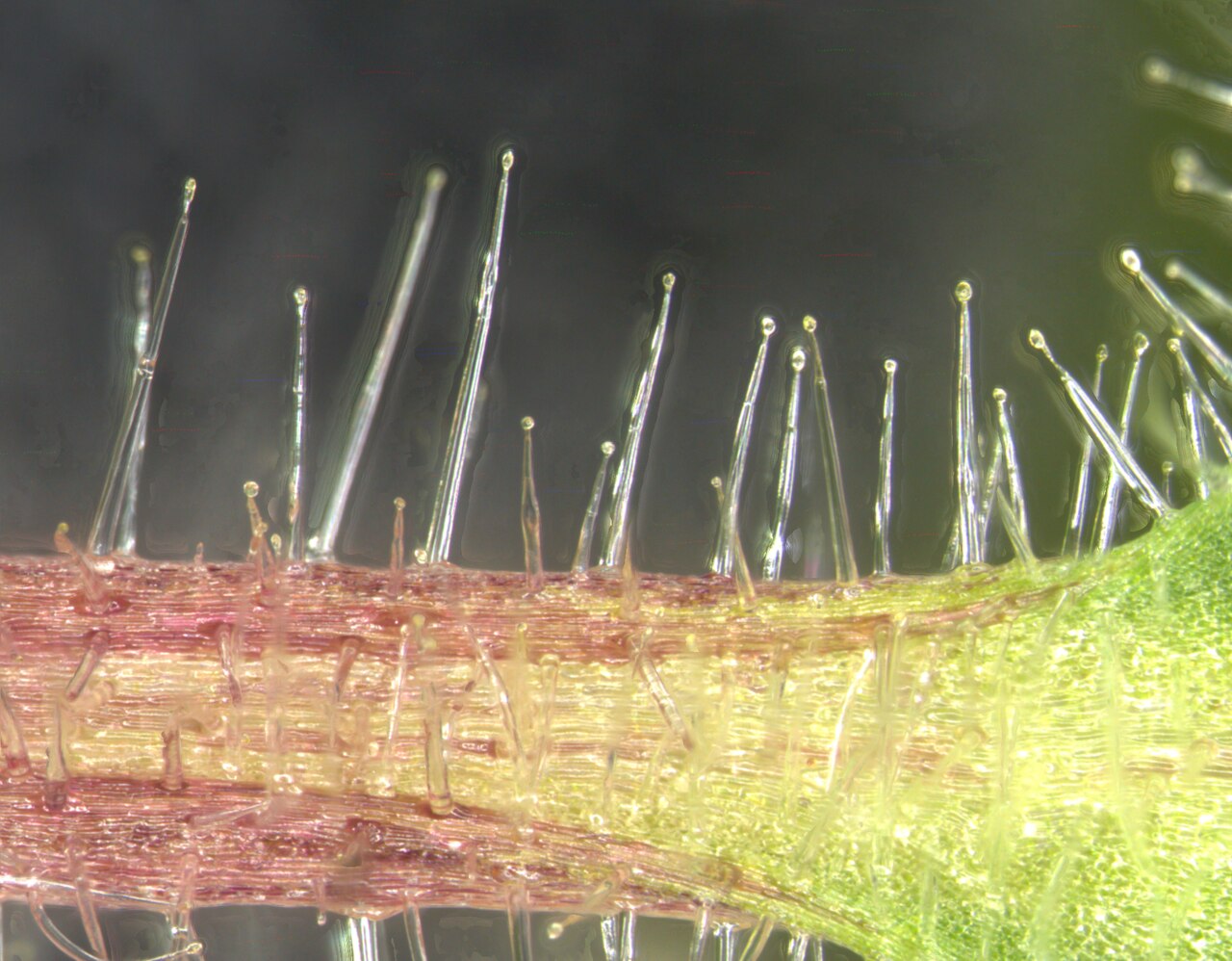
- glandular, containing secretory cells or a glandular head, or non-glandular, which serve mainly physical roles.
Specific types have names tied to form and function: eg. peltate glandular trichomes with a flattened glandular head, hooked trichomes that deter herbivores, and long single-celled hairs like cotton fibers that are specialized seed trichomes. Model species such as Arabidopsis and agricultural plants have helped define these categories.
Functions and ecological roles
Trichomes perform a suite of ecological and physiological tasks. They can reduce evaporation and lower leaf temperature by increasing the boundary layer, reflect excess solar radiation, and slow wind across the surface. Many provide mechanical protection by making leaves less palatable or harder to grasp. Glandular trichomes secrete volatile oils, resins or other compounds that deter herbivores, attract predators of pests, or protect against pathogens. Well-known examples include stinging hairs of nettles that inject irritants and the resinous trichomes of some aromatic herbs.
Evolutionary and practical importance
Trichomes have evolved repeatedly across plant lineages as adaptive responses to drought, herbivory and high radiation. They are important in ecology, plant breeding, and industry. Cotton fibers are commercially harvested seed trichomes; essential-oil producing trichomes are the focus of perfumery and flavor production. In crops, breeding or engineering trichome traits can improve pest resistance or alter surface chemistry. Research into trichome development also informs basic plant developmental biology.
Examples, study and applications
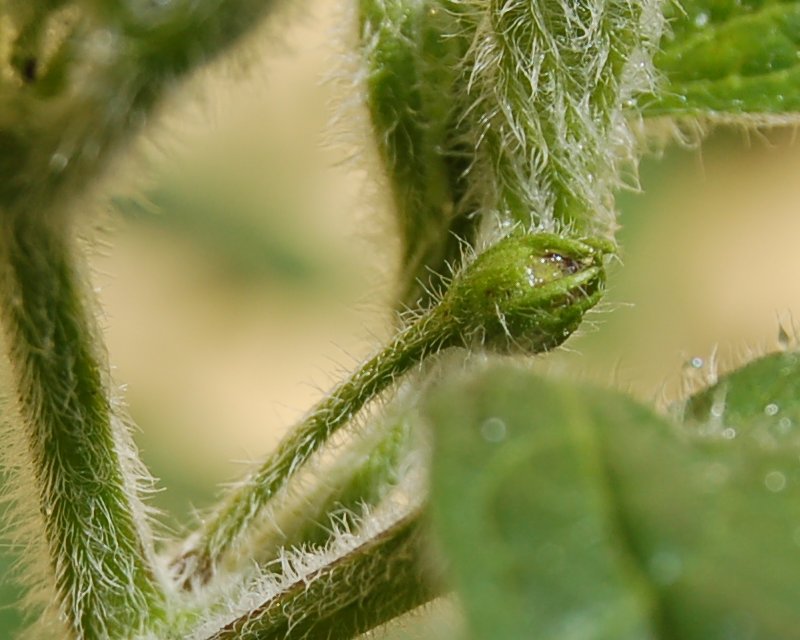
Common examples illustrate trichome diversity: the sticky glandular hairs on tomato and mint, the dense woolly hairs of lamb's ear that give leaves a silvery appearance, and the crystal-tipped stinging hairs of nettles. Scientists study trichomes using microscopy, genetic analysis and chemical profiling to identify secreted compounds and underlying regulatory genes. Applied uses include breeding for natural pest resistance, producing plant-derived compounds, and industrial fiber production.
Notable distinctions and facts
- Glandular trichomes release chemical defenses on rupture or continuously secrete secondary metabolites; these substances include terpenes and phenolics in many species.
- Not all surface hairs are trichomes in the strictest sense; some seed or fruit appendages serve in dispersal rather than protection.
- Because trichomes mediate many plant–environment interactions, they are a target of ecological, agricultural and pharmaceutical interest.
Further reading and resources on trichome biology and applications can be found through botanical databases and specialized reviews: developmental pathways, ecological roles, commercial uses and case studies.
Related articles
Author
AlegsaOnline.com Trichome: Plant Surface Hairs — Types, Structure, and Biological Roles Leandro Alegsa
URL: https://en.alegsaonline.com/art/101474