
Transpiration: how plants lose and move water
Transpiration is the evaporation of water from plants, mainly via leaf stomata. It drives upward water movement, cools tissues, and affects ecosystems and agriculture. Covers mechanisms, controls, adaptations and measurement.
Transpiration is the continuous loss of water vapour from living plants, most conspicuously from the surfaces of leaves. It is fundamentally an evaporation process in which liquid water within the plant becomes vapour and is released to the atmosphere. Transpiration is integral to how plants move water and dissolved minerals from roots to shoots and it links vegetation with the broader water cycle.
Image gallery
3 Images
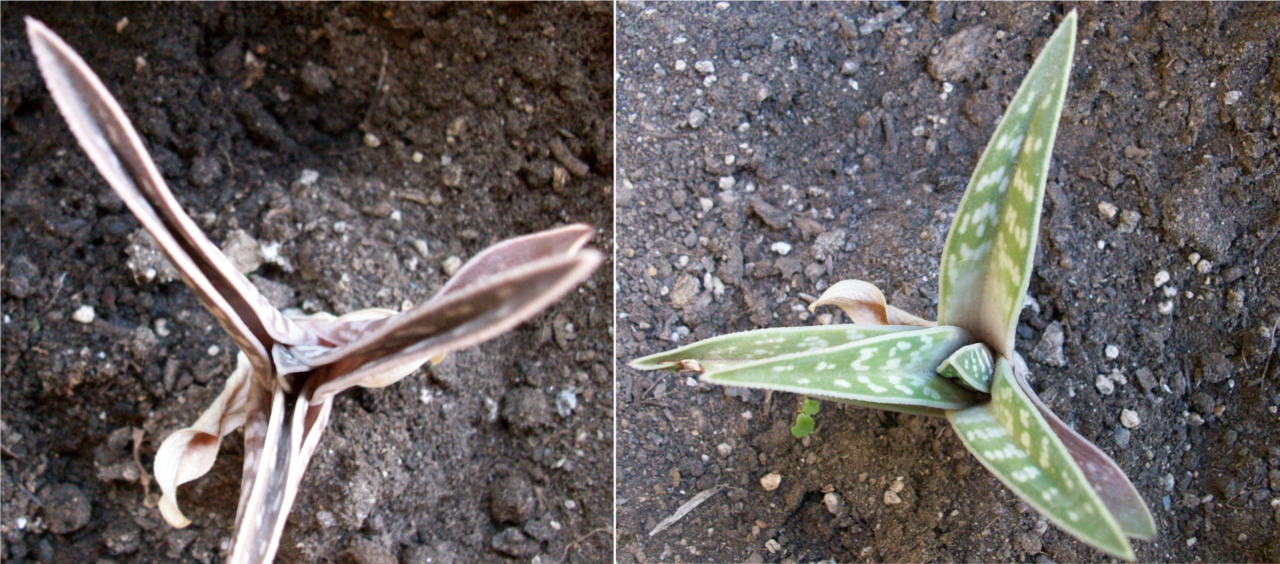

Mechanism and key structures
Most water loss occurs through microscopic pores called stomata on the leaf surface. Each stomatal pore is flanked by guard cells that open and close in response to light, carbon dioxide concentration and the plant’s water status, so stomatal behaviour strongly controls transpiration. A smaller amount of water escapes directly across the waxy leaf cuticle or through lenticels on stems. Inside the plant, water moves up in xylem conduits; the cohesion–tension mechanism describes how evaporation at the leaf surface generates a negative pressure that helps pull a continuous column of water toward the leaves, a process closely related to plant translocation of fluids and solutes.
Types of transpiration
- Stomatal transpiration: the dominant pathway for most healthy leaves when stomata are open.
- Cuticular transpiration: slow diffusion of water through the leaf cuticle when stomata are closed.
- Lenticular transpiration: occurs through small pores (lenticels) in woody stems and fruits.
Factors that control transpiration
- Light intensity: bright light tends to open stomata and increase transpiration.
- Temperature: higher temperatures raise evaporation rates and vapour pressure deficit.
- Air humidity: low ambient humidity promotes greater water loss; see humidity.
- Wind and air movement: airflow removes the humid boundary layer and increases loss; see wind speed.
- Soil water availability and plant size: drought leads to stomatal closure, while greater leaf area increases whole-plant water loss.
Adaptations that reduce water loss
Plants from dry habitats show many adaptations to limit transpiration. These include thick, waxy cuticles; sunken or fewer stomata; leaf hairs; rolled or reduced leaves; and physiological strategies such as CAM (crassulacean acid metabolism) or changes in stomatal timing. Such adaptations affect water use efficiency and help species survive in arid or variable climates.
Measurement and practical significance
Transpiration is studied with a range of methods, from simple potometers that estimate rate of water uptake, to porometers and infrared gas-exchange systems that measure stomatal conductance and vapour flux, and sap‑flow sensors that record movement in stems. Understanding transpiration guides irrigation scheduling, plant breeding for drought resistance, and management of forests and crops to conserve water and maintain productivity.
Ecological and climatic roles
At the leaf and plant level, transpiration cools tissues by latent heat loss and supports nutrient transport. At the landscape scale, transpiration returns substantial amounts of soil moisture to the atmosphere, influencing local humidity, cloud formation and microclimates. Changes in vegetation cover or climate can therefore alter water recycling and feedbacks between ecosystems and the atmosphere.
History and notable points
Early experiments on plant water movement were carried out by the 18th‑century English clergyman Stephen Hales, who demonstrated that evaporation from leaves helps drive upward flow of sap. Since Hales, plant physiologists and ecologists have refined the understanding of stomatal control, plant hydraulics and the role of transpiration in ecosystems.
Because transpiration is both a physiological process and a physical phase change, it appears in discussions ranging from basic plant biology to ecosystem hydrology and climate science. Managing transpiration is central to conserving water resources, improving crop water productivity and predicting vegetation responses to environmental change.
evaporation, water, plants, leaves, translocation, water cycle, humidity, wind speed, clergyman
Questions and answers
Q: What is transpiration?
A: Transpiration is the evaporation of water from plants, particularly leaves.
Q: What is transpiration a part of?
A: Transpiration is a part of the water cycle.
Q: What are some factors that affect the amount of water lost by a plant during transpiration?
A: Some factors that affect the amount of water lost by a plant during transpiration are size, light intensity, temperature, humidity, wind speed, and soil water supply.
Q: What is the role of transpiration in regulating temperature in plants?
A: Transpiration helps regulate temperature in plants.
Q: Who first discovered and studied the process of transpiration?
A: Stephen Hales, an English clergyman, was the first to discover and study the process of transpiration.
Q: What did Stephen Hales discover about transpiration?
A: Stephen Hales discovered that the evaporation of water molecules from leaves is the main force pulling the water column up from its origin in the roots, a discovery that is still believed today.
Q: What is the main force that pulls water up from the roots in plants?
A: The evaporation of water molecules from leaves is the main force pulling the water column up from its origin in the roots.
Related articles
Author
AlegsaOnline.com Transpiration: how plants lose and move water Leandro Alegsa
URL: https://en.alegsaonline.com/art/101188
Sources
- illustratedgarden.org : illustratedgarden.org/mobot/rarebooks/title.asp?relation=QK711H341727