
Tokelau: remote Pacific atolls and New Zealand territory
Tokelau is a small, remote New Zealand territory of three coral atolls—Atafu, Nukunonu and Fakaofo—home to roughly 1,500 people and notable for its atoll geography, limited infrastructure, and climate vulnerability.
Overview
Tokelau is a dependent territory in the central Pacific Ocean composed of three coral atolls. The three main atolls are Atafu, Nukunonu and Fakaofo. Collectively they have a very small land area of only a few square kilometres and a population of roughly 1,400–1,600 people (census counts vary by year). The territory belongs politically to New Zealand, and its international status and administration are shaped by that relationship; in some contexts it is described simply as a territory of New Zealand.
Image gallery
10 Images



Geography and settlements
Each Tokelau atoll surrounds a lagoon and is formed from coral reef growth atop submerged volcanic foundations. Land is narrow and low-lying, making freshwater limited and soils thin. The population is concentrated in four villages: two villages are on Fakaofo, one on Atafu and one on Nukunonu. The broader island group that historically included Swains Island is sometimes called the Union Islands; Swains Island is now administered as part of American Samoa and lies about 180 km to the south of Fakaofo with a very small population.
Language, culture and daily life
The most widely spoken language is Tokelauan, and English is used in administration, education and contact with New Zealand and other countries; many residents are bilingual with Tokelauan as the everyday language. Local life centers on subsistence activities such as fishing, small-scale agriculture (coconuts, pandanus), village services, and community governance. Villages retain traditional social structures and practices alongside modern services funded or delivered in partnership with New Zealand.
Transport, energy and infrastructure
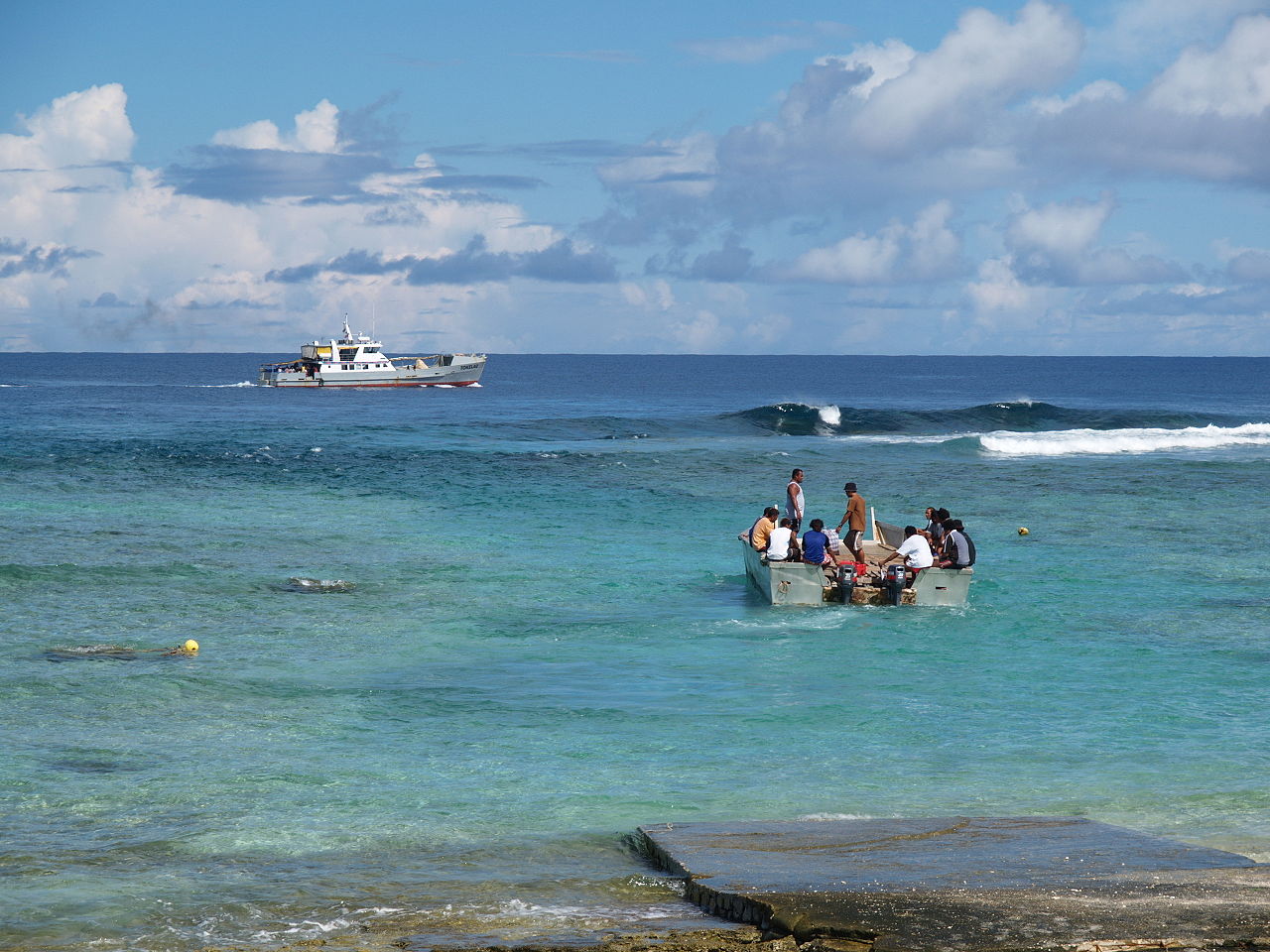
Tokelau is among the most remote inhabited places in the Pacific. There are no airports and no large deep-water ports: the atolls can be reached only by sea. New Zealand has supported regular supply and passenger links by ship; voyages connect Tokelau with the nearest regional seaport at Apia on Samoa, and smaller barges are used to transfer goods from ship to shore because there are no large piers. Despite these constraints, the territory has made progress on renewable energy: with external support it has developed substantial solar generation to reduce reliance on diesel.
Health, economy and challenges
The economy is small and relies on subsistence production, public sector employment, limited commerce, and remittances. Public health data have highlighted challenges: high rates of overweight and obesity and a significant burden of type 2 diabetes affect many Pacific populations, including Tokelau, creating priorities for health services and prevention programs. The islands’ limited land, freshwater, and economic base shape daily life and public policy.
Politics, self-determination and climate risks
Tong-term governance questions have been raised through referendums and discussions about greater self-government. Residents have considered changing Tokelau’s constitutional arrangement toward free association with New Zealand, an option similar to the relationship that the Cook Islands and Niue have with New Zealand; previous proposals did not reach the required majority to change status. Environmental vulnerability is a defining issue: the low elevation of the atolls makes them highly exposed to sea-level rise, storm surge, and erosion, which are key concerns for planners and for the communities that live there.
- Key facts: three atolls (Atafu, Nukunonu, Fakaofo), population about 1,500, administered by New Zealand.
- Access: sea connections via ship and local barges to Apia (Samoa); no airports.
- Languages: Tokelauan and English.
- Health concerns: high prevalence of overweight and diabetes have been reported in public health surveys (obesity, diabetes).
- Regional context: sometimes grouped historically with Swains Island and located roughly midway between New Zealand and Hawaii.
- Transport links: regular—but infrequent—supply ships supported by New Zealand; local barges required to land cargo (sea access).
Tokelau’s small size and isolation shape its culture, economy, and policy choices. Its communities balance traditional practices with modern governance and external partnerships while facing pressing environmental and health challenges that receive attention at local, regional and international levels.
Related articles
Author
AlegsaOnline.com Tokelau: remote Pacific atolls and New Zealand territory Leandro Alegsa
URL: https://en.alegsaonline.com/art/100283
Sources
- who.int : "WHO Western Pacific | World Health Organization"
- tokelau.org.nz : "Tokelau's new cargo vessel on schedule for 2018 service"
- commons.wikimedia.org : Tokelau
- thecommonwealth.org : Commonwealth Secretariat - Member States
- wikidata.org : wikidata.org/wiki/Q36823
- d-nb.info : 4236941-1
- id.loc.gov : n92105545
- musicbrainz.org : 756f26ff-2bc5-3d25-b429-6873ccbe160d
- aleph.nkp.cz : ge522015
- viaf.org : 156083443
- worldcat.org : lccn-n92105545