
Tokyo National Museum
Japan's oldest and largest museum, housing extensive collections of Japanese and Asian art, historical artifacts, research and conservation programs, and rotating special exhibitions in Ueno Park.
Tokyo National Museum is the oldest and largest museum in Japan and serves as the country's principal repository for art and archaeological objects from across Asia. Situated in Tokyo's Ueno Park, the institution preserves, researches, and displays cultural property ranging from prehistoric artifacts and classical sculpture to paintings, textiles, and ritual objects. For basic visitor information and official resources see the museum's site.
Image gallery
10 Images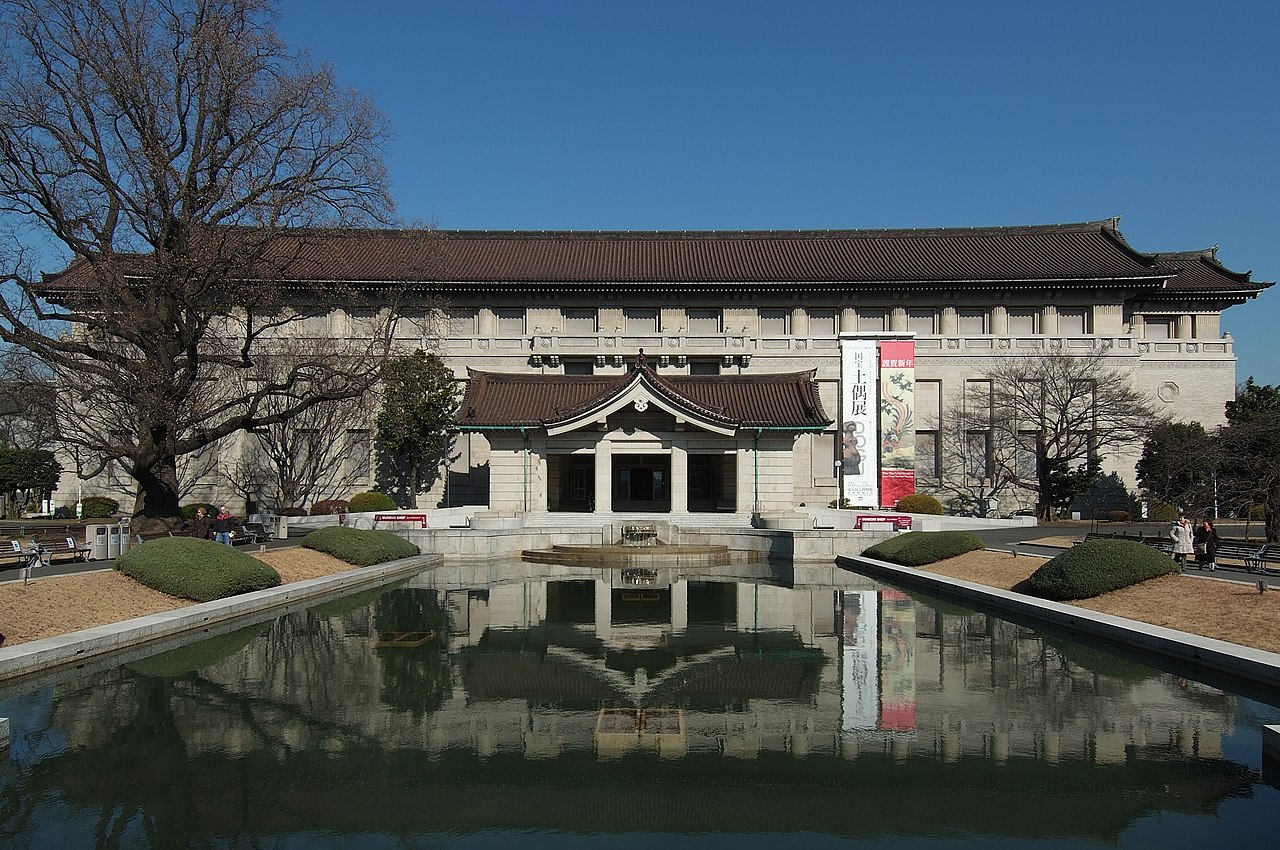


Scope and collections
The museum's holdings emphasize the history and material culture of Japan while also encompassing major collections from other parts of Asia. Its displayed items include temple treasures, courtly arts, ceramics, metalwork, calligraphy, and archaeological finds. Many works are designated as National Treasures or Important Cultural Properties, reflecting their significance for Japan's cultural heritage.
Buildings and galleries
The museum complex is composed of multiple specialized buildings. Key galleries typically include a Japanese art building for premodern and classical works, an Asian art building presenting objects from across the continent, and spaces dedicated to temporary and thematic exhibitions. Conservation laboratories, storage facilities, and research rooms support long-term preservation and study.
History and development
The institution traces its origins to the late 19th century when the modern concept of a national museum was established in Japan. Over time the museum expanded its collections through government acquisitions, donations, and transfers from temples and private collections. Its development reflects changing approaches to museology, conservation, and public access to cultural property in Japan and the wider region.
Research, conservation, and public programs
Beyond exhibitions, the museum is active in scholarly research, cataloguing, and conservation science. Curators and conservators work to document provenance, stabilize fragile objects, and publish findings for specialists and the public. Educational programs include guided tours, lectures, workshops, and family-friendly activities designed to foster appreciation of art and history.
Visiting and significance
Located within Ueno Park, the museum is part of a broader cultural district that includes other museums and historical sites. It plays a central role in presenting Japan's artistic legacy to both domestic and international audiences, rotating displays to show different parts of its vast holdings and hosting special exhibitions that highlight particular themes or newly researched objects. For information about the museum in the context of Japan's cultural institutions, see national museum resources and the park location at Ueno Park.
- Highlights: temple treasures, classical painting, ceramics, and archaeological artifacts.
- Functions: preservation, research, exhibition, and education.
- Notable features: rotating displays and a collection that spans millennia of Asian art.
Related articles
Author
AlegsaOnline.com Tokyo National Museum Leandro Alegsa
URL: https://en.alegsaonline.com/art/100318
Sources
- simple.wiktionary.org : acronym
- books.google.com : "Tōkyō Kokuritsu Hakubutsu-kan"
- tnm.jp : Outline, p. 2 [PDF/p. 5 of 44]
- tnm.jp : history