
Tokyo Imperial Palace (Kōkyo)
Official residence of Japan's Emperor on the former Edo Castle site in Chiyoda. The complex includes the main palace, imperial residences, gardens, moats and public park-like grounds.
Overview
The Tokyo Imperial Palace (Japanese: Kōkyo) is the official residence of the Emperor of Japan. It occupies the historical site of Edo Castle in the Chiyoda ward, close to Tokyo Station and other central transport hubs. The palace grounds form a substantial, park-like area in central Tokyo, providing open green space, cultural heritage and a visible national symbol in the urban core.
Image gallery
10 Images





Layout and principal buildings
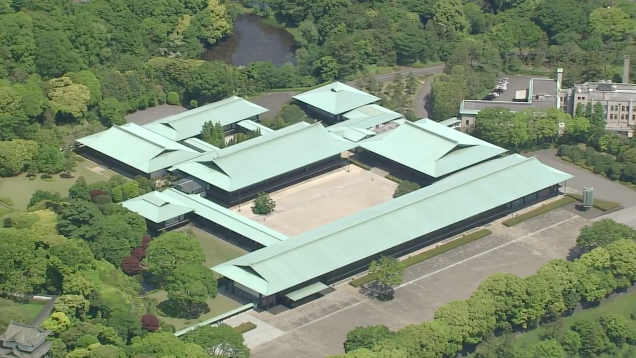
The complex comprises multiple zones: the public-facing Kyūden or main palace used for official ceremonies; private residences for members of the imperial family; administrative offices of the Imperial Household Agency; formal gardens and large defensive moats and stone walls that remain from the castle era. Iconic features include the Nijubashi bridge that frames the main approach and a network of waterways that once formed part of Edo Castle's defences.
Gardens, moats and preservation
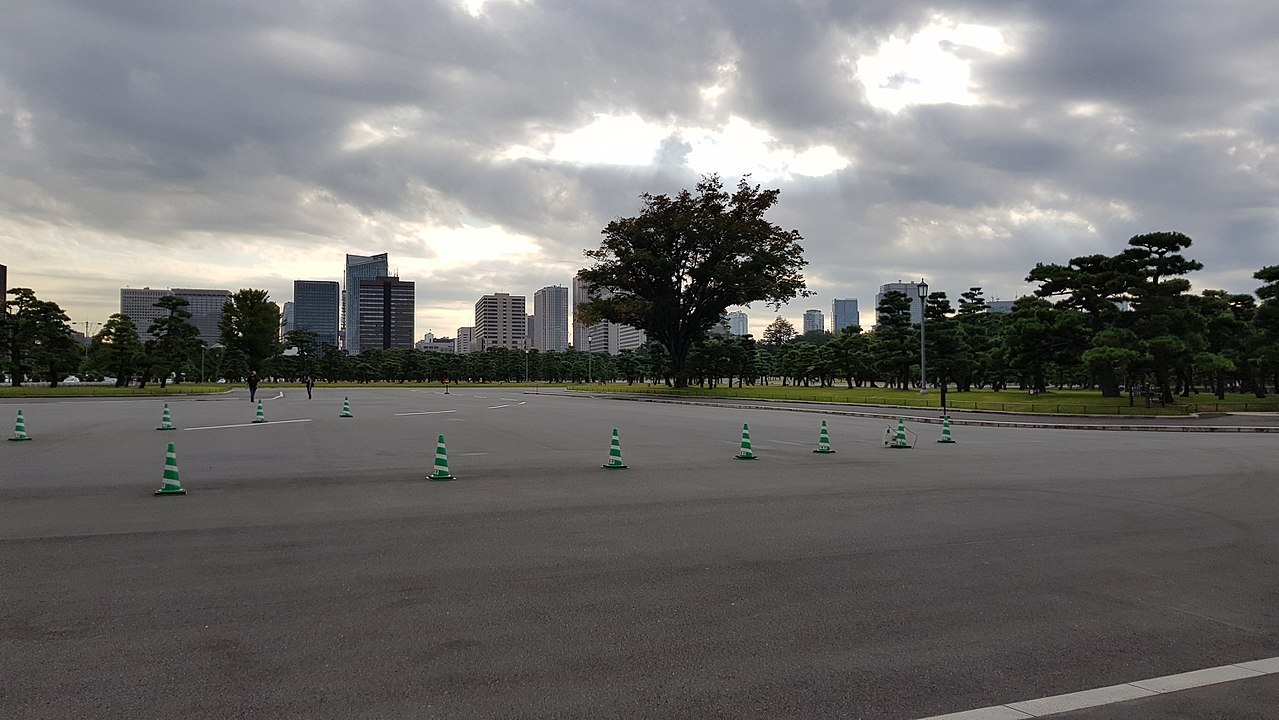
The East Gardens are open to visitors and preserve archaeological remains, landscaped sections and historical structures such as guardhouses and stone walls. Beyond the East Gardens lie more restricted areas like the Fukiage Garden and private grounds reserved for the imperial family. The surrounding moats and fortified banks reflect the site's origins as a feudal castle and are maintained as both heritage elements and urban ecology corridors.
History and reconstruction
The site served as the seat of the Tokugawa shogunate during the Edo period. After the Meiji Restoration the Emperor's main residence moved from Kyoto to Tokyo and the castle precincts were adapted for imperial use. Many original wooden buildings were lost over time, including substantial destruction during modern warfare; later buildings were reconstructed or redesigned to combine traditional formality with modern functions. Layers of feudal, imperial and contemporary planning are visible across the grounds.
Public access and ceremonies
Parts of the palace grounds are accessible to the public: the East Gardens are regularly open, while interior tours of some state rooms and special events require advance application or guided visits arranged through the Imperial Household Agency. On a small number of occasions each year members of the imperial family appear on a balcony of the main palace to greet the public, events that attract large crowds and receive wide media coverage.
Administration, security and conservation
Administration of the complex is handled by the Imperial Household Agency, which balances public access with security and the privacy of the imperial family. Conservation efforts focus on preserving remaining castle-era features, maintaining historic gardens and ensuring that modern facilities meet the needs of state ceremonies while respecting cultural values.
Surroundings and visitor notes
The palace lies amid important civic and cultural areas, adjacent to parks and government buildings in Chiyoda. Visitors should observe posted rules, security checks and any restrictions on photography or access. Transit connections near Tokyo Station and other central stations make the site readily reachable. For official guidance on tours, opening times and special events consult the agencies responsible for the grounds before planning a visit.
- Major features: Kyūden (main palace), East Gardens, moats, Nijubashi bridge and private imperial gardens.
- Public information and tours coordinated by the Imperial Household Agency.
- Located in central Tokyo’s Chiyoda, near Tokyo Station and other urban attractions.
Related articles
Author
AlegsaOnline.com Tokyo Imperial Palace (Kōkyo) Leandro Alegsa
URL: https://en.alegsaonline.com/art/100309
Sources
- jnto.go.jp : "The Imperial Palace Area"
- books.google.com : "Edo-jō"
- jnto.go.jp : "Kokyo Higashi Gyoen Garden (Imperial Palace East Garden)"
- books.google.com : "Tokyo"at pp. 981-982
- books.google.com : "Kyōto" at pp. 585-587