
Tiki: Polynesian carved figures, meanings, and cultural roles
Tiki are carved humanlike figures from Polynesia, made in wood or stone and used as markers, ornaments, and sacred objects. This article explains their forms, histories, cultural roles, and modern adaptations.
Overview
A tiki is a carved representation of a humanlike figure found throughout Polynesian cultures of the Pacific. These objects appear in a variety of sizes and materials, and they can function as religious symbols, protective emblems, ancestral reminders or decorative art. The word "tiki" and its forms vary by language and island group, reflecting diverse local meanings and traditions.
Image gallery
4 Images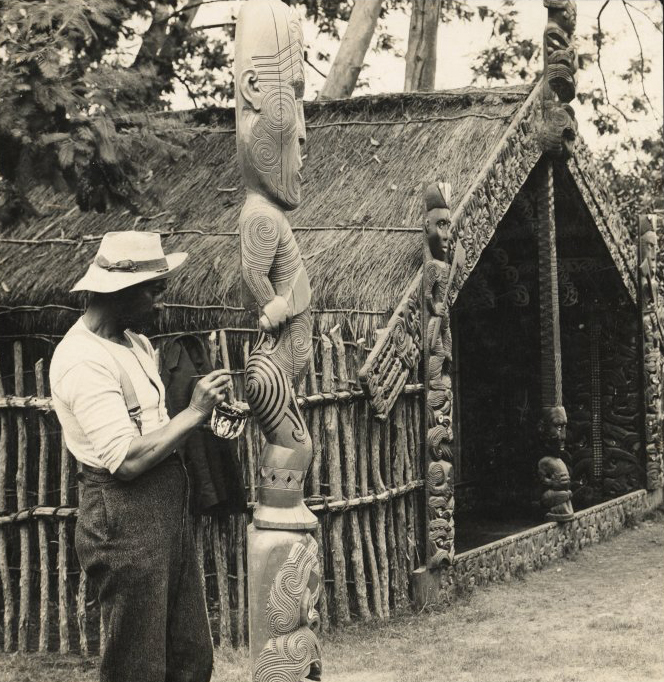


Materials and forms
Tiki figures are commonly fashioned from wood or stone, though bone, shell and other materials have also been used. Many carvings emphasize stylized limbs, a prominent head, and characteristic facial expressions that make them human-like but not naturalistic. Some are small enough to be worn as pendants, while others are large freestanding posts or statues.
Geographic and cultural range
These carvings occur across the wider Polynesian world and other parts of the Pacific Islands. Specific styles and names differ by island and language: the same basic concept is expressed in distinct regional carving vocabularies, iconographies and local ritual uses. Scholarly descriptions and museum collections often group these forms under the broader term "tiki," while recognizing local terms and differences.
Functions and contexts
In many communities tiki carvings mark boundaries, guard or denote carvings within ceremonial spaces, and identify sacred sites. They can embody ancestors, guardians or deities and are sometimes associated with rites of protection, remembrance or status display. Smaller personal tikis may serve as amulets or heirlooms.
History and mythology
Several island traditions include stories connected with the creation of humans and the first figures. In Māori tradition and related accounts of mythology, a figure known as Tiki is associated with the origin of humanity and appears in genealogies and tales. These narratives vary, and the spiritual role of tikis has changed across time under the influence of conversion, colonization and cultural revival movements.
Modern adaptations and distinctions
In the 20th century the word "tiki" was adopted abroad to describe a stylized aesthetic in restaurants, bars and popular culture, drawing on simplified Polynesian motifs. This commercialized "tiki culture" differs markedly from traditional carved figures in meaning and context; many scholars and community members stress the importance of distinguishing authentic cultural objects from derivative decorative forms. When discussing or displaying tikis it is important to consider origin, consent of source communities and the object's cultural significance.
Common features and examples
- Materials: wood, stone, bone and shell (wood and stone are most common).
- Cultural roles: ancestral representation, guardianship, boundary markers (sacred sites).
- Regional terms and figures: names and stories vary; in some accounts Tiki is the first man or primal ancestor.
- Academic and museum contexts: description uses general labels while respecting local identities (Polynesian, Pacific Islands).
For further reading and curated examples, consult museum collections and reputable cultural resources that work in partnership with Polynesian communities to present context and provenance responsibly (Māori collections and comparative mythology studies).
Related articles
Author
AlegsaOnline.com Tiki: Polynesian carved figures, meanings, and cultural roles Leandro Alegsa
URL: https://en.alegsaonline.com/art/99855