
Māori people: Indigenous people of New Zealand
Overview of the Māori: origins, social structure, language, arts, modern history and contemporary rights within New Zealand society.
The Māori are the indigenous people of New Zealand (Aotearoa). They are of Polynesian origin and descend from seafaring communities whose ancestors migrated to the islands in ocean-going canoes. Settlement of New Zealand took place after long-distance Polynesian voyaging — most estimates place arrival between about 800 and 1300 CE — and Māori developed distinct languages, social structures and cultural practices suited to their new environment.
Image gallery
10 Images


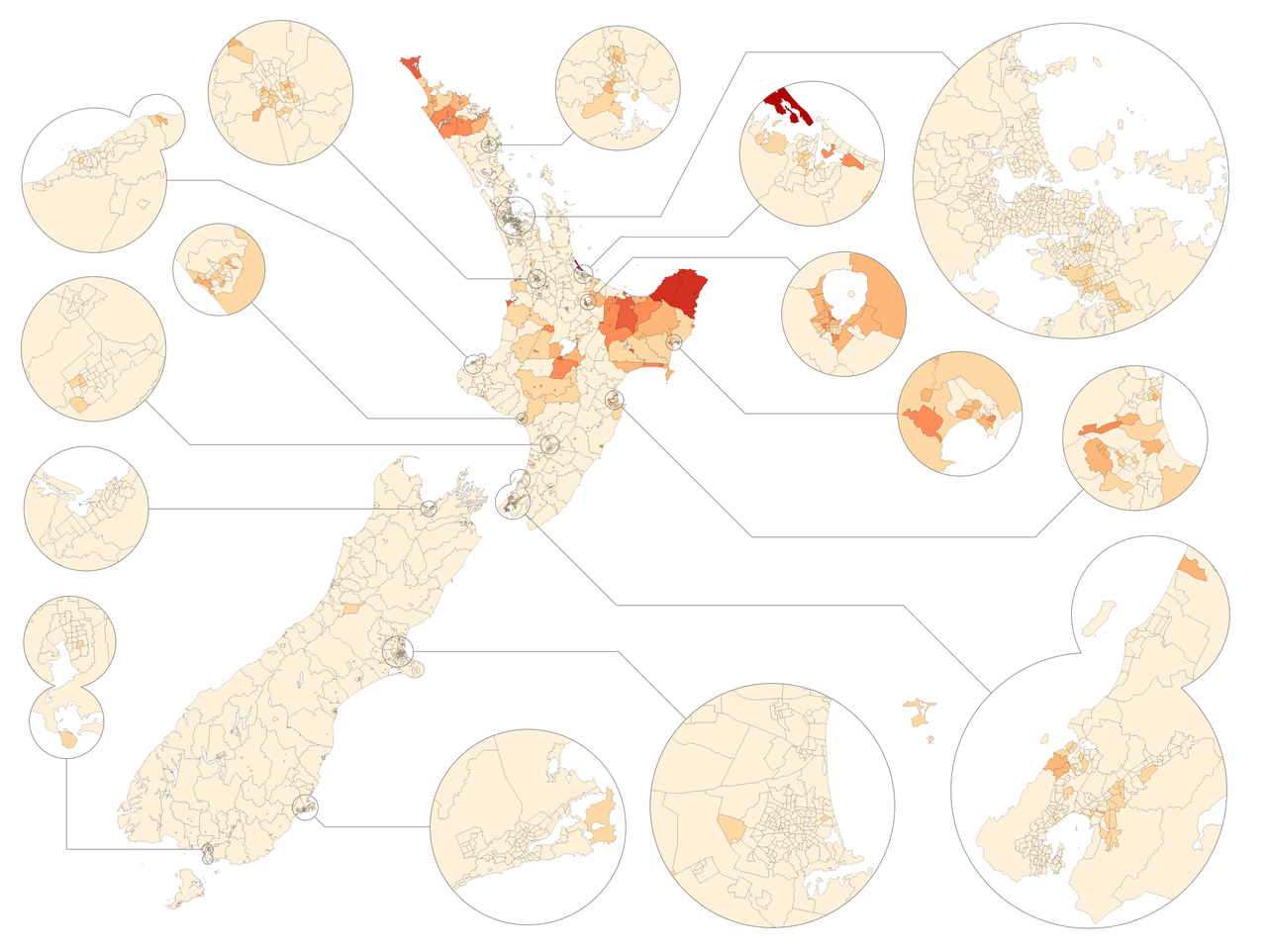


Origins and historical development
Traditional accounts and modern research agree that Māori came from tropical East Polynesia, with ancestral ties often traced to island groups such as the Cook Islands and the Society Islands. These migrations brought horticultural knowledge, navigation skills and social traditions that adapted to New Zealand’s cooler climate and varied landscapes. From first settlement until European contact, Māori communities established villages, cultivated gardens, and developed elaborate trade and warfare networks across the islands.
Social organisation and language
Māori society is commonly organised by three nested units: iwi (tribes), hapū (subtribes) and whānau (extended families). Leadership, land tenure and responsibilities were traditionally determined through descent, kinship and collective decision-making. The Māori language, often called Te Reo Māori, remains a central cultural marker; it has official recognition and status within the country and efforts to revive and teach it continue in schools and community programmes.
Cultural practices and arts
Māori culture includes a wide range of expressive and ceremonial traditions that remain visible in New Zealand life. Key elements include:
- Wharenui and marae: communal meeting places that anchor social and spiritual life.
- Waka: the memory of ancestral canoes and the place of seafaring in identity.
- Haka: chant and posture dances performed on ceremonial and sporting occasions.
- Whakairo and raranga: carving and weaving traditions used in buildings, clothing and objects.
- Oral history and waiata: story, song and genealogy (whakapapa) as vehicles for knowledge.
Contact, colonisation and contemporary rights
European contact from the late 18th century brought trade, new technology, disease and social change. The 19th century saw significant land loss for many Māori communities and major political change following the Treaty of Waitangi in 1840, an agreement between many Māori chiefs and the British Crown that remains central to discussions about rights and redress. In modern times the New Zealand state recognises Māori as a distinct people and there are institutions, legal processes and policies intended to address historical grievances and support cultural revitalisation. The term Pākehā came into common use for New Zealanders of European descent, while the wider public increasingly acknowledges Māori contributions to national identity and policy.
Importance today and notable distinctions
Māori make up a significant and growing portion of New Zealand’s population. Their culture enriches national life through language, arts, place names and public ceremonies. The government provides specific programmes and recognition—sometimes described as special rights—and works with Māori leaders and communities through institutions such as the Government of New Zealand agencies and the Waitangi Tribunal. The Māori language has been revived through schooling, media and community initiatives and is recognised as an official language of the country. Together, these dynamics reflect a continuing process of cultural renewal, legal negotiation and shared national identity formation.
Related articles
Author
AlegsaOnline.com Māori people: Indigenous people of New Zealand Leandro Alegsa
URL: https://en.alegsaonline.com/art/61500