
Thomas Lawrence (1769–1830): Leading Portrait Painter of the British Regency
Thomas Lawrence was an English portrait painter who rose from child prodigy in Bristol to become President of the Royal Academy and the most sought-after portraitist of the Regency era.
Thomas Lawrence (13 April 1769 – 7 January 1830) was a prominent English portrait painter whose career bridged the late 18th and early 19th centuries. Born in Bristol, he became known early on as a child prodigy, producing convincing pastel likenesses while still a boy and helping to support his family. He moved to London as a young man and developed a highly successful practice painting oil portraits for aristocratic, political and cultural sitters.
Image gallery
8 Images


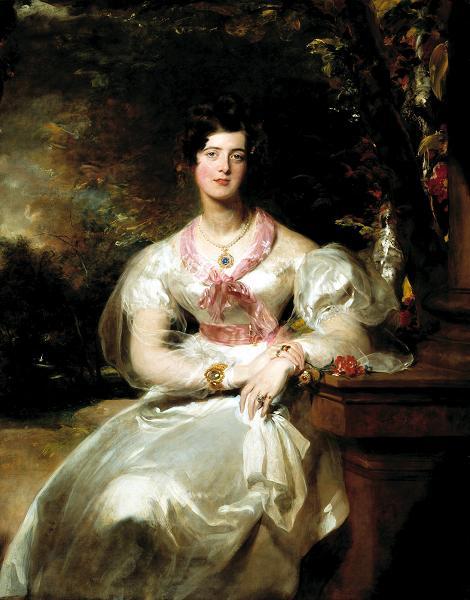


Early life and beginnings
Lawrence grew up in modest circumstances; his family relied on his artistic earnings while he was young. His early work in pastels brought him local commissions and attention from collectors. The change to oil painting allowed him to take larger, more ambitious commissions and to refine a style suited to formal society portraiture. His rapid progress and technical skill led to early exhibitions and an expanding circle of patrons in the capital.
Rise to prominence in London
In London Lawrence established himself quickly among fashionable portraitists. His first notable royal commission came in 1790 when he painted a portrait of Queen Charlotte, a work that helped to increase his visibility at court and among the aristocracy. His reputation expanded through exhibited portraits and private sittings; he was elected an associate of the Royal Academy in 1791, a full academician in 1794, and eventually its president in 1820. In 1810 he also received the patronage of the Prince Regent, which secured his position as a leading court painter.
Subjects and clientele
Lawrence's clientele included monarchs, members of the aristocracy, senior politicians, military leaders and prominent cultural figures of the day. He was sought after for both private portraits and public, state-related sittings. The variety of sitters reflected his wide appeal: society patrons prized his ability to convey elegance and presence, while institutions and collectors admired the finesse of his technique.
Style and technique
Lawrence's portraits are noted for their elegant composition, fluid brushwork and a polished finish that nonetheless retains painterly vitality. He combined careful likeness with expressive pose and gesture, often arranging sitters in dynamic but flattering postures that emphasized dignity and refinement. His handling of costume, texture and skin tones contributed to images that projected status as well as individuality. Discussions of his working methods and materials can be found in technical studies of portrait practice and conservation literature on technique.
Institutional role and influence
As President of the Royal Academy, Lawrence occupied a leading institutional role during a formative period for British art. His election to the presidency marked the culmination of a steady professional ascent and gave him influence over exhibitions, standards of taste and the training of younger artists. His prominence reinforced a portrait tradition that combined elements of the earlier 18th-century academies with the emerging sensibilities of the Romantic period.
Reputation and legacy
At his death in 1830 Lawrence was widely regarded as the most fashionable portrait painter in Europe. His portraits remain valued for their technical skill and as documents of Regency society. Many are held in public and private collections and continue to be studied for what they reveal about patronage, fashion and social identity in his era. Readers interested in his royal commissions and notable sitters can consult specialized catalogues and museum resources on royal commissions and on major works.
Further reading and resources
Biographical and art-historical studies provide fuller accounts of Lawrence's career, lists of sitters and analyses of individual pictures, and of his period role within British art. For institutional histories and records relating to his life at the Academy consult resources connected to the Royal Academy here. For general context about patronage and the Prince Regent's influence on the arts see summaries of contemporary patronage practices on patronage. Additional materials on Lawrence's position within portrait tradition and conservation findings are available through scholarly and museum publications here.
Lawrence's career — from a working-class childhood in Bristol to the presidency of the Royal Academy and wide European fame — illustrates both the opportunities and the social networks that shaped artistic success in the late 18th and early 19th centuries.
Questions and answers
Q: Who was Thomas Lawrence?
A: Thomas Lawrence was an English portrait painter.
Q: Where was Thomas Lawrence born?
A: Thomas Lawrence was born in Bristol.
Q: What was Thomas Lawrence's father's occupation?
A: Thomas Lawrence's father was an innkeeper.
Q: At what age did Thomas Lawrence become a child prodigy?
A: Thomas Lawrence became a child prodigy at a young age.
Q: What was Thomas Lawrence's first royal commission?
A: Thomas Lawrence's first royal commission was a portrait of Queen Charlotte in 1790.
Q: When did Thomas Lawrence become the president of the Royal Academy?
A: Thomas Lawrence became the president of the Royal Academy in 1820.
Q: What is Thomas Lawrence remembered as?
A: Thomas Lawrence is remembered today as the Romanticism portraitist of the British Regency.
Related articles
Author
AlegsaOnline.com Thomas Lawrence (1769–1830): Leading Portrait Painter of the British Regency Leandro Alegsa
URL: https://en.alegsaonline.com/art/99522