
Oil paint — artist's medium of pigment and drying oil
Oil paint is pigment bound in a drying oil (commonly linseed). Valued for slow drying, blending, glazing and durability, it shaped Western easel painting and remains a central fine-art medium.
Oil paint is a traditional artist's medium made by dispersing finely ground pigment particles in a drying oil to form a spreadable, film-forming paste. Painters and conservators commonly call the material and its works simply "oils." The medium is prized for its depth of colour, ability to form translucent glazes, extended working time for blending, and a durable paint film when made and handled correctly. A general introductory overview is often provided in technical and practical resources such as oil paint.
Image gallery
8 Images


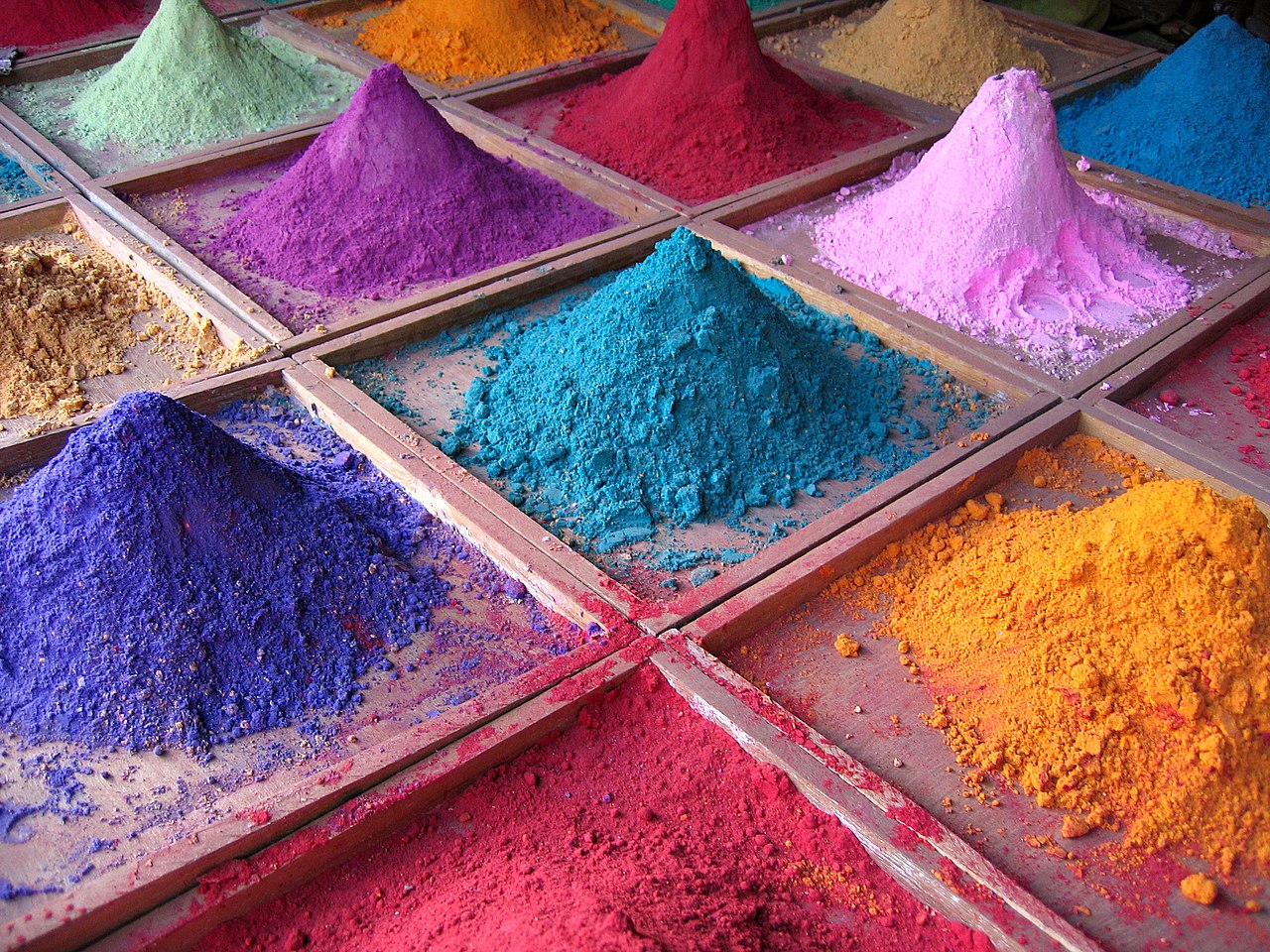


Composition and materials
Basic oil paint has three components: pigment (the colourant), the binding oil and, in many formulations, additives or solvents. Pigments may be mineral, earth-derived, or synthetic, each with characteristic tinting strength and permanence; general references on colourants are available at pigments. The most common binder is linseed oil, valued for its strong, flexible film and relatively rapid drying by oxidation; technical notes on binders and linseed preparations can be found at linseed oil. Other oils such as walnut, poppy or safflower oil are used selectively to influence drying rate, yellowing tendency and handling.
Additives include resins to increase gloss, siccatives (driers) to accelerate surface drying, and solvents (mineral spirits or modern alternatives) used to thin paint and clean tools. Artists must balance consistency, sheen and drying behaviour when mixing media; widely accepted practical guidance includes following the "fat over lean" principle, where layers with more oil content are applied over leaner (less oily) layers to reduce the risk of cracking as the painting ages.
Appearance and handling
Oil paint supports both opaque brushstrokes and thin, transparent glazes. Because the oil binder cures by chemical reaction with oxygen rather than by evaporation alone, the paint dries slowly compared with water-based media. This slow drying allows techniques such as alla prima (wet-on-wet), careful blending for soft transitions, and the building up of multiple glazes to achieve luminosity. Tools include brushes of various hairs, palette knives, and occasionally solvents or mediums to modify flow and drying.
Supports and preparation
Traditional supports for oil painting are primed canvas and wooden panels, both typically prepared with a ground (such as gesso) to provide a uniform surface and to protect the binder from direct contact with reactive supports. Paper and modern synthetic supports are also used when appropriately prepared. Ground layers, underpainting and surface texture influence the final optical qualities and long-term stability of a work.
History and notable practice
While oil-like binders have ancient and medieval precedents, the systematic development of oil painting as a dominant easel medium took hold in Northern Europe in the late Middle Ages and expanded across Europe during the Renaissance. Innovations in oil preparation and pigment manufacture allowed painters to exploit long working times and richer colour. Biographical and studio accounts describe sustained reworking by some masters; for example, historical commentary often refers to Leonardo da Vinci and the layered technique he used in works such as the Mona Lisa, which exemplify delicate glazes and subtle optical effects.
Conservation and aging
Conservators study paint layers, varnishes and grounds to understand an oil painting's condition and history. Common aging phenomena include yellowing or darkening of varnish layers, craquelure (fine network cracking), and changes in pigment stability. Some historical pigments and additives are chemically reactive or toxic (for example, lead-containing whites); modern practice often employs safer substitutes. Conservation decisions balance respect for original materials with the need to ensure long-term stability and legibility.
Safety and studio practice
Studio safety for oil painters includes working in well-ventilated spaces when using solvents, using safer low-odor or vegetable-based solvent alternatives where possible, and handling oil-soaked rags with care because they can self-heat and ignite if stored improperly. Disposal guidelines from professional bodies and local regulations should be followed.
Techniques and variations
- Alla prima: completing a composition in one session while paint remains wet.
- Underpainting: an initial monochrome layer that establishes values and composition.
- Glazing: applying thin transparent layers to modulate colour and depth.
- Impasto: building thick textured passages to emphasize brushwork and reflectance.
Contemporary use
Oil paint remains central to many contemporary artists who value its handling qualities and appearance. Modern formulations include pre-mixed tubes, alkyd-modified oils that dry faster, and water-mixable oil paints designed for easier cleanup and lower solvent exposure. Technical handbooks and museum conservation departments provide detailed guidance on materials, techniques and long-term care; introductory material and supplier notes are often summarized in online resources such as oil paint and pigment guides like pigments.
Note: This article summarizes widely known aspects of oil painting practice, materials and history. For detailed conservation treatment, pigment analysis or studio recipes consult qualified conservators, technical publications or institutional resources specializing in art materials and preservation.
Questions and answers
Q: What is oil paint?
A: Oil paint is a traditional method used for artists' painting, in which pigments (colours) are held together by the medium of oil, most usually linseed oil.
Q: What is an oil painting?
A: An oil painting is a picture that is painted using oil paint.
Q: Why do artists find oil paint useful?
A: Artists find oil paint useful because it takes a long time to dry, allowing them to keep working on the painting for a long time.
Q: Who supposedly worked on the painting of the Mona Lisa for four years?
A: Leonardo da Vinci supposedly worked on the painting of the Mona Lisa for four years, even though it is not a very large picture.
Q: What are oils paints and oil paintings often referred to as?
A: Oils paints and oil paintings are often referred to as "oils" for short.
Q: What is meant by "painting in oils"?
A: When someone talks about "painting in oils", they mean that the painting is done in oil paints.
Q: What is the most usual type of oil used in paint?
A: The most usual type of oil used in paint is linseed oil.
Related articles
Author
AlegsaOnline.com Oil paint — artist's medium of pigment and drying oil Leandro Alegsa
URL: https://en.alegsaonline.com/art/72145