
Thomas Merton: Trappist monk, writer, and influential contemplative
Thomas Merton (1915–1968) was an American Trappist monk and prolific writer whose books on contemplative spirituality, social conscience, and interfaith dialogue influenced modern religious thought.
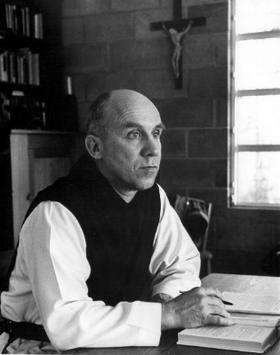
Thomas Merton (January 31, 1915 – December 10, 1968) was an American cultural and religious figure best known as a writer and a Catholic Trappist monk. He lived much of his monastic life at the Abbey of Our Lady of Gethsemani and became one of the most widely read authors on contemplative practice in the mid-20th century. His work combined spiritual reflection with social concern, attracting readers inside and outside the church.
Image gallery
9 Images





Life and vocation
Merton entered monastic life as a young man and took vows in a strict Cistercian (Trappist) community in Kentucky. His autobiographical book, The Seven Storey Mountain, described his conversion and monastic calling and helped to popularize contemplative spirituality among a postwar audience. Over the following two decades he published essays, poetry, and books that explored solitude, prayer, and the interior life.
Major themes and works
Merton wrote about contemplative prayer, the challenges of silence in a noisy world, and the need for moral responsibility. He was interested in dialogue with other religious traditions and in nonviolence, often writing in favor of a principled, quiet pacifism. Notable books include:
- The Seven Storey Mountain
- No Man Is an Island
- New Seeds of Contemplation
Merton's prose combined theological reflection with lyrical description, and he also published collections of poetry and wide-ranging correspondence with artists, theologians, and activists.
Influence and legacy
Although rooted in a cloistered monastery, Merton's concerns were worldly: he addressed issues of race, war, and modern anxieties, and he sought conversations between Christianity and Eastern religions, contributing to the era's growing interest in interfaith exchange and contemplative practice. His writing remains a resource for those exploring meditation, ethical witness, and the relationship between solitude and social action.
For further reading on Merton's life and thought see introductions and bibliographies that survey his journals, essays, and letters. His work continues to be studied in religious, literary, and peace studies contexts, inspiring monastics and lay readers alike. Learn more about his spiritual writings or explore collections of his correspondence and journals for a fuller picture of his evolving thought.
Related topics and resources: biographical overview, writing and publications, monastic life, Gethsemani Abbey, spiritual practice, peace and nonviolence.
Related articles
Author
AlegsaOnline.com Thomas Merton: Trappist monk, writer, and influential contemplative Leandro Alegsa
URL: https://en.alegsaonline.com/art/99524