
Thomas Middleton (1580–1627)
English dramatist Thomas Middleton was a prolific Jacobean playwright known for satirical city comedies and dark tragedies, including The Revenger's Tragedy and The Changeling (with Rowley).
Thomas Middleton (1580–1627) was an English playwright and poet active in the early Stuart period. Working for the public theatres and occasionally for courtly entertainments, he became one of the most versatile and prolific writers of his generation. Middleton is typically described as a Jacobean dramatist whose work ranges from bitter revenge tragedy to lively city comedy, and whose plays are valued for their vivid urban detail and sharp social observation.
Image gallery
1 Image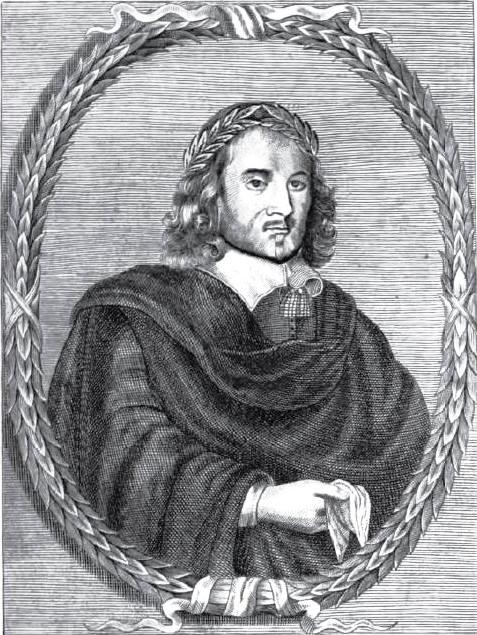
Major works and genres
Middleton wrote in several dramatic modes. He is commonly associated with dark revenge tragedies and with the so-called "city comedy" of London life. Among the plays most often linked to him are:
- The Revenger's Tragedy — a bleak, satirical revenge play that for many years was misattributed but is now widely credited to Middleton.
- A Chaste Maid in Cheapside — a vibrant city comedy that explores marriage, money and social ambition in London.
- Women Beware Women — a tragic tale about power, seduction, and corruption.
- The Changeling (with William Rowley) — a psychological tragedy notable for its complex characters and dark moral tensions.
- The Roaring Girl (with Thomas Dekker) — a city play that dramatizes contemporary social types, including an outspoken, independent woman.
Collaboration and attribution
Middleton frequently collaborated with other dramatists of his day and was himself involved in revision work. He is known to have worked alongside writers such as Thomas Dekker and William Rowley, and he formed professional ties with contemporaries including John Webster. Modern scholarly methods — textual comparison, stylistic analysis and archival evidence — have also connected Middleton to revisions of plays traditionally associated with other hands. For example, some researchers propose that he contributed to or revised Shakespeare's Timon of Athens, and he is implicated in editorial additions to other plays of the period. Attribution studies continue to refine which passages belong to Middleton and which are the work of collaborators.
Middleton's dramatic voice is notable for its theatrical economy and its inclination toward moral complexity rather than simple didacticism. His comedies often satirize mercantile culture and social pretension, while his tragedies probe sexual politics, revenge and the fractures of honor. He frequently populated his plays with resourceful female figures and morally ambiguous protagonists, and his dialogue captures the rhythms and argot of urban life.
Reception of Middleton's work has changed over time. In the seventeenth and eighteenth centuries his reputation was uneven, partly because of disputed attributions and changing tastes. During the twentieth century, scholars and editors worked to recover his authorship and to stage a number of his plays, leading to a renewed appreciation of his range and craftsmanship. Today Middleton is regarded as a central figure in studies of Jacobean drama, notable both for the variety of his output and for his acute social commentary.
For readers interested in further study, modern editions collect Middleton's major plays and critical commentary, and academic research continues to explore his collaborations, manuscript culture and performance history. His combination of satirical energy and tragic imagination keeps his work relevant to discussions of early modern theater and London culture.
Related articles
Author
AlegsaOnline.com Thomas Middleton (1580–1627) Leandro Alegsa
URL: https://en.alegsaonline.com/art/99525