
Portrait (art and photography)
A portrait depicts a person's appearance and expression in art or photography, aiming to convey likeness, character and mood. This article explains forms, history, compositional elements, uses and modern practice.
A portrait is an image of a person intended to record or express their appearance, character and presence. Traditionally made as a painting or a photograph, a portrait focuses on the face and its expression but may include the upper body, hands, clothing and attributes that suggest identity or status. Beyond likeness, portraits often aim to communicate mood, role or personality personality, making them a hybrid of likeness and interpretation.
Image gallery
10 Images

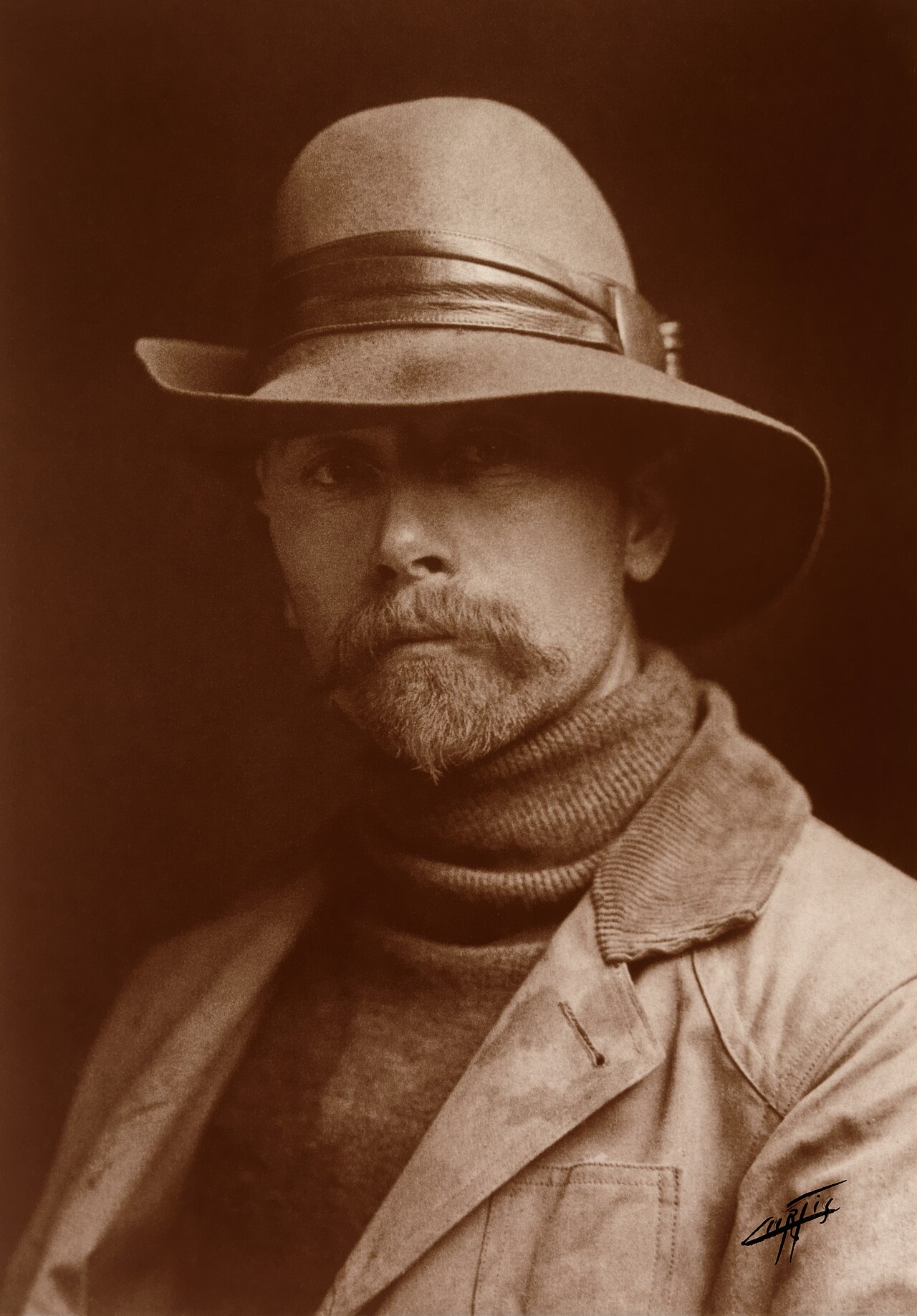

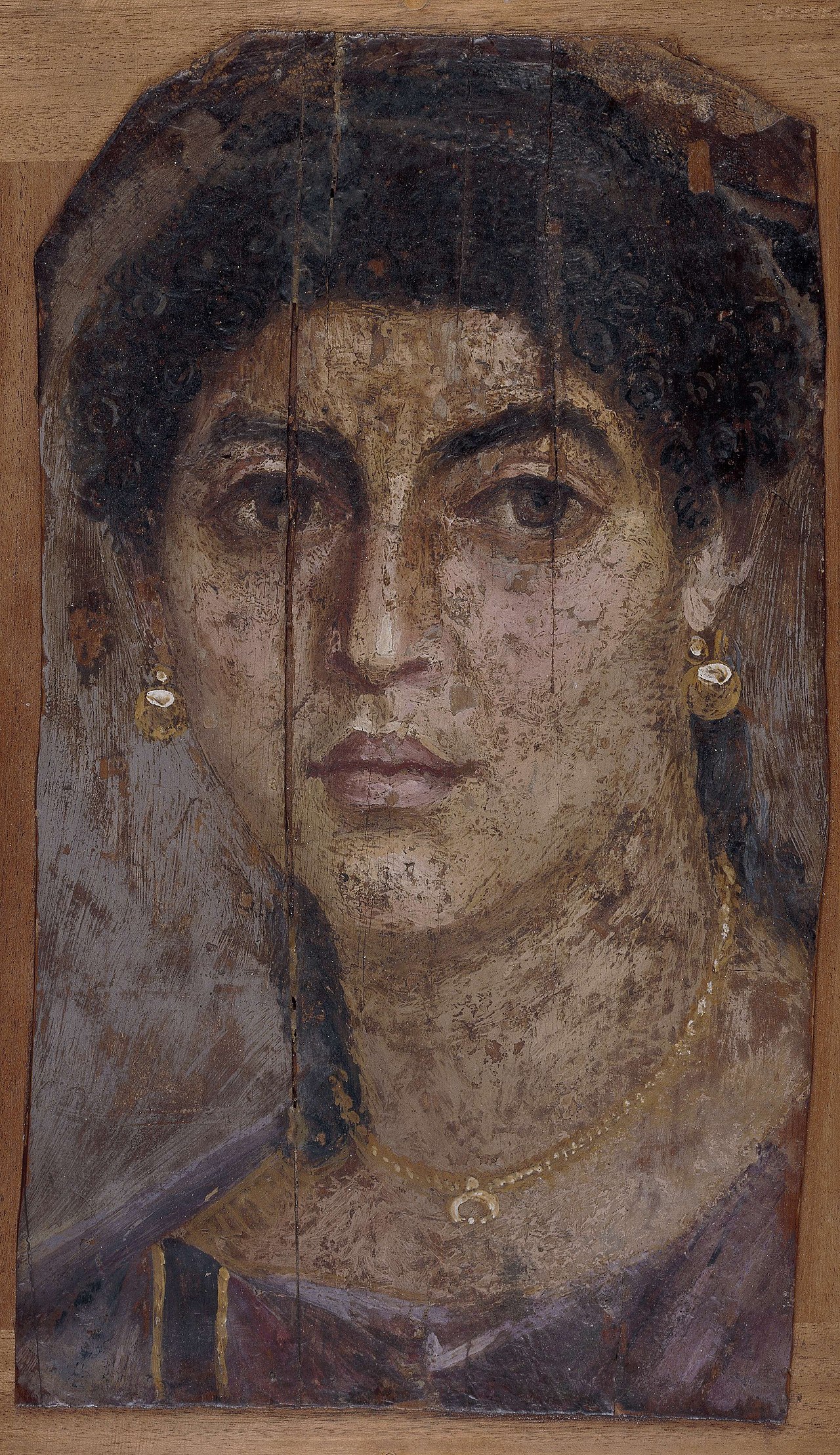


Key elements and composition
Portraits balance observable features with compositional choices that shape meaning. Important elements include:
- Framing: head-and-shoulders, half-length, full-length or environmental (showing surroundings).
- Pose and gaze: facing the viewer, profile or three-quarter view—each conveys different social cues.
- Expression: neutral, smiling, contemplative or performative; subtle changes alter perceived character.
- Lighting and setting: used to model form, suggest drama or place the sitter in context.
History and development
Portrayal of human faces dates back to ancient carved images and funerary masks. Over centuries, painted portraiture developed techniques to render individual features and status, becoming prominent in courts, religious institutions and private patronage. The invention of light-sensitive processes in the 19th century made photography a major medium for portraiture, democratizing access to personal likenesses and introducing new conventions such as candid and studio portraiture.
Types and uses
Portraits serve a range of functions: documentation (identity photos), commemorative (memorial portraits), status display (official portraits), artistic exploration (formal and experimental works) and personal expression (self-portraits). Common types include formal commissioned portraits, casual environmental portraits, group portraits and stylized or conceptual portraits used in contemporary art.
Techniques and interpretation
Creating a portrait involves technical choices—medium, lens and aperture in photography, brushwork and palette in painting—alongside interpersonal skills: establishing rapport, directing pose, and selecting props. Viewers read portraits on multiple levels: anatomical accuracy, symbolic details and the relationship between sitter and maker. Because portraits both record and interpret, they can reveal social values as much as individual identity.
Notable distinctions and modern trends
Distinctions include official versus informal portraits, and representational versus abstract approaches. In recent decades, digital imaging, social media and conceptual art have expanded portrait practice: people commonly present curated self-images online, while artists experiment with identity, anonymity and montage. Ethical considerations—consent, representation and cultural context—are increasingly discussed in portrait practice today.
For further reading on historical styles, technical methods and contemporary debates, consult specialized sources and collections that focus on portrait history and theory. See visual examples and museum collections for direct study.
Related articles
Author
AlegsaOnline.com Portrait (art and photography) Leandro Alegsa
URL: https://en.alegsaonline.com/art/78307