
Medication: uses, types, safety, and regulation
Overview of medications—what they are, major types (OTC vs prescription), how they work, common forms and uses, regulation, and safety considerations.
Medication, also called medicine or pharmaceutical drugs, refers to chemical or biological substances used to prevent, treat, manage, or cure disease and symptoms. Medicines include small-molecule drugs, biological therapies, vaccines and some medical devices that deliver active substances. They are developed to change a body process, kill or inhibit pathogens, replace missing substances, or relieve symptoms.
Image gallery
6 Images


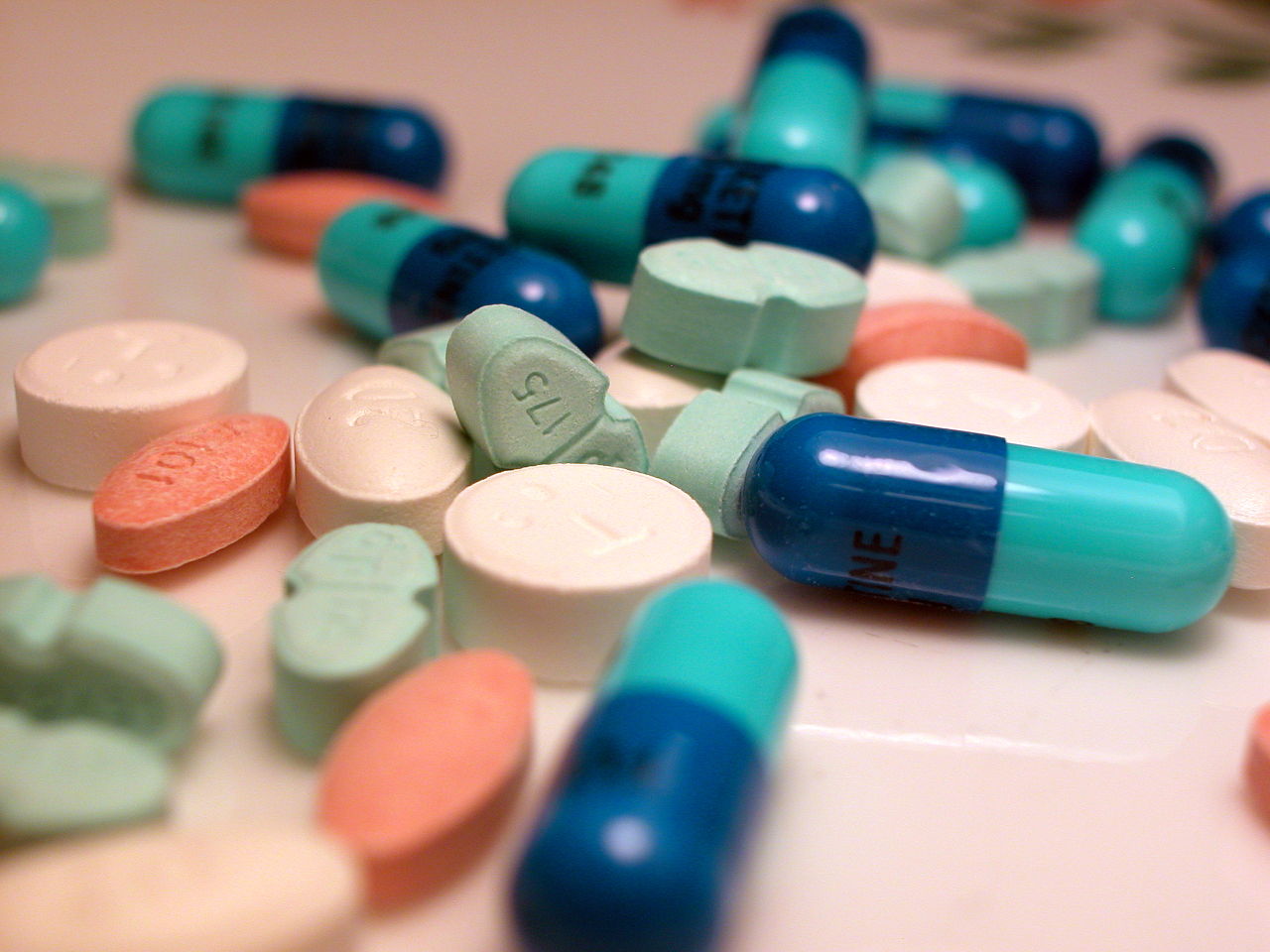
Types and common forms
Medicines are commonly classified by availability, chemical class or therapeutic use. Two broad legal categories are:
- Over-the-counter (OTC): available without a doctor's note and generally safe for self-care when used as directed. They relieve pain, fever, allergic symptoms, and minor complaints; they can be purchased directly from pharmacies or stores (OTC information).
- Prescription: supplied only with a clinician's authorization because they require supervision for safety, dosing, or monitoring. The document that allows dispensing is a prescription.
Medicines also appear in many forms: tablets, capsules, liquids, topical creams, inhalers, injections and implants. They may be branded or generic; generic drugs have the same active ingredients and are interchangeable in most settings.
How medications work
At a basic level, medicines act by interacting with biological targets such as enzymes, receptors or cell membranes to restore balance, block harmful processes, or supply missing compounds. For example, antibiotics interfere with bacterial growth, while antihypertensives alter blood-vessel tone. Effectiveness and safety depend on dose, route of administration and individual factors such as age, kidney or liver function.
Uses, examples and importance
Medications are used across health care to:
- Treat acute conditions (e.g., antibiotics for some infections)
- Manage chronic diseases (e.g., insulin for diabetes, inhalers for asthma)
- Prevent illness (e.g., vaccines and prophylactic medicines)
- Relieve symptoms (e.g., analgesics for pain)
Patients and clinicians choose medicines based on efficacy, side-effect profile, interactions and cost. Medicines play a central role in public health but must be used responsibly to avoid problems such as antimicrobial resistance.
Regulation, safety and proper use
Medicinal products are evaluated through research and regulated to ensure quality, safety and efficacy. Approval processes commonly require clinical trials and ongoing post-marketing surveillance. Key safety practices include following prescribed dosing, reading labels, checking for interactions, storing drugs correctly and disposing of unused medicines safely. Self-medication carries risks; when in doubt, consult a health professional or refer to reliable resources about the condition (disease overview).
Notable distinctions: prescription vs OTC, brand-name vs generic, and controlled substances that are restricted because of potential for misuse. Understanding these categories helps individuals and clinicians make informed choices about therapy and safety.
Questions and answers
Q: What is medication?
A: Medication is the use of legal drugs to treat or cure an illness.
Q: What are over-the-counter drugs?
A: Over-the-counter drugs are drugs that are freely sold without needing any permission from a doctor.
Q: What are prescription drugs?
A: Prescription drugs are drugs that are so powerful or dangerous that a doctor must give permission to use them. A note from the doctor is called a "prescription."
Q: What is another name for prescription drugs?
A: Prescription drugs are also known as prescription medicines or prescription-only medicines (POM).
Q: Can anyone buy prescription drugs over-the-counter?
A: No, prescription drugs cannot be bought over-the-counter. A doctor must give the patient permission to use them through a prescription note.
Q: Why are prescription drugs considered more powerful than over-the-counter drugs?
A: Prescription drugs are considered more powerful than over-the-counter drugs because they are either too dangerous or too potent for the general public to use without a doctor's supervision.
Q: Are all medicines considered drugs?
A: Yes, all medicines are considered drugs as they are used to treat or cure an illness.
Related articles
Author
AlegsaOnline.com Medication: uses, types, safety, and regulation Leandro Alegsa
URL: https://en.alegsaonline.com/art/63423
Sources
- merriam-webster.com : "Dosage"
- newworldencyclopedia.org : "Acetaminophen"
- nlm.nih.gov : "Acetaminophen"
- mw4.m-w.com : "Indication - Medical Definition and More from Merriam-Webster"
- merckmanuals.com : "Overview of Generic Drugs and Drug Naming"
- fda.gov : "Routes of Administration"
- merckmanuals.com : "Drug Absorption"
- doctors.net.uk : "Pros and cons of different routes of drug administration"
- professionals.ufhealth.org : "Three Routes of Acetaminophen: Three Ways to Achieve the Same Result"