
Therapsids and the Outdated Phrase “Mammal-like Reptile”
Explanation of the historic term “mammal-like reptile”, the synapsid group therapsids, their features, evolutionary position, and why the phrase is misleading.
The phrase "mammal-like reptile" was once widely used in paleontology to describe therapsids, a major group of synapsid amniotes that show many adaptations leading toward true mammals. Today the label is considered misleading and largely abandoned because it suggests an ancestry from reptiles rather than a shared origin from early amniotes. For a concise overview of the group see therapsids.
Image gallery
10 Images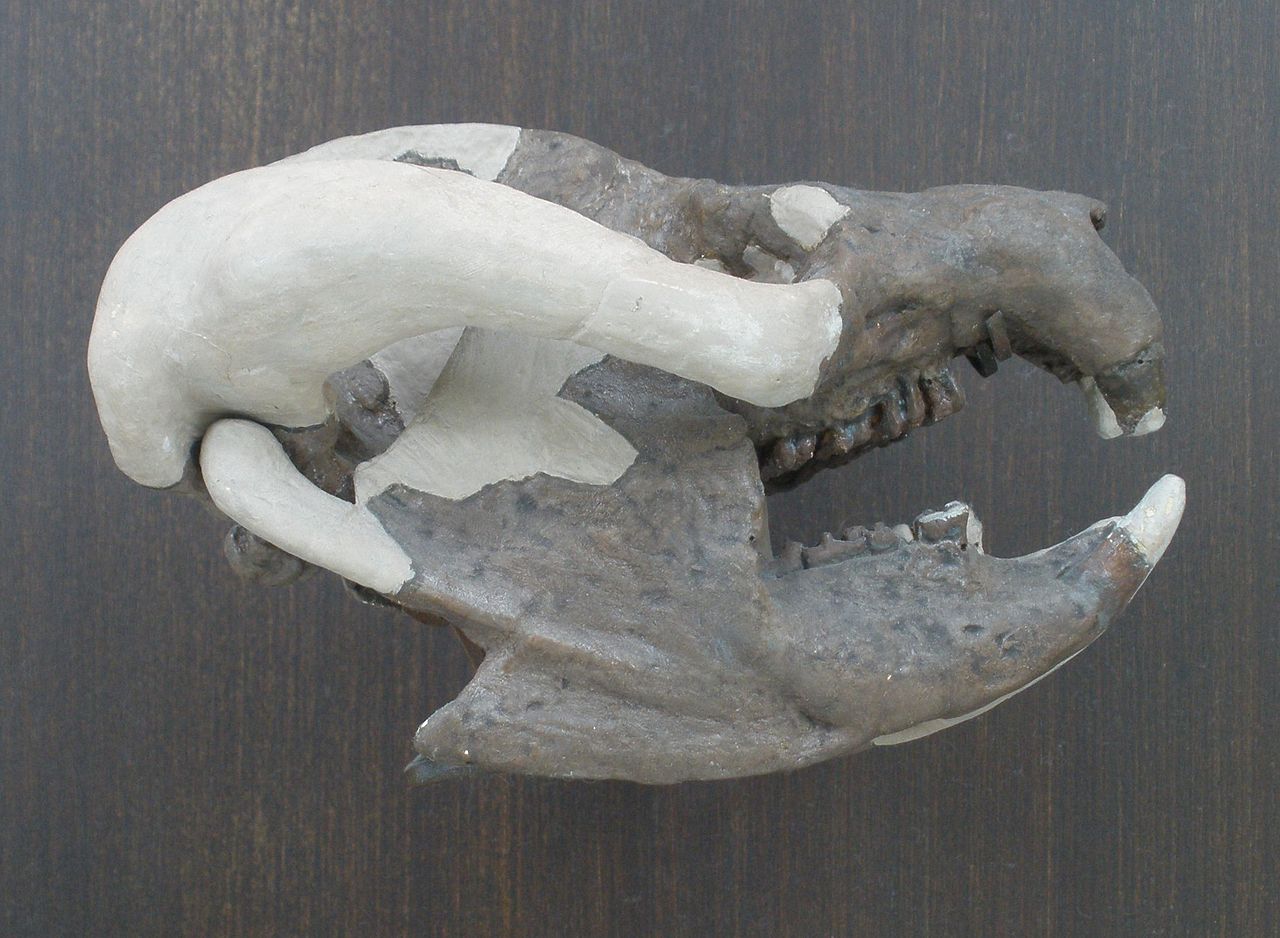
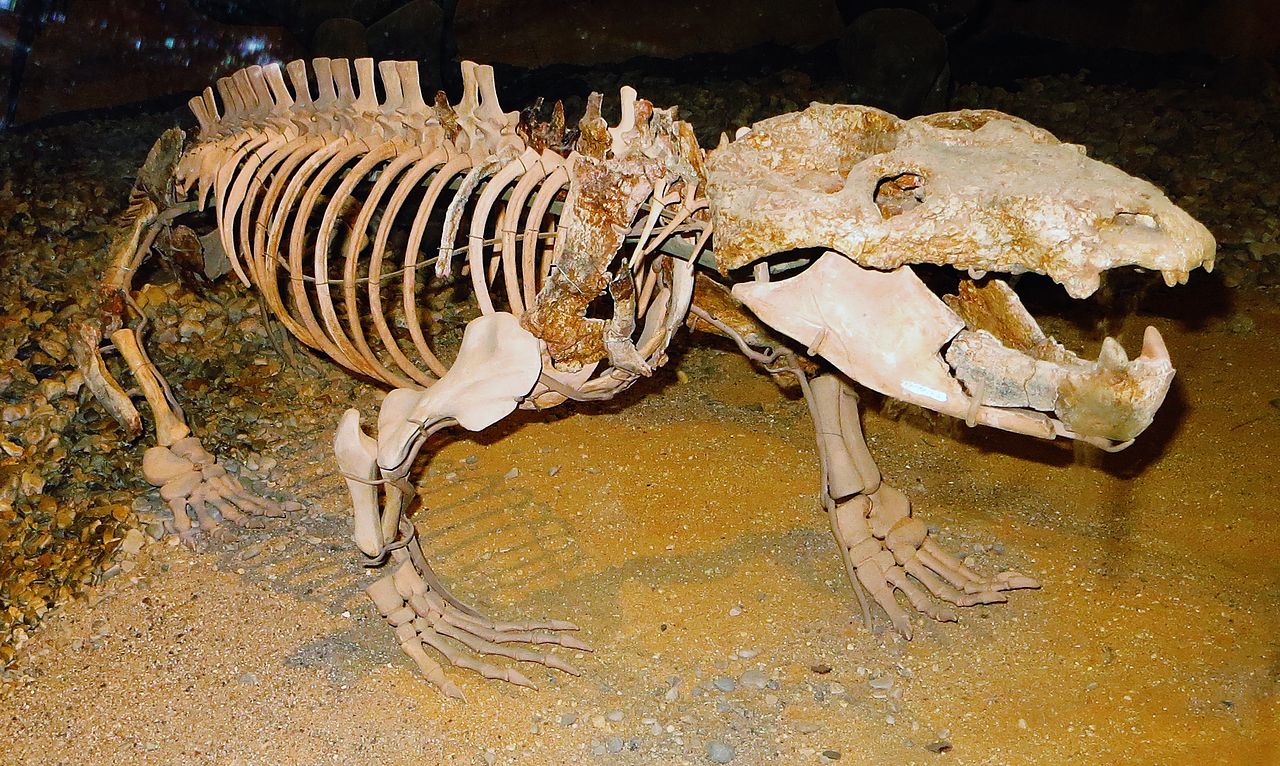





What the terms mean
Amniotes split early in tetrapod evolution into two principal lineages: the sauropsids (the ancestors of modern reptiles and birds) and the synapsids (the ancestors of mammals). Calling some synapsids "reptiles" obscures this branching. For distinctions among higher groups consult resources on amniotes and sauropsids.
Key characteristics of therapsids
- Skull and jaw changes: simplified jaw joint and gradual reduction of certain jaw bones that in mammals become part of the middle ear.
- Teeth differentiation: the earliest signs of incisors, canines, and post-canines that allowed varied diets.
- Posture and limb placement: limbs shifted beneath the body in many forms, improving locomotion compared with sprawling ancestors.
- Metabolic trends: evidence suggests some therapsids had higher metabolic rates and possible hair or fur in later lineages (inferred from bone and fossil evidence).
History and evolutionary context
Synapsids and sauropsids diverged from common amniote ancestors in the Carboniferous period. Therapsids flourished in the Permian and diversified into several subgroups, including the cynodonts, which are the immediate ancestors of true mammals. Important evolutionary transitions from basal synapsids through therapsids to mammals illustrate how complex mammalian traits accumulated gradually rather than appearing suddenly.
Why the old phrase is misleading
Calling therapsids "mammal-like reptiles" implies that mammals descended from reptiles, which is incorrect. Both mammals and modern reptiles share a more distant common ancestor. More accurate terms are synapsids or cynodonts for the mammal lineage. For clarification of the non-reptilian ancestry see reptile (discussion of modern clades) and general synapsid overviews at egg-laying tetrapods.
Significance and examples
Studying therapsids illuminates the stepwise acquisition of mammalian features such as endothermy, complex teeth, and auditory specialization. Transitional fossils and well-preserved specimens from Permian and Triassic deposits remain central evidence in evolutionary biology and paleontology; for further reading consult summaries at Carboniferous and curated collections or educational sites at cynodont and sauropsid pages.
Because the phrase "mammal-like reptile" persists in older literature and some public discourse, modern writing favors terms that reflect evolutionary relationships without implying direct descent of mammals from reptiles.
Questions and answers
Q: What is a mammal-like reptile?
A: A mammal-like reptile is an outdated term for therapsids, which are synapsids that gave rise to true mammals.
Q: Did mammals evolve from reptiles?
A: No, mammals did not evolve from reptiles. Both groups descended from early amniotes.
Q: What are sauropsids?
A: Sauropsids are the precursors of reptiles.
Q: What are synapsids?
A: Synapsids are the precursors of mammals.
Q: Which group of therapsids gave rise to mammals?
A: The immediate ancestors of mammals came from a group of therapsids called the cynodonts.
Q: Why is the term "mammal-like reptile" considered a mistake?
A: The term "mammal-like reptile" is considered a mistake because mammals did not descend from reptiles.
Q: When did the precursors of reptiles and mammals likely evolve?
A: The precursors of reptiles and mammals likely evolved in the Lower or Middle Carboniferous.
Related articles
Author
AlegsaOnline.com Therapsids and the Outdated Phrase “Mammal-like Reptile” Leandro Alegsa
URL: https://en.alegsaonline.com/art/61127
Sources
- books.google.com : Mammal-like reptile