
The Sound of Music (1965 film)
1965 American musical film directed by Robert Wise, starring Julie Andrews and Christopher Plummer; adapted from the Rodgers and Hammerstein stage show and based on the von Trapp family story.
Overview
The Sound of Music is a 1965 American musical film directed by Robert Wise. It stars Julie Andrews as Maria and Christopher Plummer as Captain Georg von Trapp. The screenplay adapts the successful Broadway musical version of The Sound of Music, itself drawn from Maria von Trapp's memoir about her family's singing career and later escape from Austria. The motion picture combines a dramatic family story with a sequence of memorable songs by Richard Rodgers and Oscar Hammerstein II.
Image gallery
9 Images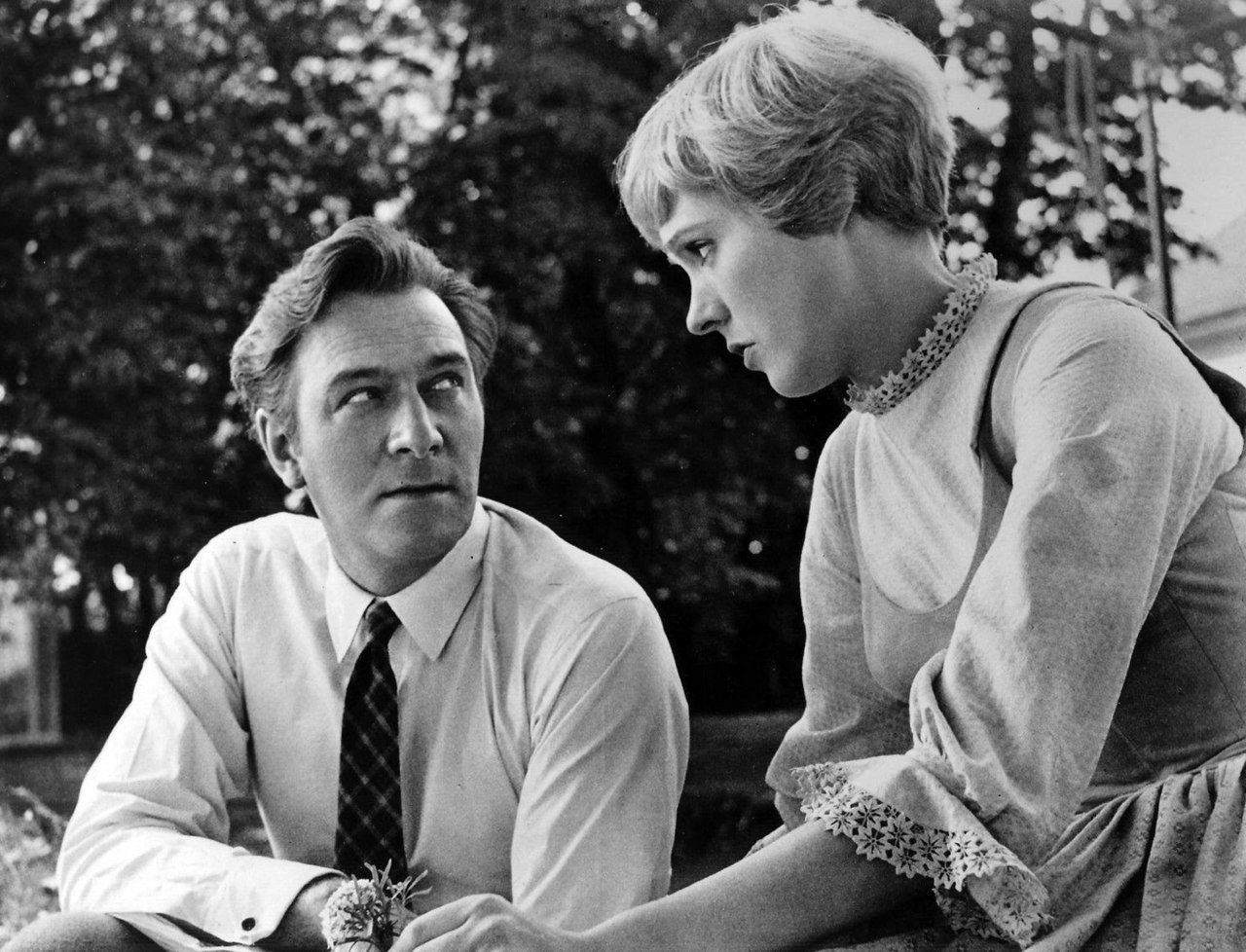




Plot and principal characters
The film follows a young postulant who leaves her convent to serve as a governess for the seven children of a widowed naval officer, Captain von Trapp. Maria brings music, playfulness, and warmth into a strict household, creating bonds with the children and challenging the captain's authoritarian ways. The personal storyline unfolds against the rising political tension in Austria in the late 1930s, which becomes part of the family's circumstances without turning the film into a straightforward historical account.
Music and notable numbers
Music is central to the film's identity. Rodgers and Hammerstein's score supplies songs that range from playful to inspirational. Several numbers became standards beyond the film and the stage show and remain widely recognized in popular culture.
- "The Sound of Music" (title song)
- "Do-Re-Mi"
- "My Favorite Things"
- "Climb Ev'ry Mountain"
- "Edelweiss"
- "Sixteen Going on Seventeen"
Production and locations
Much of the film's photographed beauty comes from on-location shooting. Key sequences were filmed around Salzburg and other parts of Austria, as well as locations in the state of Bavaria in Germany. Interior scenes and controlled sequences were completed at the 20th Century Fox studios in California. The combination of studio craft and Alpine landscapes contributes to the film's cinematic charm and enduring visual identity.
Reception, awards and records
Upon release the film enjoyed tremendous popular success. It won five Academy Awards, including Best Picture, and helped introduce Rodgers and Hammerstein's music to a wider moviegoing public. For a time the film displaced Gone with the Wind as the highest-grossing film of all time. The original cast album was also recognized by the music industry with a nomination for a Grammy Award for Album of the Year. In 2001 the film was selected for preservation in the National Film Registry by the Library of Congress as culturally, historically, or aesthetically significant.
Legacy and cultural impact
The Sound of Music remains a touchstone in musical cinema. Its songs are frequently performed, quoted, and recorded; family-friendly themes and picturesque settings sustain regular television broadcasts and stage revivals. The film has also had an effect on tourism: Salzburg and nearby locations are associated in the public imagination with scenes from the movie, and visitors often seek out sites connected with the production. While modern viewers sometimes debate historical accuracy or interpretive choices, the film's influence on popular perceptions of musical storytelling and postwar cinema is widely acknowledged.
For further reading and archival material, consult historical and musical references that explore the original memoir, the Rodgers and Hammerstein partnership, the Broadway adaptation, and the film's production history: stage musical, source material, and biographies of Rodgers and Hammerstein provide deeper context.
Related articles
Author
AlegsaOnline.com The Sound of Music (1965 film) Leandro Alegsa
URL: https://en.alegsaonline.com/art/98876
Sources
- tcm.com : "The Sound of Music (1965): Original Print Information" · web.archive.org
- the-numbers.com : "The Sound of Music"