
Widow
A widow is a woman whose spouse has died. The article explains the social, emotional, cultural, legal, and historical aspects of widowhood and distinguishes related terms.
Overview
A widow is a woman whose husband has died; the male equivalent is called a widower. Widowhood describes both the legal status of having lost a spouse and the life phase that follows the death. It typically brings emotional grief, practical changes in household roles, and altered social identity. The term can apply immediately after the spouse’s death and persist for the remainder of the surviving partner’s life unless they remarry.
Image gallery
6 Images


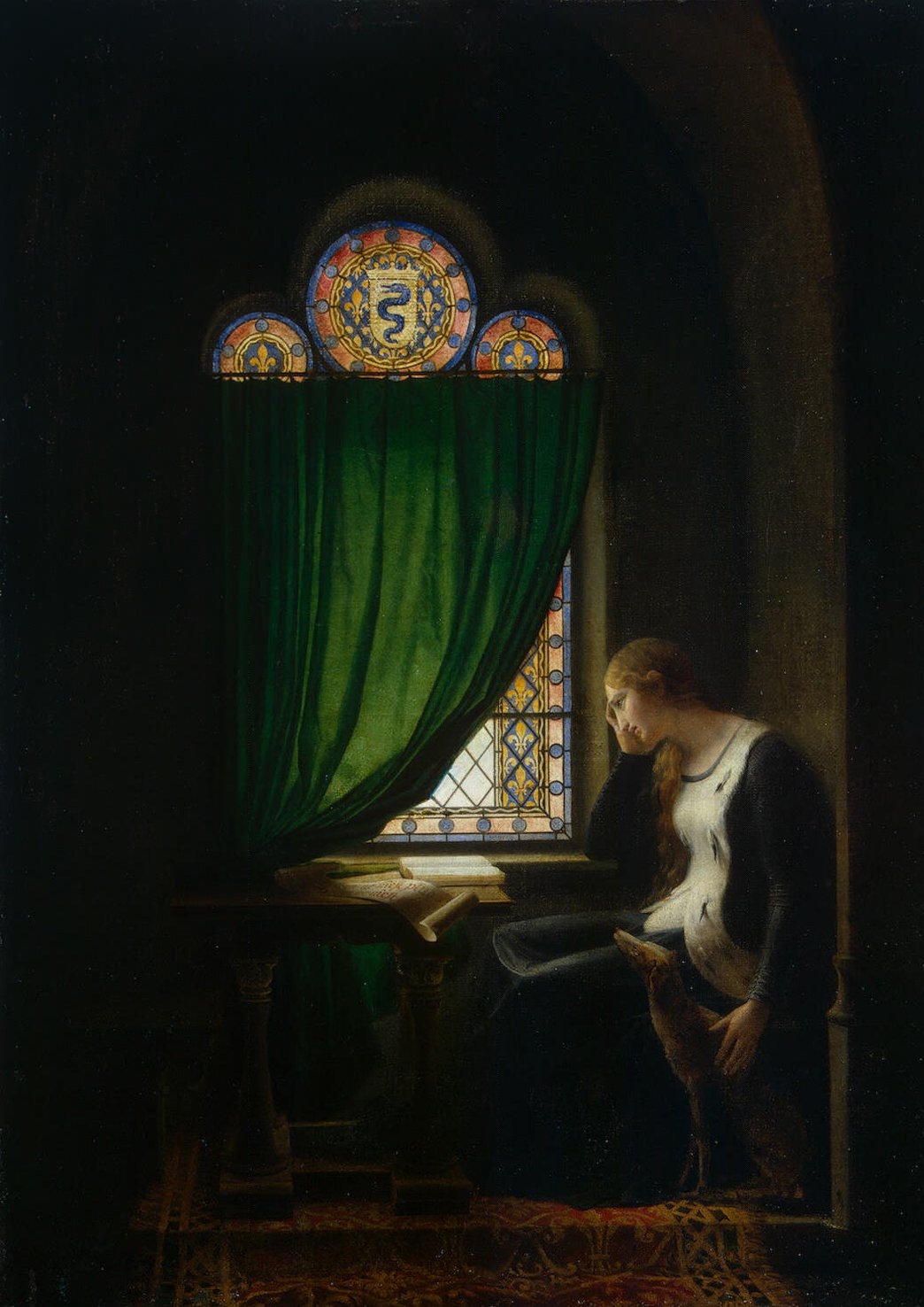
Characteristics and effects
Becoming a widow often triggers a complex mix of bereavement, adjustment and new responsibilities. Emotional reactions may include shock, sadness, guilt or relief depending on circumstances. Practical consequences commonly involve managing finances, property or child care alone and navigating administrative tasks such as notifying institutions and claiming survivor benefits. Social effects vary: some widows gain sympathy and support, while others can experience isolation or stigma.
Cultural practices and history
Different societies have long-established customs around widowhood. Mourning rites, prescribed periods of mourning dress, and public displays of bereavement have been found in many cultures. In some historical contexts widows faced strict restrictions on remarriage or inheritance; in others they held respected roles as heads of households or community elders. Attitudes and rituals have changed over time with legal reform, changing gender roles and religious practice.
Legal and economic aspects
Legal status affects widows’ rights to inheritance, joint property, pensions and survivor benefits. Public and private systems may provide social security payments, life insurance proceeds or workplace survivor benefits that help with financial stability. Where laws are weak or discriminatory, widows may encounter loss of land, limited custody rights or economic vulnerability; many advocacy groups work to secure legal protections and financial inclusion.
Contemporary trends and support
Today, patterns of widowhood reflect demographic shifts, such as differences in life expectancy between men and women, later marriage ages, and changing family structures. Remarriage rates, social support networks and the availability of bereavement counseling shape outcomes for widows. Support can come from family, community groups, religious institutions and specialized services offering legal advice, financial planning and grief counseling.
Terminology and notable distinctions
- Widow — a woman whose spouse has died.
- Widower — a man whose spouse has died.
- Widowhood — the state or condition of being a widow.
- Surviving spouse — gender-neutral term used in law and policy.
Widowhood is at once a personal experience of loss and a social status shaped by law, custom and economic circumstance. Understanding its many dimensions helps inform compassionate care, fair policy and community support.
Related articles
Author
AlegsaOnline.com Widow Leandro Alegsa
URL: https://en.alegsaonline.com/art/107964